
Introduction
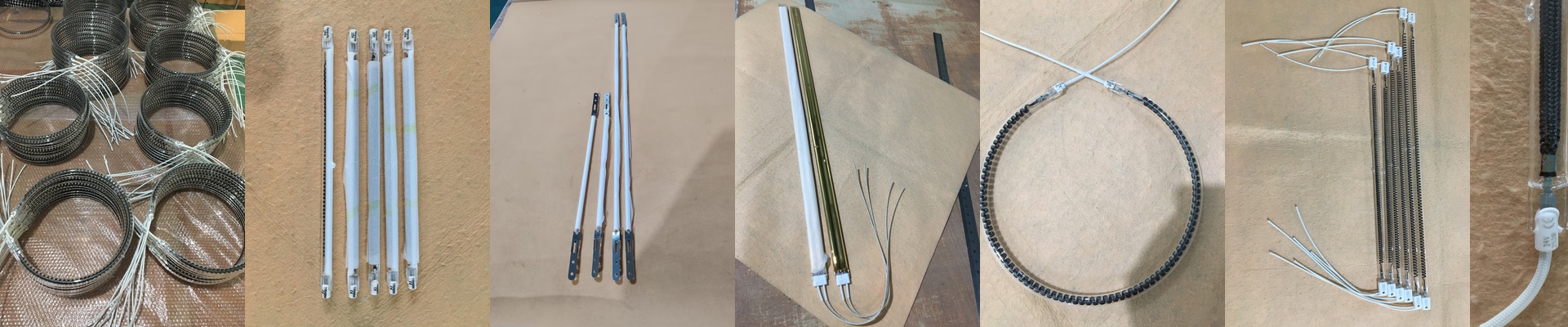
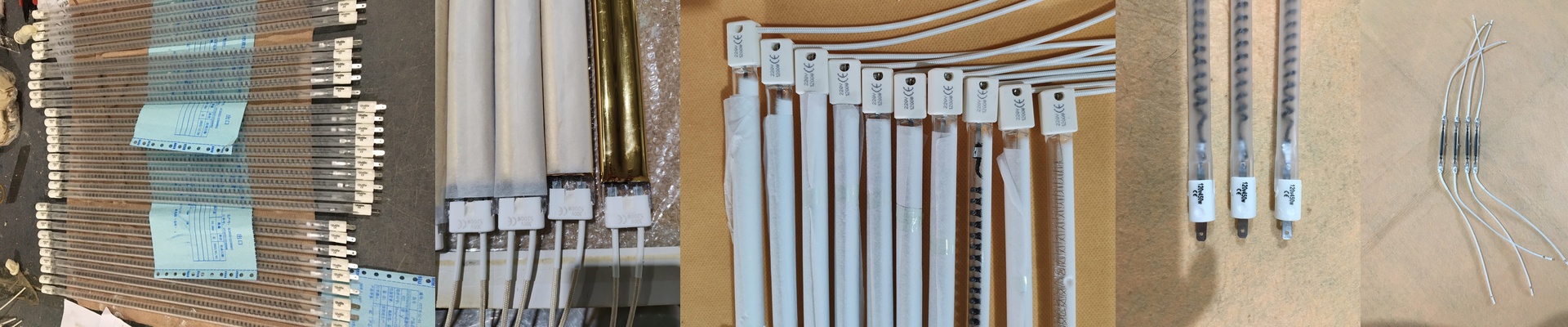
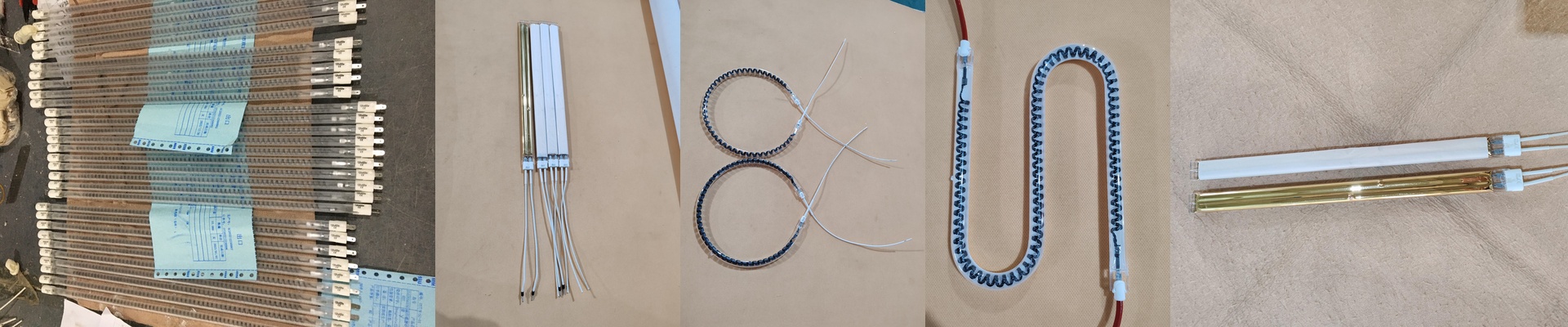
Picture this: you need heat, and you need it now. Not the kind that slowly warms up a room, but a focused, intense blast that hits your target and nothing else. That’s exactly what our carbon heat tubes are built for. They’re not your run-of-the-mill heater. They’re a specialized tool, designed to pack a serious punch of heat into a tiny space. When your process depends on hitting temperature fast and staying rock-solid, this tube is where you start.
The Nitty-Gritty: Power, Voltage, and Shape
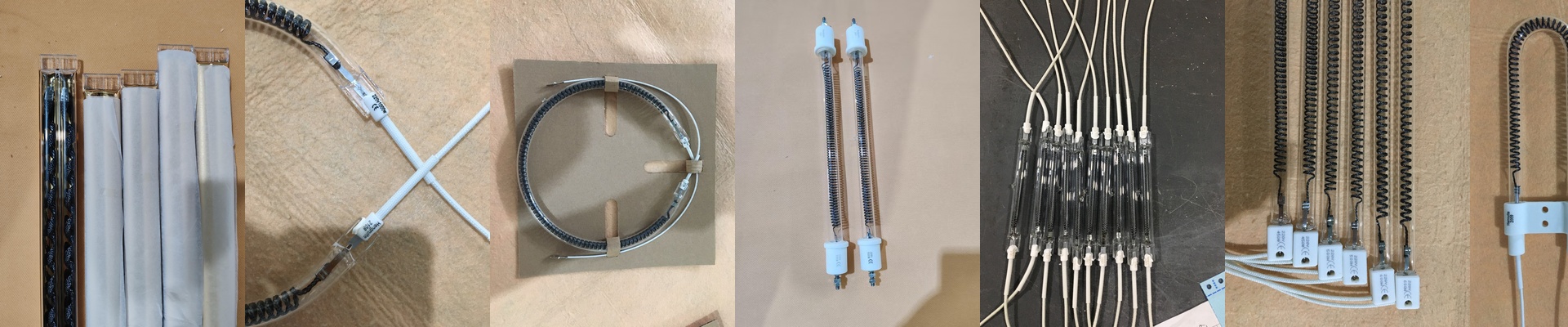
Here’s the secret behind the power. We design these tubes to run at high voltage—we’re talking around 400V. Why? Because that keeps the current lower for the same amount of wattage. And that’s a good thing. Lower current means you can use smaller wiring, and you don’t have to worry about your connections getting hot to the touch. It keeps everything running cooler and cleaner. We concentrate all that power into a short emitting length, maybe just 300mm. The result? A massive amount of heat density. The whole point is to deliver serious energy in a very small footprint. But, and there’s always a “but,” that kind of power comes with a trade-off. The quartz tube and the terminals are under a lot of thermal stress. The surrounding equipment is going to feel that radiant heat, too. So you need to plan for proper airflow and shielding. If you don’t, you’re just asking for your machine to overheat.
The Build: Halogen, Quartz, and the R7s Connection
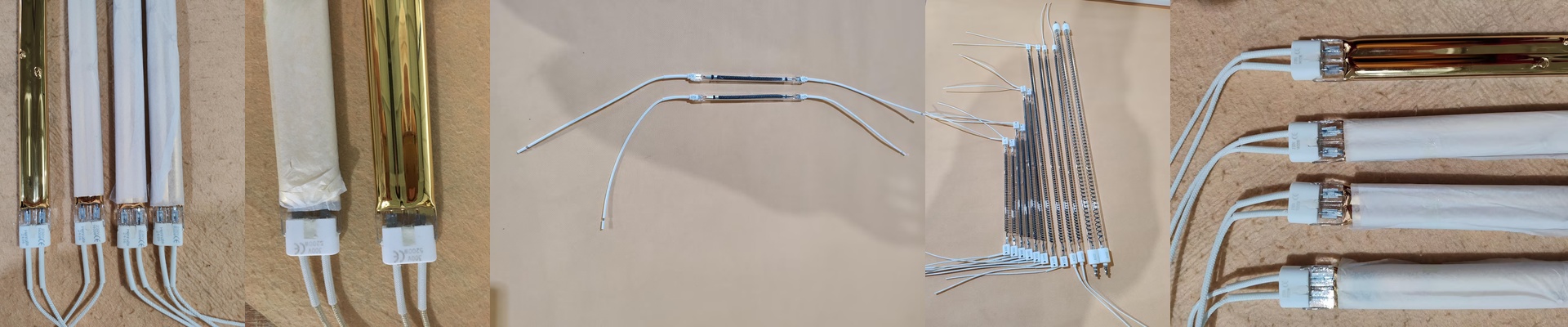
Inside, the tube uses a halogen cycle within a quartz envelope. It’s a clever little system that keeps the filament stable by putting evaporated material right back where it belongs. The payoff? You get consistent heat output for longer, and the tube stays clearer, with way less blackening. And the quartz itself is a workhorse. It’s built to handle the shock of rapid heating and cooling, which is exactly what happens when you’re switching the heater on and off all day long. For the connections, we use an R7s base. It’s a double-ended, straight-pin design that clicks securely into ceramic sockets. This isn’t just for show. It gives you a rock-solid connection that stays put, even when the machine is vibrating and parts are expanding with heat. Plus, when it’s time for a replacement, it’s a simple drop-in swap. No fuss, no messing around.
Where It Shines: Real-World Applications
This setup is a workhorse in places like PET blowing. You need to heat those preforms fast, and only where it counts. The carbon heat tube blasts them with infrared energy that gets right to the core of the material, cutting down cycle time and making the whole process more repeatable. It’s the same story with coating curing and drying lines. There’s no time to wait around for a long warm-up. You need heat on demand, and that’s what you get. In practice, you get a heater that turns on instantly, holds its temperature steady, and fits into the tightest corners of your machine. Now, you do need to respect the power. The higher the wattage and voltage, the more you have to pay attention to clearances, terminal temps, and cooling. Just make sure your control gear is sized right to the actual spec sheet, not some optimistic label. Do that, and this tube will run reliably, day after day.