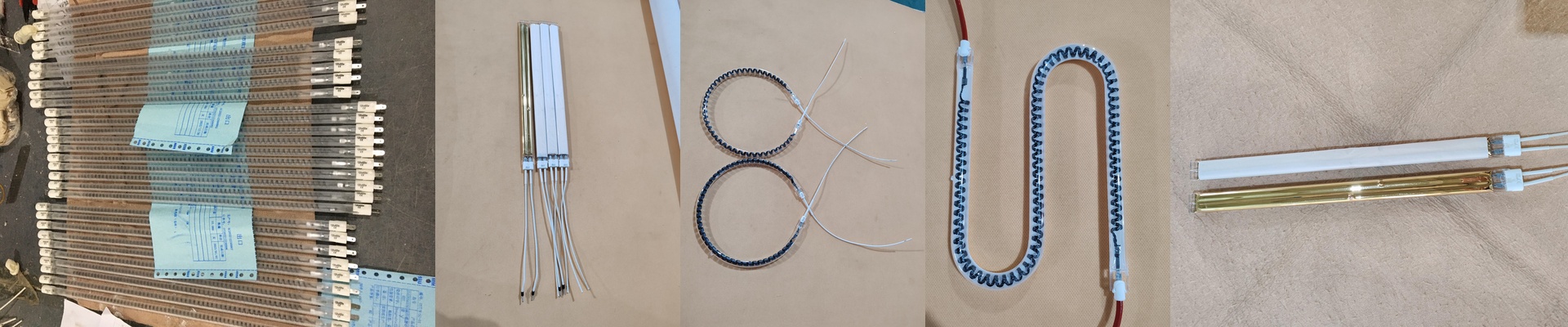
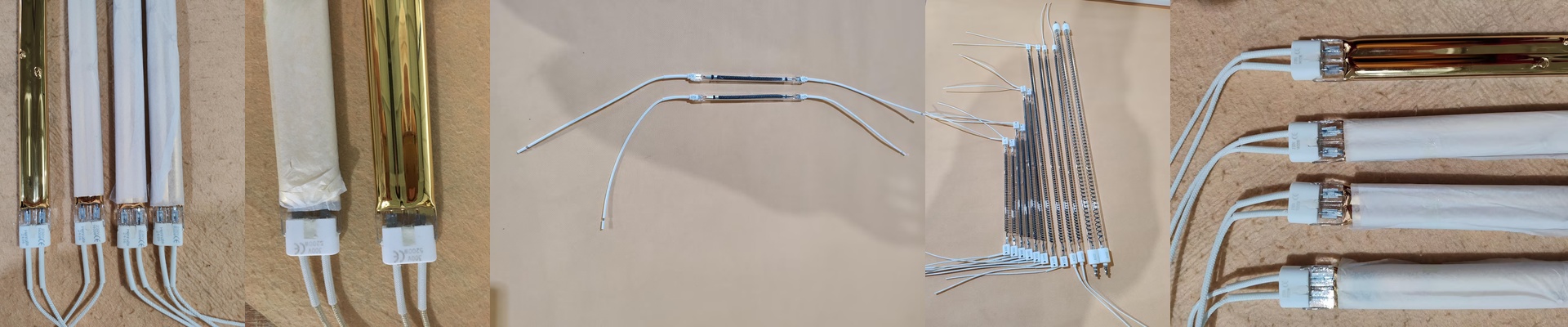
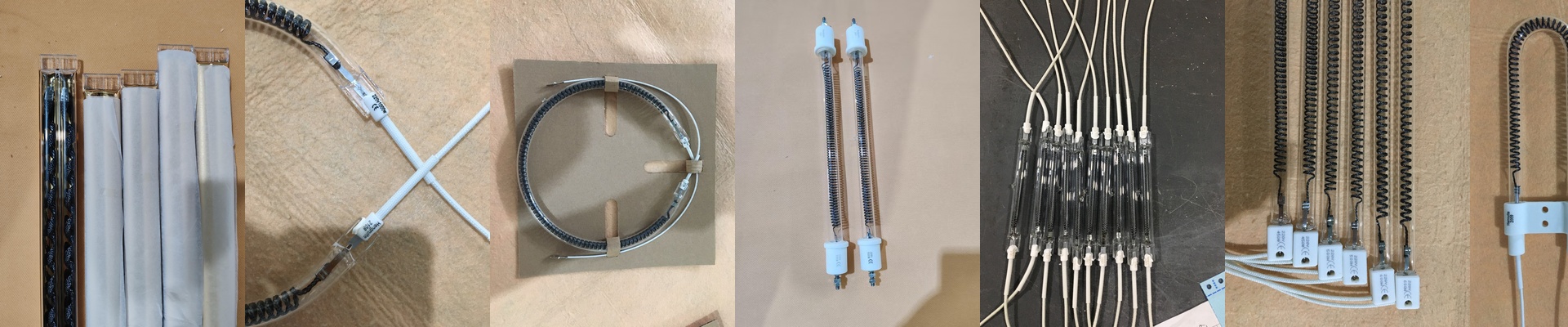
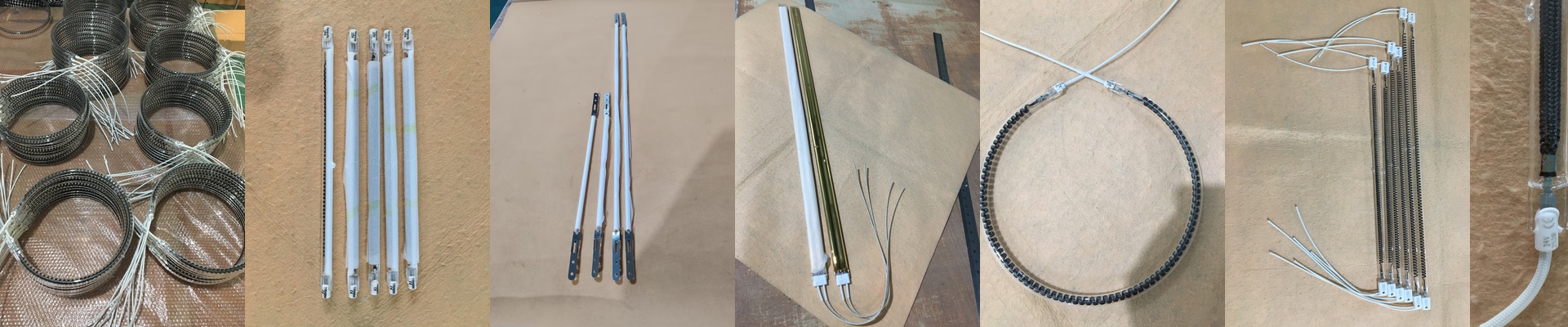
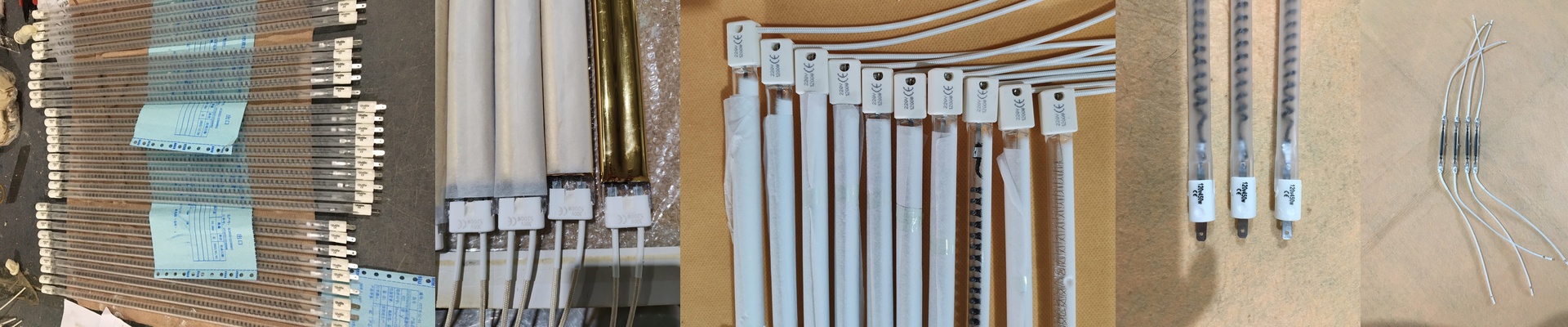

The Carbon Quartz Halogen Heating Tube: Built for One Thing—Fast, Dependable Heat
Let’s cut through the noise. We built the Carbon Quartz Halogen Heating Tube for industrial machines that can’t afford to wait around for heat. This isn’t some everyday bulb. It’s a focused heating element, designed to give you predictable temperature control when your machine absolutely has to keep running.
Power, Voltage, Size—Tailored for the Job
It runs at 400V and 2500W, because that’s what it takes to pack serious heating punch into a tight spot. Plug it into a stable 400V supply, and the temperature ramps up fast. No waiting. And the footprint? Just 300mm long by 10mm wide. That means it slips into cramped zones without forcing you to redesign the whole heat chamber. But here’s the catch—all that power in a small space means you’ve got to plan for cooling. If your surrounding equipment can’t shed that heat, things run hotter than they should, and the whole system suffers.
What’s Inside, and Why It Matters
The quartz envelope stays solid, even when you’re cycling through intense heat over and over. Inside, the halogen gas helps keep the filament stable and fights the kind of blackening that would dim the output over time. We added a carbon-based coating to spread the heat more evenly, so you get consistent warmth right where you need it. And the R7s connector? It’s a practical, industrial-grade choice. It locks in solid, carries the current safely, and makes replacement a straight swap on machines already set up for it.
Where This Tube Shines
This thing was born for industrial heating jobs that demand consistent, pinpoint heat. Think plastic processing, sealing, and any equipment where you need the temperature to respond quickly—and respond the same way, every single time. The 400V, 2500W power, packed into that compact 300x10mm shape, gives you the heat density you need to keep cycle times tight. It’s tough enough to handle the daily grind of factory life, and the installation stays simple because the connector and dimensions line up with standard setups. Just remember—when you pack this much power into a short tube, your machine’s thermal management has to be on point. Plan it right, and this tube just gets the job done.