Getting the Heat Right: The Trick to Curing Carbon Fiber Tubes
If you’ve ever tried to make carbon fiber tubes, you know the whole thing comes down to one thing: heat. You need it to be just right to get that resin to bond, but it’s a delicate balance. If you’re off by a bit, you’re looking at a ruined part. We spend a lot of time making sure the tube hits its glass transition temperature (Tg) perfectly. No scorched skins, no cold spots hiding in the walls. Just a clean, solid cure.
The Battle Against Hot Spots
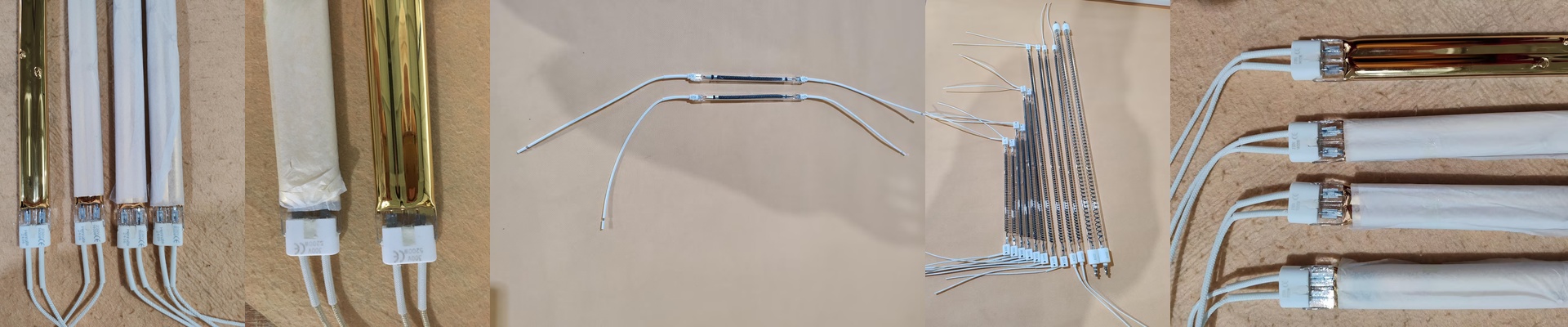
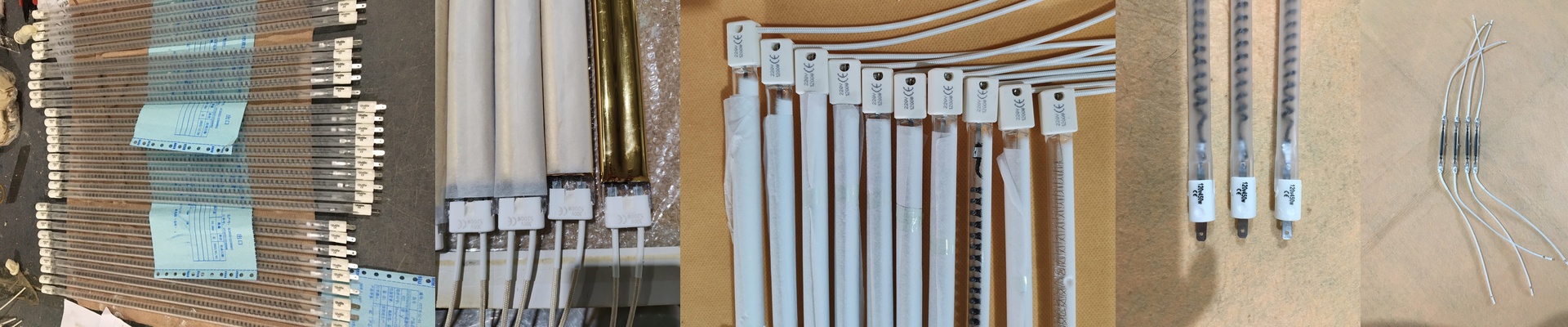
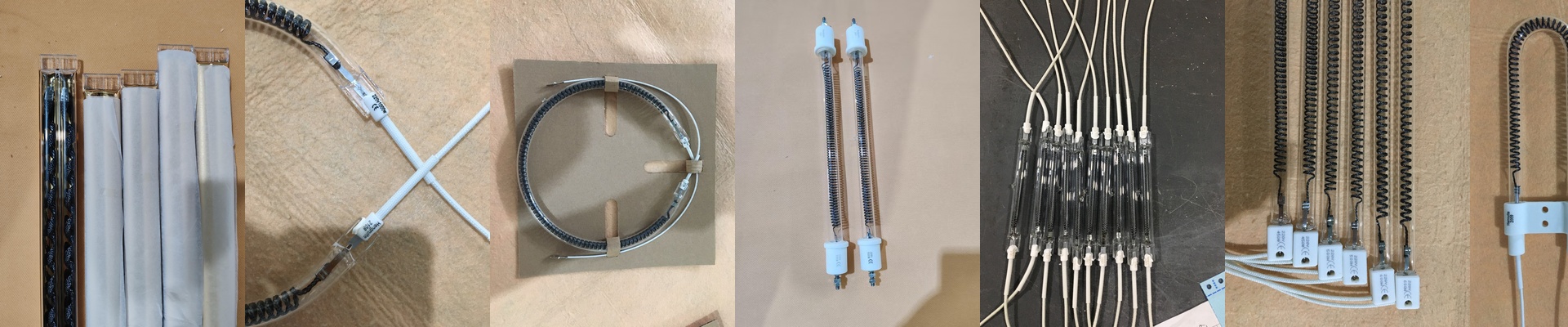
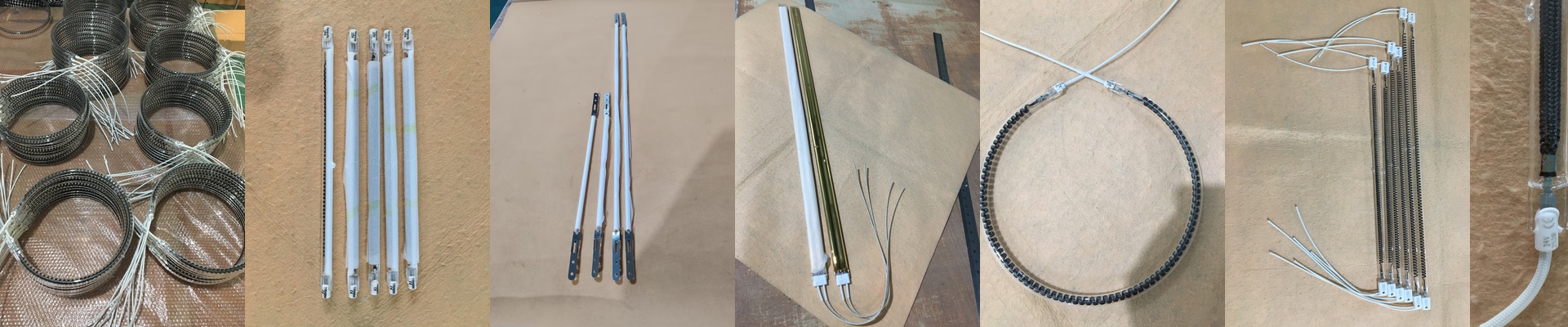
Here’s the thing: you need the heat to hit every single millimeter of the tube’s circumference at the same time. We usually go with infrared arrays or resistive heating elements wrapped tight around the piece. But be careful with your wattage. If you crank it too high for a thin tube, you’ll fry the outer layer of resin while the core is still basically raw. It’s all about balancing how much power you’re pumping in against how fast the material can actually move that heat.
The Gear That Actually Works
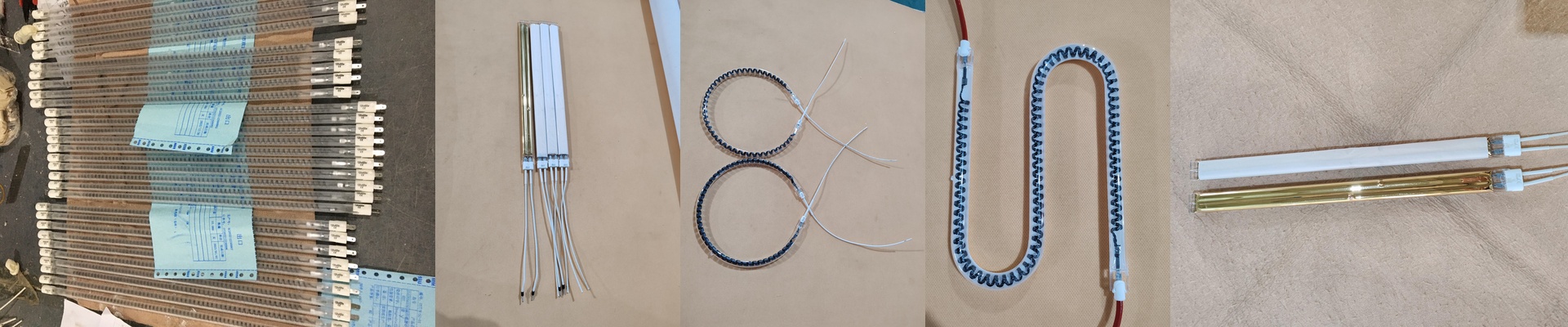
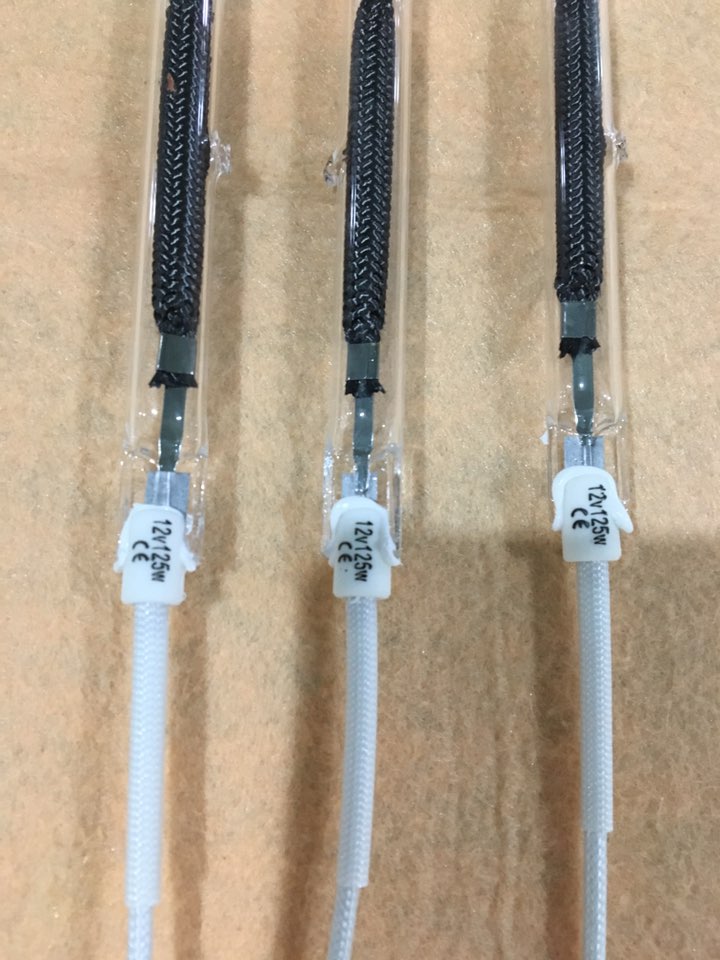
We stick to quartz or ceramic elements. Why? Because they don’t contaminate the material. The heating zone also has to be a perfect match for the tube’s length. If it’s off, you get “tapered curing,” and that’s a nightmare for consistency. For the big production runs, we use PID controllers and put thermocouples right on the mandrel. It keeps the temperature from spiking and saving you from a lot of wasted material. And don’t forget the resin itself. Once that chemical reaction kicks in, it starts generating its own heat. If your heaters don’t back off the second that happens, the part will overheat and warp right in front of you.
The Trade-offs (Because there’s always one)
Wiring this stuff up isn’t a joke. You need high-temp cabling, or you’ll just end up with melted insulation and a short circuit. We’ve found that a staged approach works best. Start with a slow ramp-up to let the resin stabilize, then let it soak. Sure, you could just blast it with high wattage to speed things up. But that’s where you run into trouble. Faster cycles often mean internal voids and residual stress. You’re basically trading structural integrity for speed. Plus, you’ve got to make sure your cooling system can handle the ambient heat in the oven. If not, your electronics are going to fry.