Carbon Fiber Infrared Heat Lamps: The Engineering Rationale for High-Output IR Heating
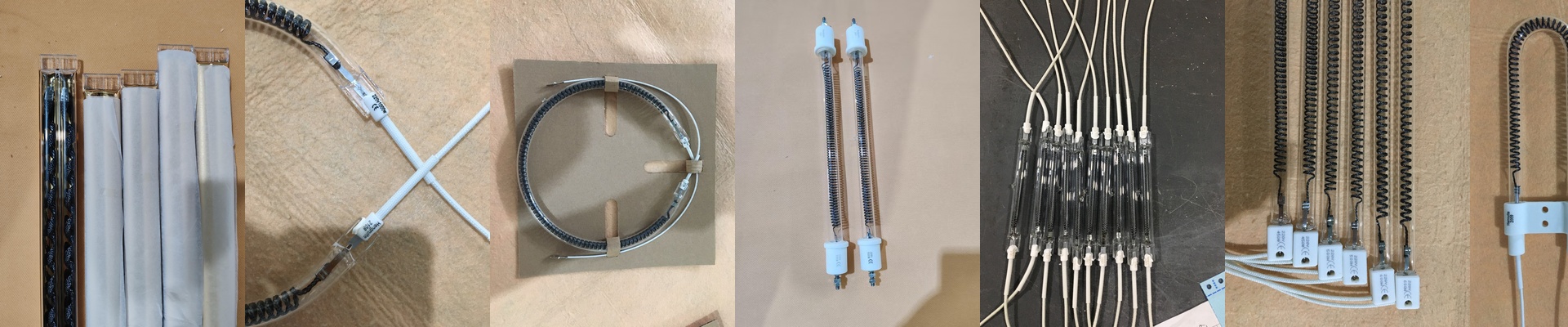
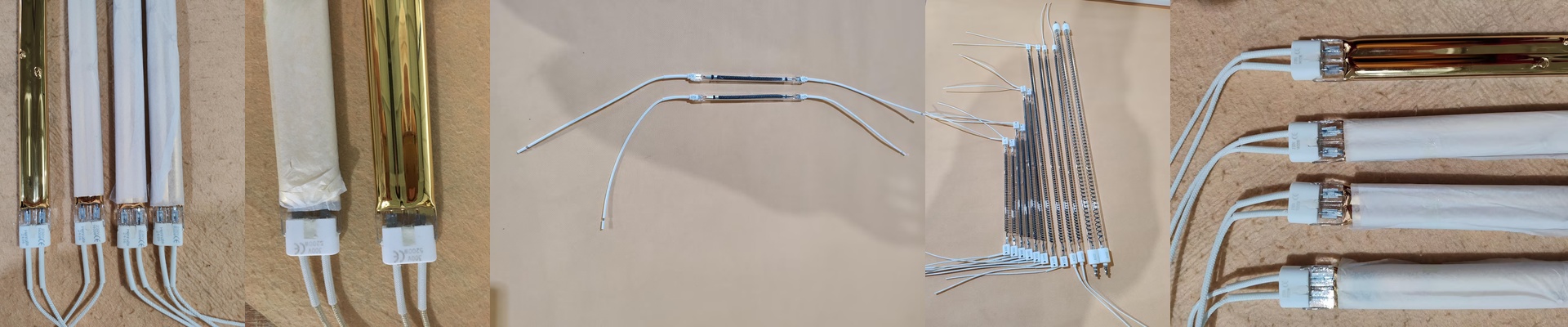
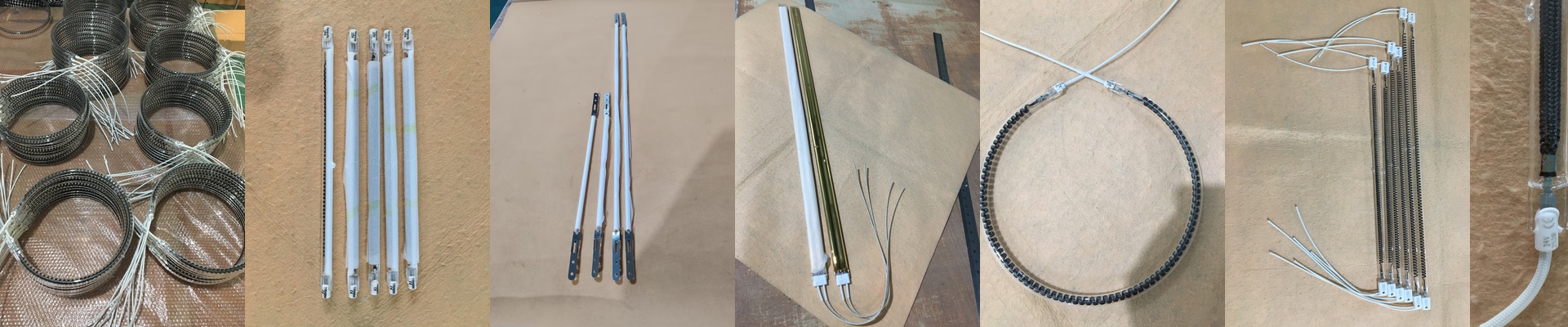
We engineer carbon fiber infrared (IR) heat lamps for industrial heating where fast response and high heat density are non-negotiable. These are not general-purpose bulbs. They are purpose-built emitters that deliver concentrated infrared energy for processes that need rapid temperature rise, precise control, and a compact thermal footprint.
Technical Deep-Dive: Power, Voltage, and Dimensions
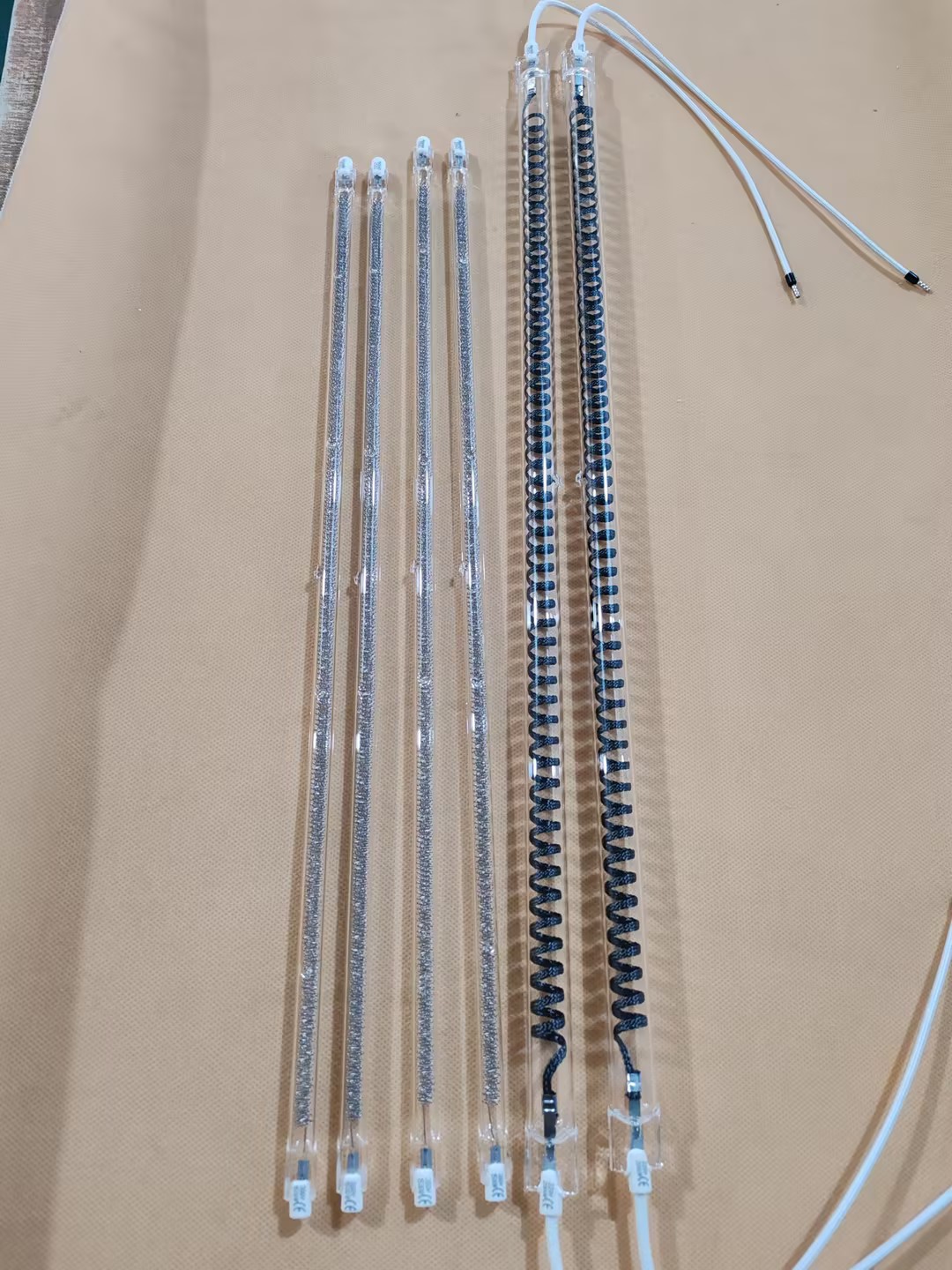
The core of these lamps is the carbon fiber filament, which is designed to run hot—typically in the shortwave IR band. That means you get near-instant heat-up and equally fast cool-down, which is ideal for cyclic operations. When you spec out a carbon fiber IR lamp, you are matching electrical input to thermal output and physical fit. Common industrial ratings target high power in a small envelope, because the goal is high watt density, not gentle warming. A typical configuration might run at 400V, which allows high power delivery over longer cable runs with lower current, reducing wire size and contact heating at the terminals. Wattage defines the heat load you can put into a defined area. Higher wattage gives you faster temperature ramp, but it also raises the demand on your machine’s thermal management. Length matters because it sets the emitting surface area. A 300mm tube, for example, concentrates the output into a defined zone, letting you focus heat where it is needed and keep the overall footprint tight. The trade-off is straightforward: more power means more heat density, which means your surroundings—reflectors, mounting hardware, and the driven material—must tolerate higher temperatures, and your control strategy must be tuned to prevent overshoot.
Material & Design: Filament, Quartz, Coating, and Connectors
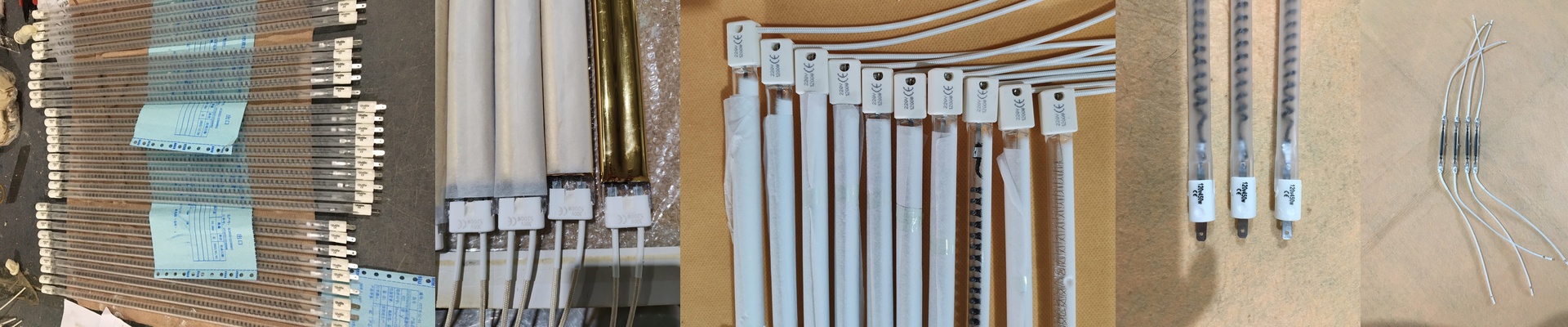
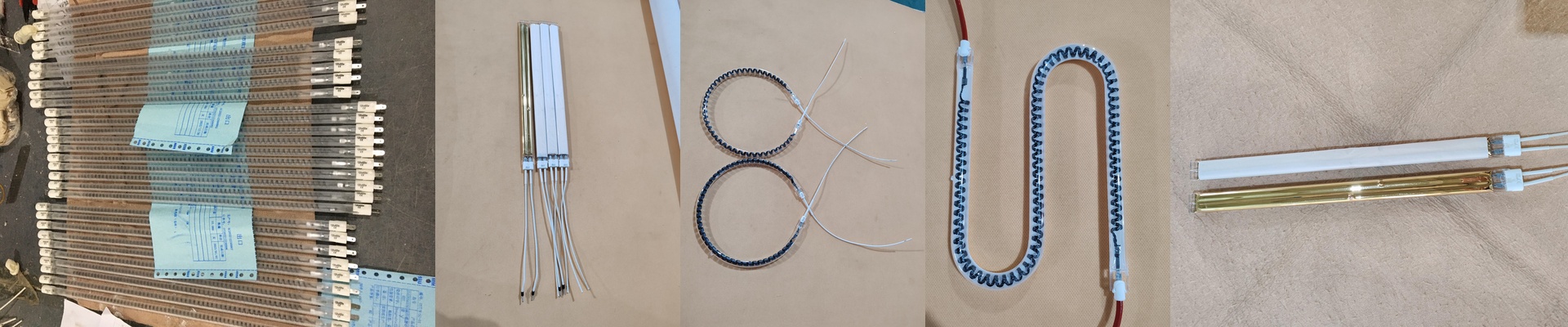
Carbon fiber filaments provide a key mechanical and thermal advantage over traditional tungsten wires: they are tough, flexible, and handle thermal cycling better. That translates into fewer thermal-stress failures when the lamp is switched on and off repeatedly. The filament sits inside a quartz envelope. Quartz is chosen because it stays stable at the high operating temperatures required for shortwave IR, and it transmits infrared efficiently. Depending on the application, the envelope can be coated or treated to shape the spectral output. A reflective coating, for instance, helps direct more IR energy forward, improving delivered intensity and reducing wasted heat into the mounting area. Connectors are not an afterthought. In industrial heat lamps, you often see R7s or similar double-ended bayonet-style fittings. These provide solid mechanical retention and repeatable electrical contact, which matters when the assembly is subject to vibration, thermal expansion, and frequent maintenance. The connector choice also standardizes lamp lengths and end-cap geometry, making the lamp a drop-in replacement in existing fixtures.
Application & Benefits: Why This Configuration Works
Carbon fiber IR lamps are commonly used where you need rapid, localized heating—think curing, drying, thermoforming, or heating surfaces that must reach temperature quickly without heating the entire machine. The shortwave IR profile delivers energy that is readily absorbed by many materials, enabling fast, repeatable cycles. From an engineering standpoint, the combination of high wattage, higher voltage operation, and compact tube length gives you two practical wins. First, it simplifies integration: you can fit significant heating capacity into a limited space. Second, it improves control: fast response means the system can track setpoints closely, which helps process consistency. Installation is straightforward. You wire it up to the rated voltage, ensure proper clearances for high temperatures, and pair it with appropriate reflectors and thermal shielding. Maintenance is also practical: the carbon filament resists burn-out under repeated cycling, but like any high-temperature component, it still needs protection from mechanical shock and contamination. One reality check: high-intensity IR lamps demand respect. They require robust thermal design—adequate ventilation, heat shielding, and safe terminal temperatures. When your machine is designed for it, a carbon fiber IR lamp delivers dependable, high-output heating that can be tuned to the process, not the other way around.