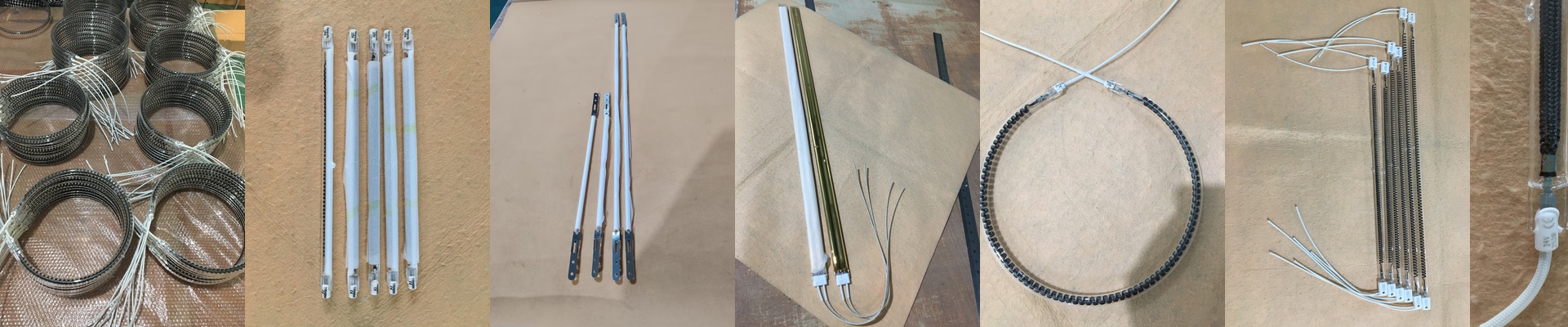

Let’s Talk About Carbon Fiber Heating Fabrics
Think of carbon fiber fabric as a giant, flexible heating element. Instead of relying on a thin wire that gets scorching hot in one spot, the carbon filaments themselves do the heavy lifting. This means the heat spreads out evenly across the whole surface. No more worrying about “hot spots” burning a hole straight through your materials.
How it actually works
We weave these carbon filaments into a flexible textile. When you plug it in, the electrical resistance turns that energy into heat—simple as that. If you need more heat, you just go with a higher fiber density. But here’s the catch: more fibers mean a higher current draw. You’ll want to make sure your power controller can handle the total resistance of the sheet. Otherwise, you’re just asking to blow a fuse.
Making it last
Carbon fiber is great, but it can be picky. To keep it from fraying or shorting out—especially if it’s taking a beating in a rough industrial setting—we usually sandwich the layers between PET or silicone. It’s like giving the heating element a protective coat. The best part? It’s incredibly light. You don’t have to deal with those clunky, stiff heating cables. You can just wrap these fabrics around curves or tuck them right into composite shells. It stays out of the way.
A few things to keep in mind
Now, this isn’t a magic fix for everything. If you need a concentrated, pinpoint beam of heat, a quartz lamp is your best bet. Carbon fiber is all about that wide, steady warmth. Also, a heads-up for the engineers: carbon fiber can be a bit moody. The resistance might shift a little as the fabric ages or if it gets stretched too far. To keep your temperature exactly where you want it, use a PID controller. One last tip: use high-temperature terminals. You don’t want your connection points melting during a long run. That’s a headache nobody needs.