
Introduction
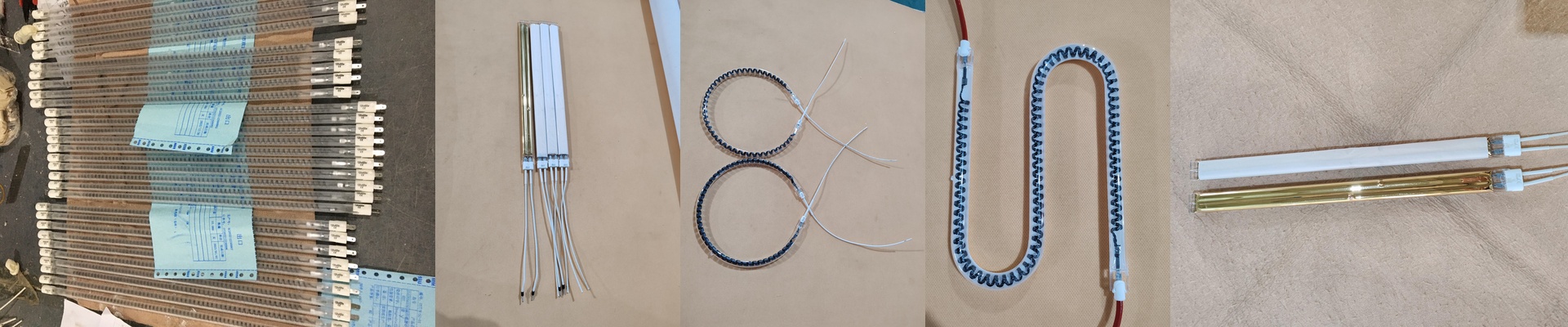
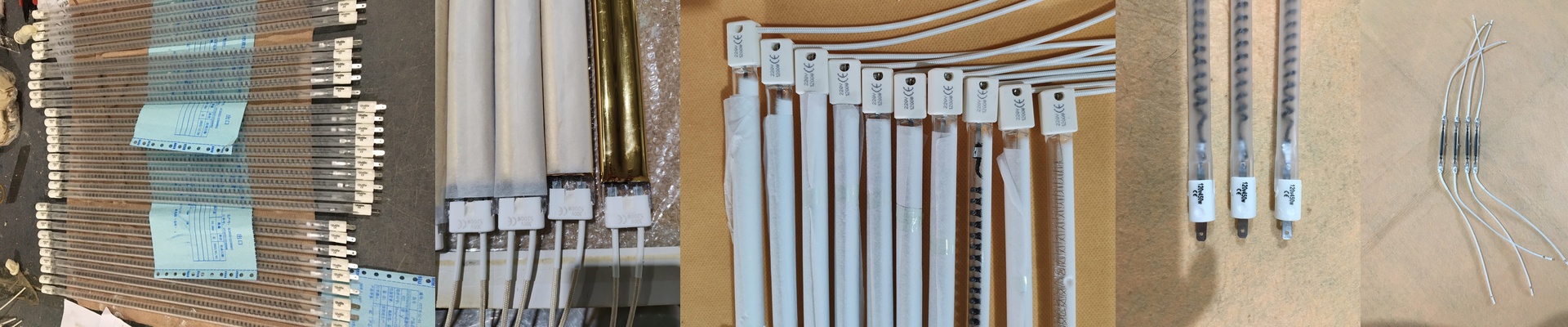
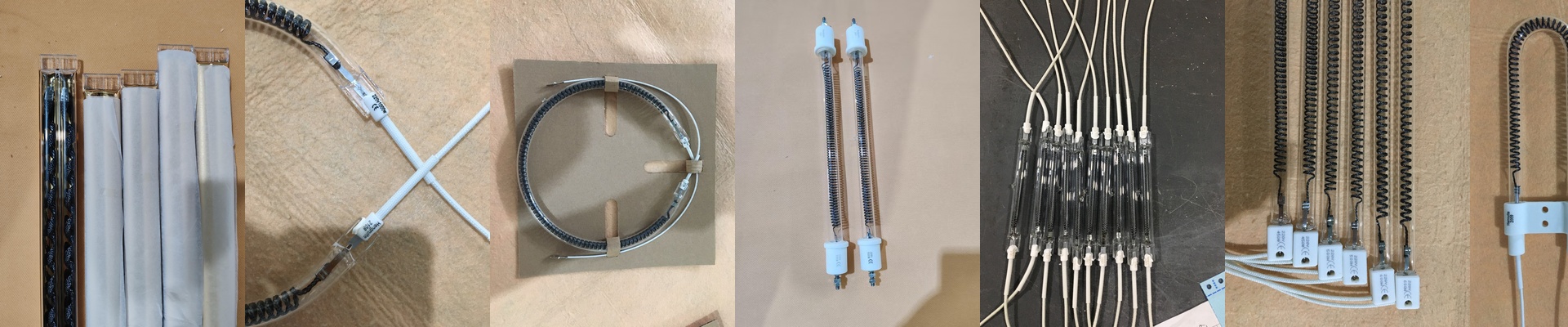
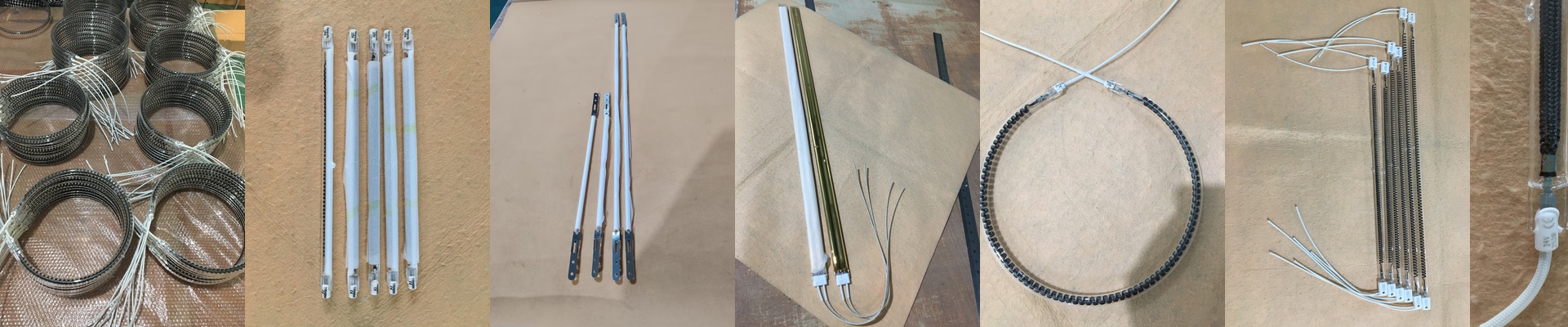
We built these carbon fiber infrared heaters for the industrial jobs where you can’t afford to wait around. The kind of work where you need heat, right now, and you need it to hit hard. Inside, you’ve got a quartz tube with a carbon filament that fires up almost instantly. It’s all about delivering a blast of focused, radiant heat on demand—without turning your whole machine into a space heater.
Power, Voltage, and Size: Getting It Right
These heaters are sized for the job you’re doing, not just whatever outlet you have nearby. Take a common setup: 400V and 2500W. It packs a serious punch from a small, 300mm tube. That means you can zero in on a specific spot on your line without having to re-engineer the entire oven. The voltage choice is a smart one. Sticking with 400V means less current for the same power, which keeps your wiring from needing to be oversized and cuts down on energy loss. This matters on the shop floor, where you’re dealing with long cable runs and crowded electrical panels.
The Details: What’s Inside
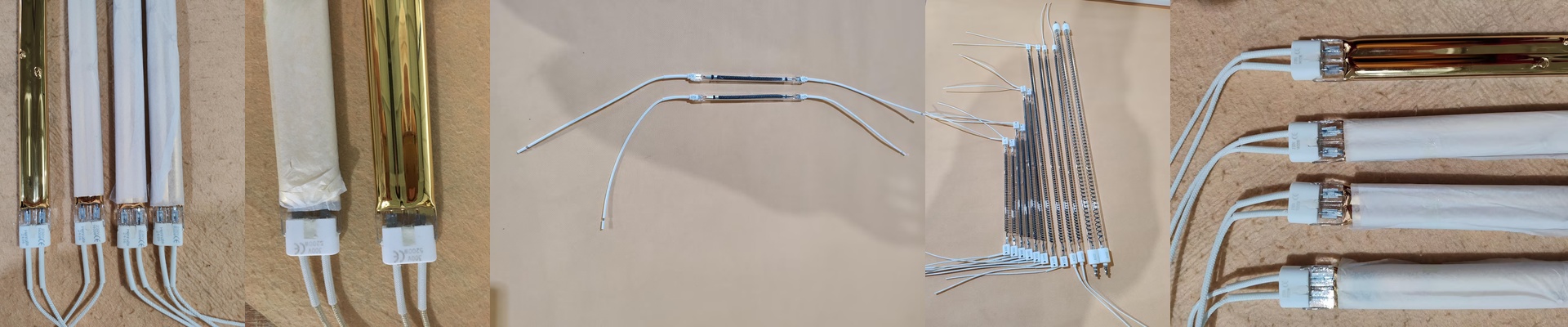
The carbon filament is the heartbeat of this thing. It gets up to temperature so fast, you can start and stop on a dime. Perfect for short production runs or processes that need precise timing. The quartz envelope can handle the shock of that rapid heating, and the halogen gas inside keeps the filament running stable. A reflective coating on the quartz pushes all that energy forward, so you’re not wasting heat. And when it comes to installing it, the R7s connector makes it a simple drop-in replacement. If you need a different setup, the Sk15 connector gives you a secure fit that stays put, even with vibration.
Real-World Use: The Upside and the Trade-Off
You see these heaters a lot in PET blowing, where you need to heat preforms quickly and in one specific spot. The fast response gives you tighter control over the heating window, and the focused infrared heat keeps from blasting the parts right next door. Here’s the trade-off: with that kind of power density, you need to plan for cooling and manage the heat around it. Make sure you’ve got the airflow and shielding sorted, or you’ll be cooking the nearby electronics. But if you plan it right, you get a tough, reliable heater that can keep up with the pace of a running production line, day after day.