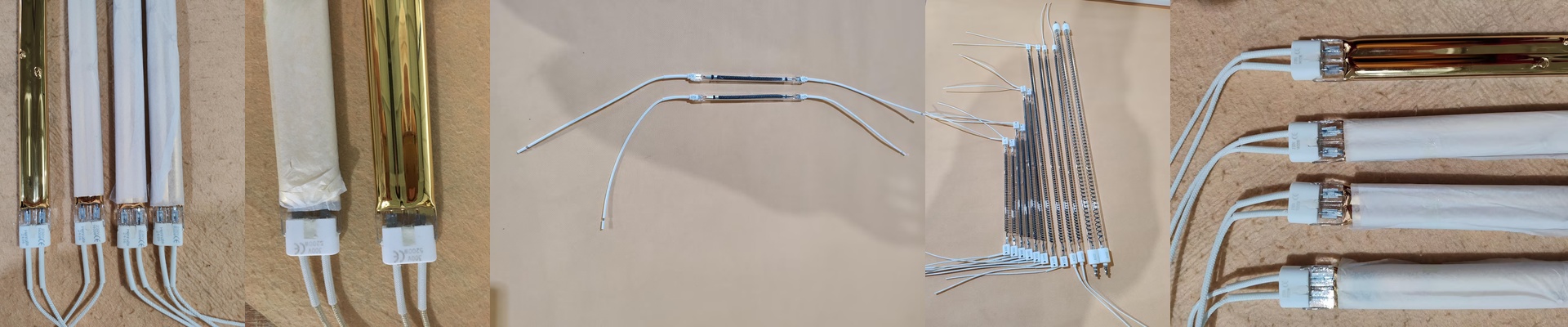
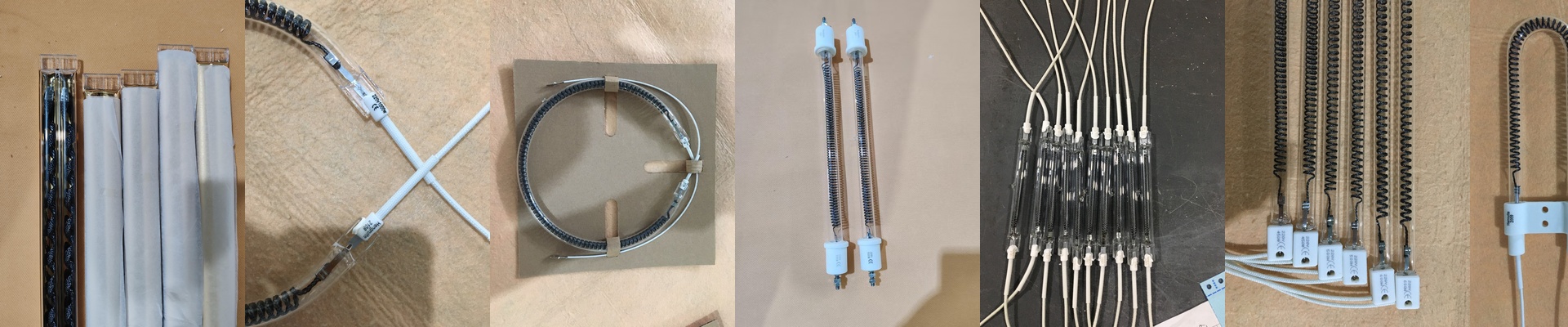
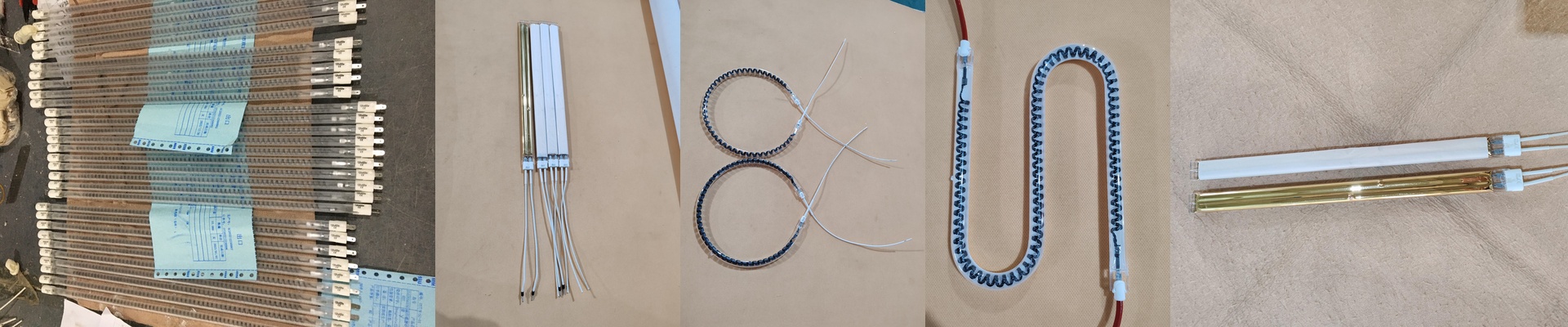
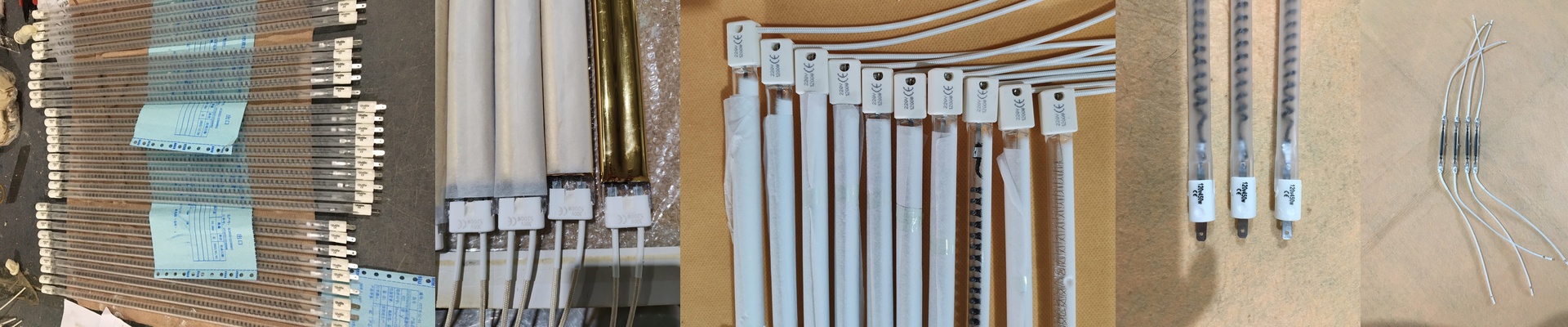
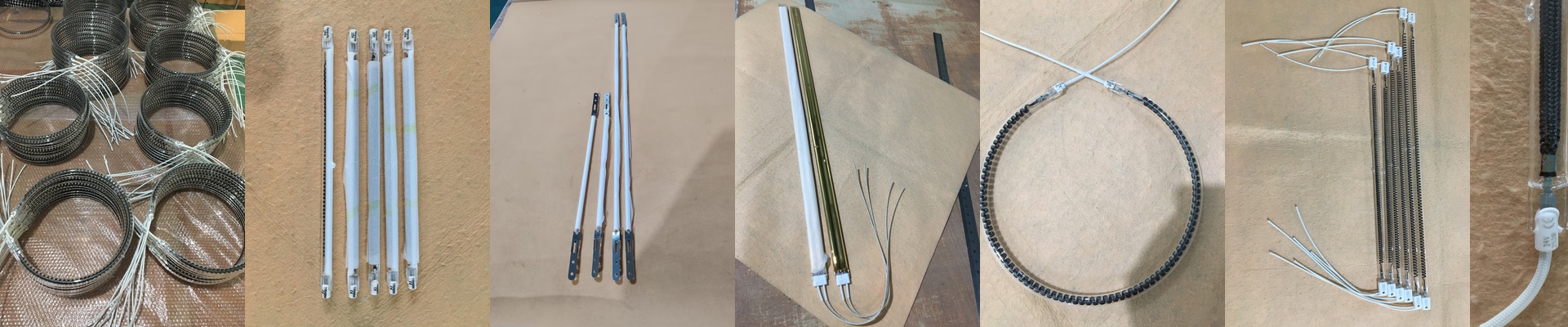

The Truth About Quartz Infrared Tubes
Most people look at a quartz tube and see a basic part. A commodity. But if you’ve ever had a line go down because a lamp popped, you know it’s more than that. It’s actually a delicate dance between pure materials and some pretty intense physics. When we supply the big global brands, they aren’t paying for a logo. They’re paying for tight tolerances and a filament wound exactly right.
Why purity actually matters
We stick with high-purity fused silica. Why? Because it lets short-wave infrared radiation slide right through without getting stuck. Here’s the thing: if the quartz is “dirty” or full of impurities, the tube starts absorbing the heat itself. That’s bad news. The glass stresses out, it gets moody, and eventually, it just cracks. By keeping the quartz crystal clear, we make sure the heat actually hits your workpiece instead of wasting it on the tube wall.
Getting the filament right
A tube’s lifespan comes down to how we handle the watt density. We wind the tungsten filament to hit your voltage needs without creating those dreaded “hot spots.” If you try to cram too much wattage into a tiny footprint, the heat density goes off the charts. That’s where things get risky. If your cooling fans aren’t up to the task, the ends of the tube overheat. The seals fail. The filament burns out way too soon. We calibrate our windings specifically to stop that “end-effect” failure from happening in the first place.
The OEM advantage
Since we work as an OEM supplier, we play by the same ISO rules as the household names. No guessing games here. We use precision-machined electrodes so these tubes just slide right into your existing gear. No tweaking, no fighting with the fit. You get the same heat profile and spectral output as those expensive brand-name lamps, just without the massive markup. At the end of the day, it all comes down to using the right raw materials and being obsessive about the vacuum seal.