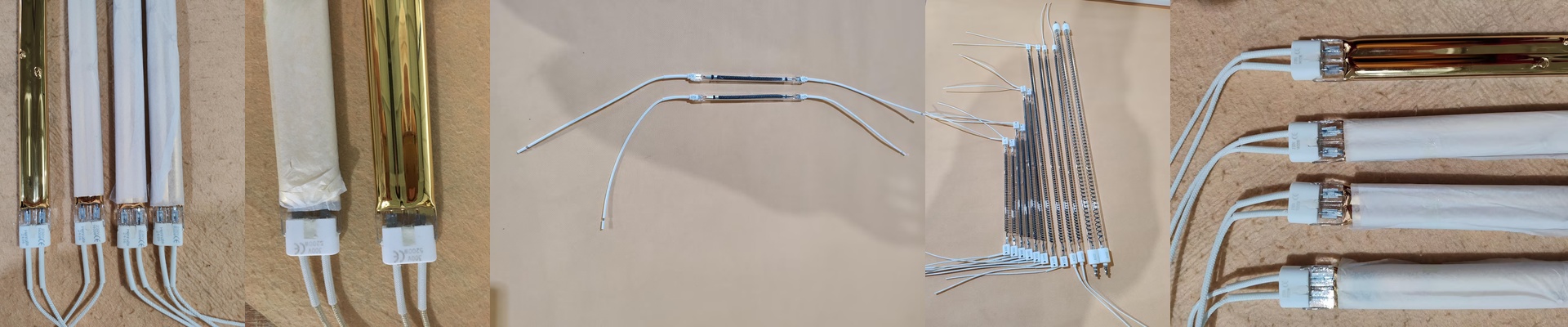
The 300mm Carbon Filament Infrared Lamp: A Technical Breakdown
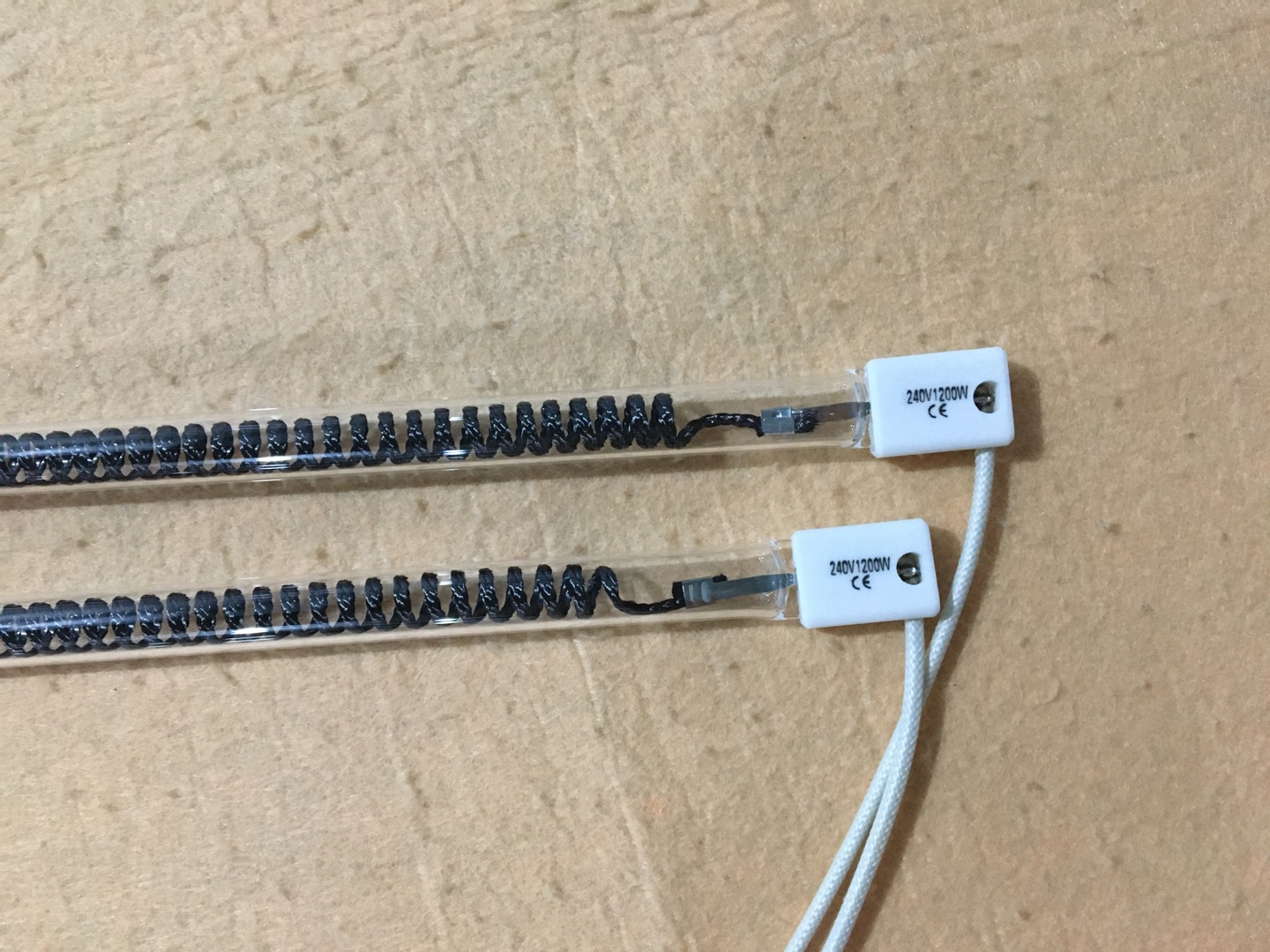
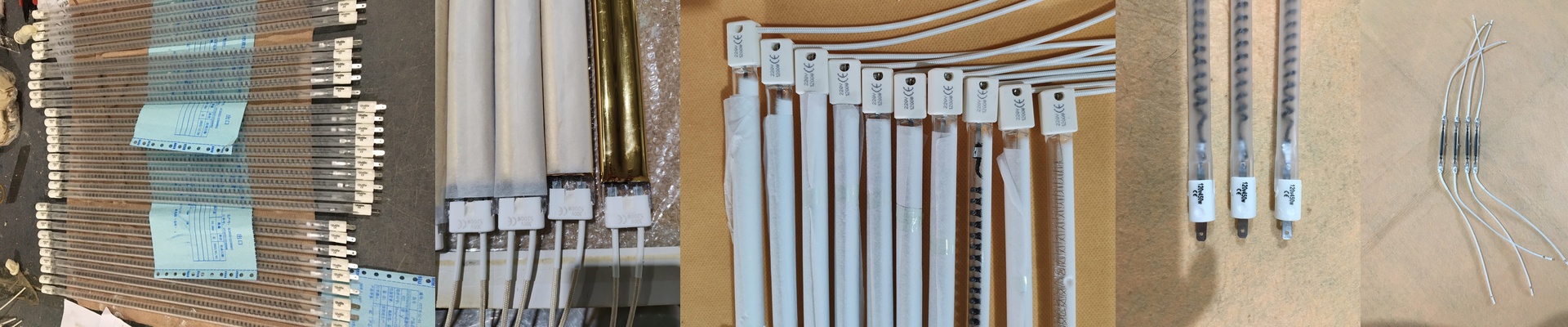
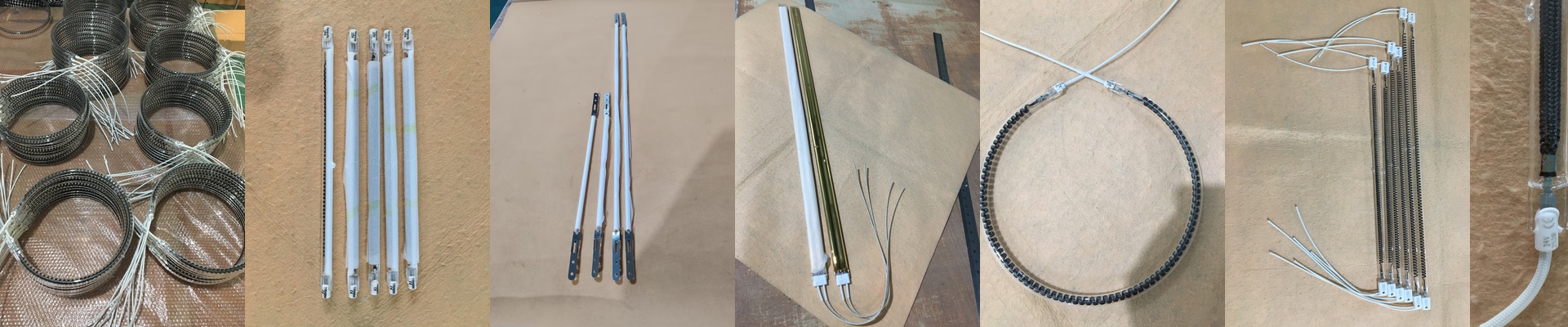
We built the 300mm carbon filament lamp for the moments when you absolutely need industrial heating that’s fast and powerful—no compromises. It was designed to step in for older ceramic or metal-sheath heaters, especially in tight spots, and deliver a concentrated blast of infrared exactly where you need it.
Power, Voltage, and Size
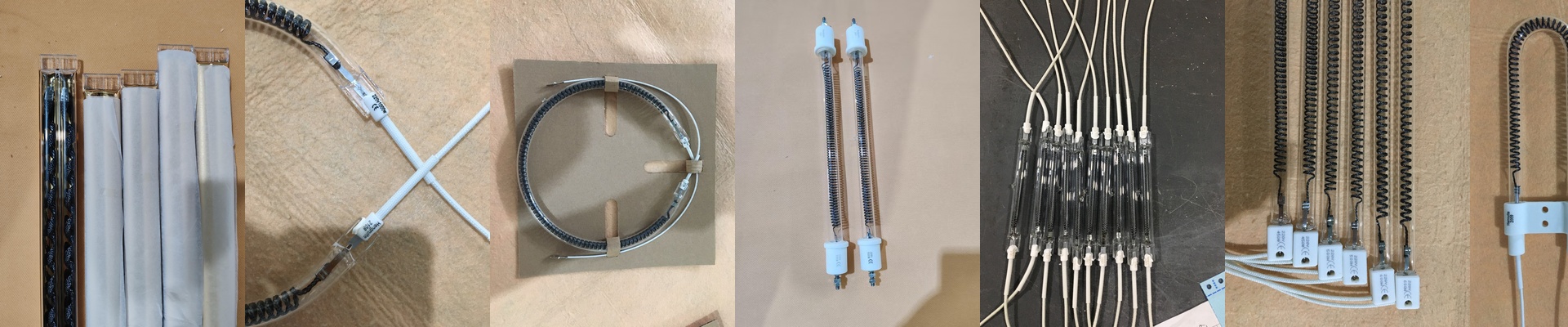
The 300mm length isn’t random. It’s intentional, meant to keep your equipment footprint small. This lamp slips into those cramped zones—think blow molding heads, sealing bars, shrink tunnels—without forcing you to redesign the whole machine. The carbon filament is built for high-voltage work, usually in 230V or 400V setups, so you get serious wattage packed into a small space. Take the 400V 2500W version, for example. It throws off intense heat. But with that kind of power, you’ve got to make sure the housing is well ventilated. If you don’t plan for proper cooling, you risk cooking the parts nearby.
What It’s Made Of—And Why It Matters
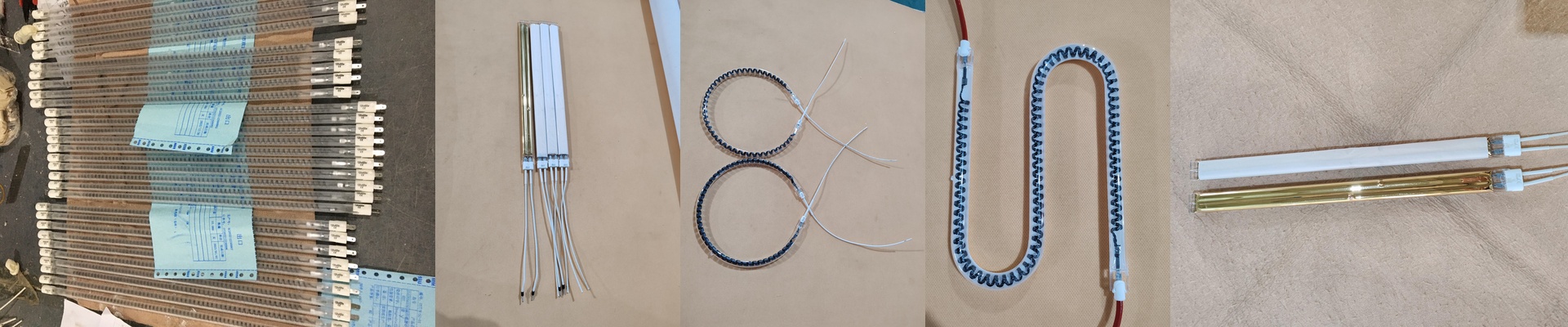
The heart of this lamp is a carbon filament, not a tungsten coil. Why does that matter? Carbon fires up fast and spreads its heat across a broad infrared spectrum. That filament sits inside a quartz envelope that can take the heat and stays clear even when temperatures shift suddenly. We add a quartz coating to fine-tune the emission and shield the filament from harsh chemicals in process environments. The R7s double-ended connector is standard, and for good reason. It gives you a secure, low-resistance connection and makes installation a snap—just slide it in on any equipment that uses linear sockets. And if you’re replacing an older shortwave heater, this one drops right in.
Where It Shines—And What It Feels Like to Use
In real life, this lamp shines in PET preform heating, plastic welding, coating drying, and packaging sealing. The heat comes on fast and stays focused, so you can cut down cycle times without scorching the material you’re working on. The carbon filament ages steadily, too, so you get consistent output over thousands of hours. But high voltage means you need the right insulation and protection. Treat those terminals with respect, and you’ll get heat you can count on—every time—to keep your line moving.