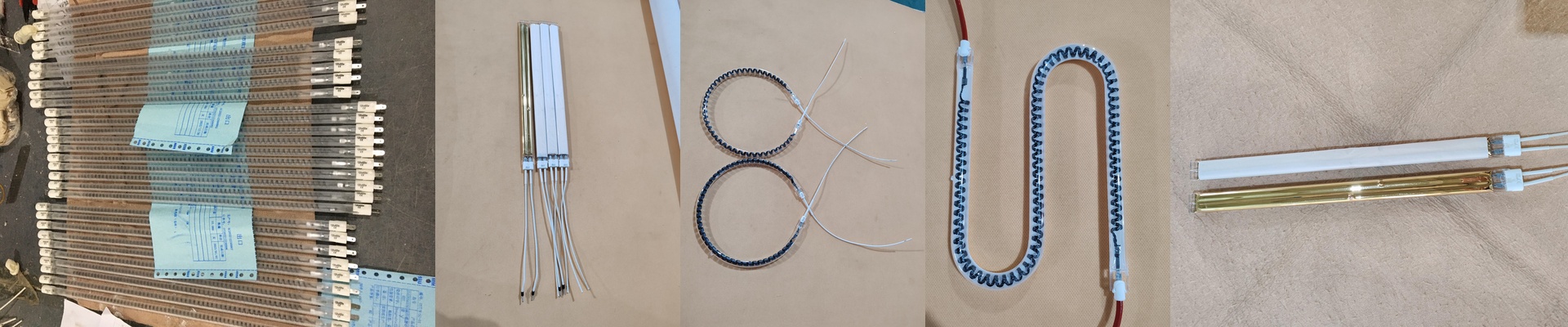
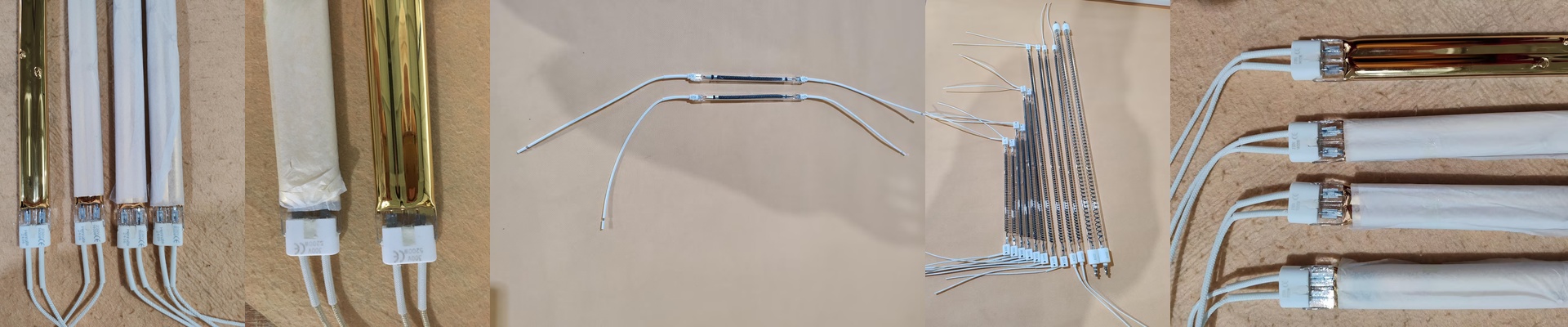
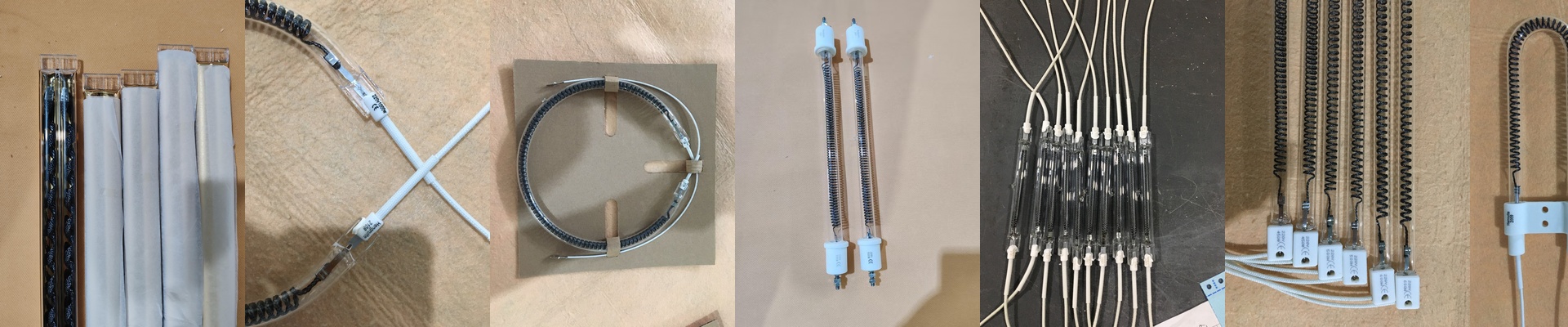
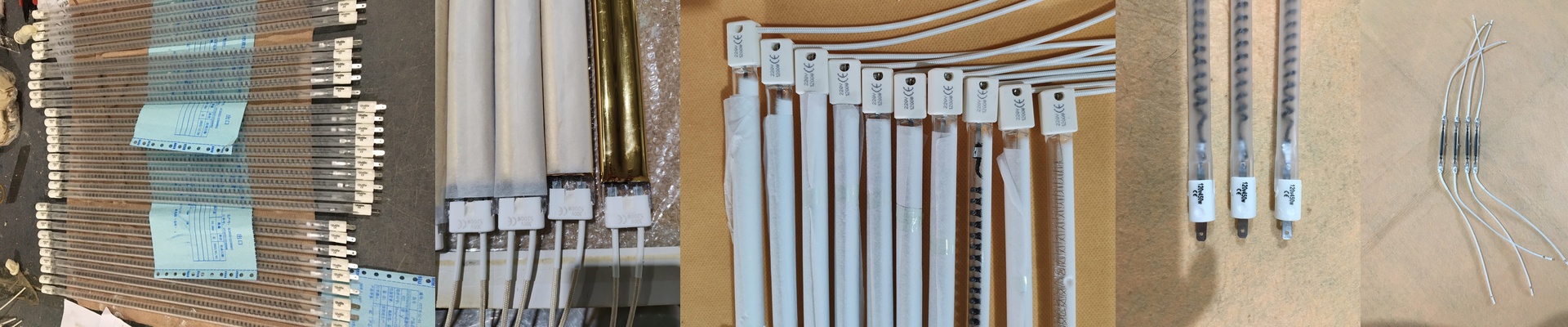
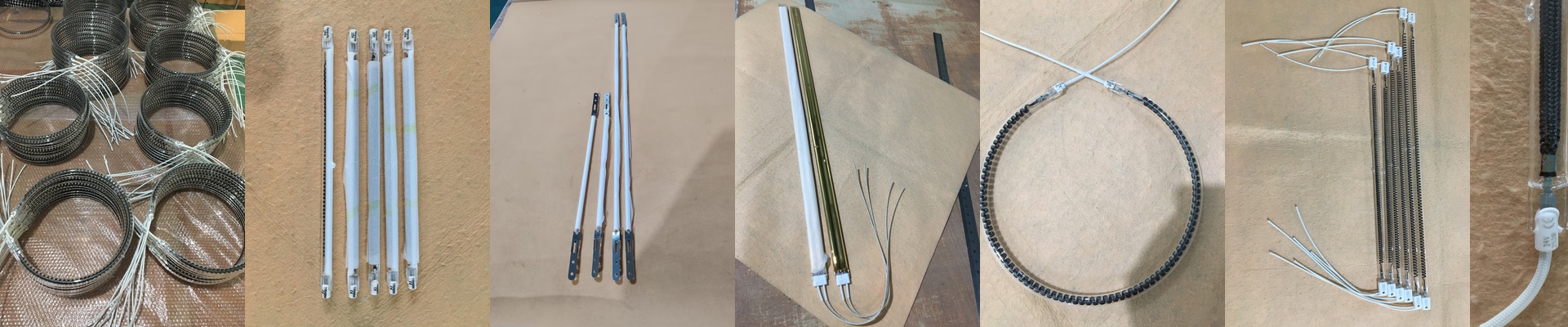
Carbon Infrared Heating Lamp: 700mm, 220V, 2500W — Built for Industrial Heat That Shows Up and Shows Off
We built this carbon infrared heating lamp for one simple reason: you need serious, controllable heat in a tight space—and you need it now. No drama. No over-engineering. Just a matched setup: 700mm long, 220V, 2500W. These numbers weren’t picked at random. They were chosen to fit real-world line voltage, real mounting space, and the kind of watt density industrial heating demands.
Power, voltage, size—why this combo actually works
That 2500W packed into a 700mm tube means you get a lot of heat without having to redesign your whole enclosure. And running at 220V keeps the current reasonable, so your wiring and terminals stay practical—no extra headaches when you’re wiring into standard plant power. The 700mm length? It’s there because it fits common reflector setups and gives you a predictable heating zone. You know what that feels like on the floor: less guesswork, more confidence. But here’s the honest part—high heat density needs respect. If your machine is sealed up tight, you’ve got to plan for airflow and clearance. Keep the heat moving, and the components stay happy.
What makes carbon infrared the right call
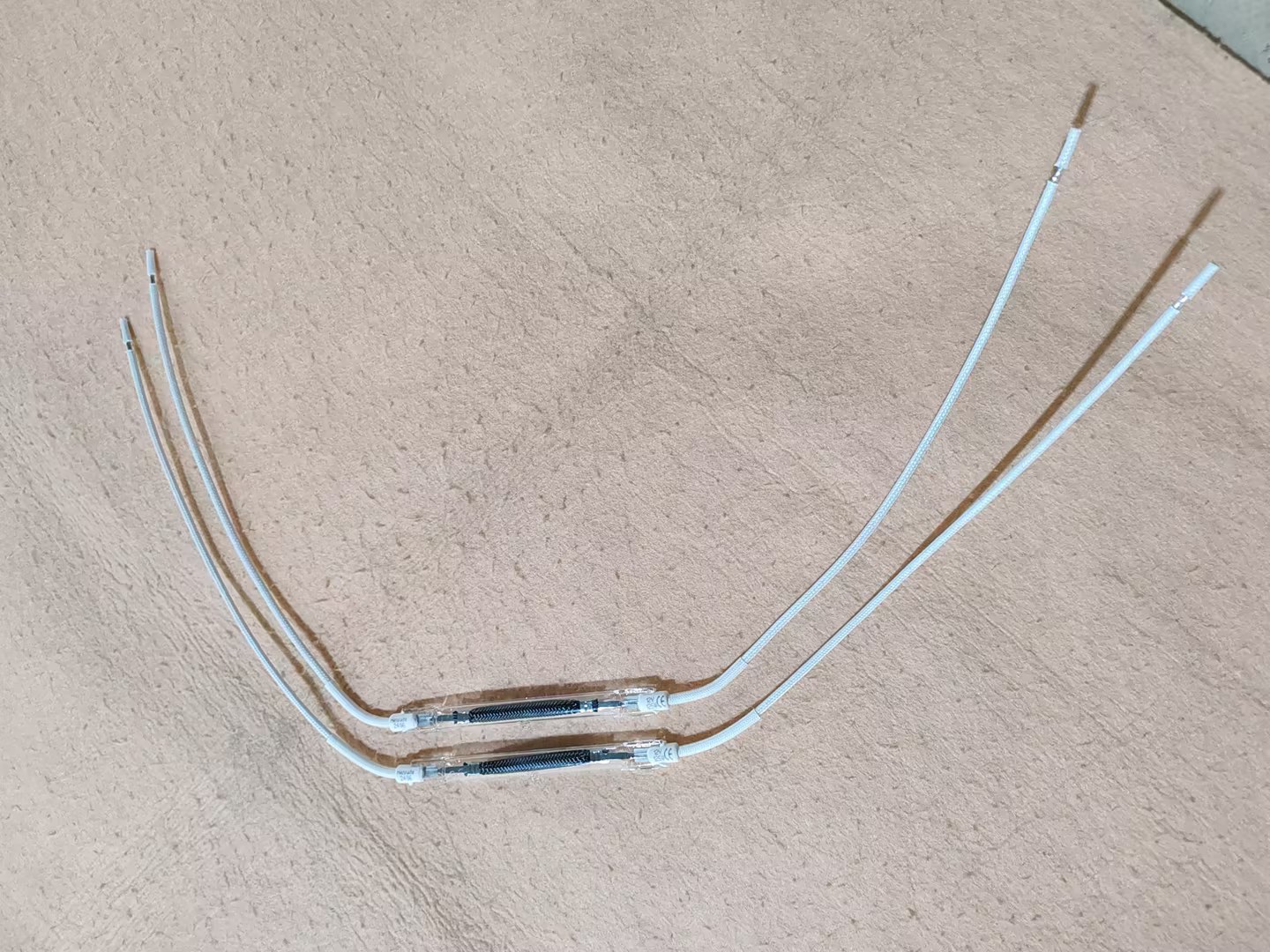
Carbon infrared elements get hot fast—and they radiate hard in the shortwave range. That’s the kind of heat that hits where you point it, when you need it. The quartz envelope takes the shock of rapid heat-up without blinking, and it keeps output steady even when you’re cycling on and off all day. And the carbon filament? It’s built to handle the stop-start reality of production. Power up, power down, repeat. It keeps going. We also stuck with standardized end-fittings. Why? Because downtime is painful. This lamp drops into existing fixtures, so replacement is quicker, and you don’t have to rework the whole assembly.
Where this shines: industrial heaters that can’t wait
If your industrial heater has to heat parts on demand, this lamp delivers. It responds fast, and it throws focused radiant heat right where you need it. Think drying, curing, preheating, or any localized heating that needs to happen at the point of action—not by warming up the whole room. The payoff is the kind of reliability you can feel in your schedule: predictable heat, repeatable cycles, and a lamp that handles the stress of production without getting moody. Just keep one thing in mind—high watt density means your nearby components and wiring need to be rated for the heat and the current. Plan the thermal path with the same care you give the electrical one.