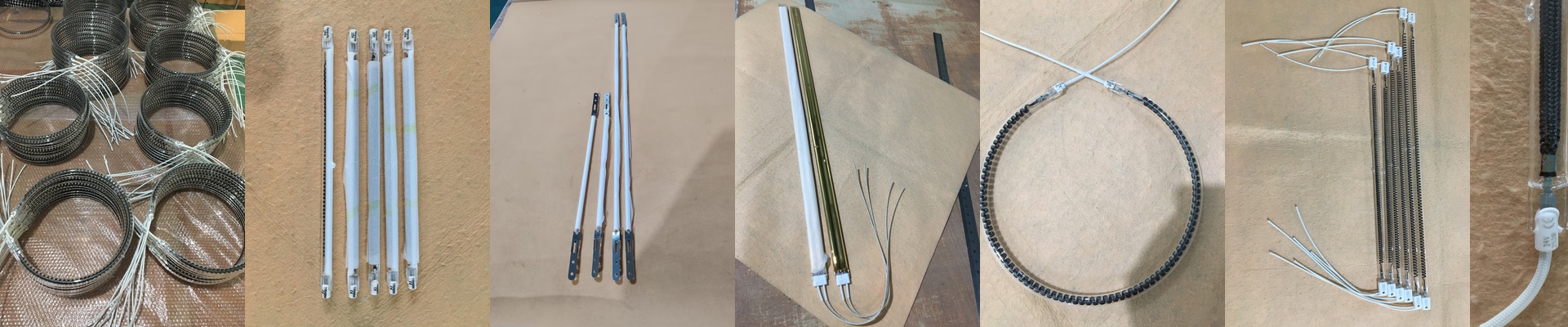
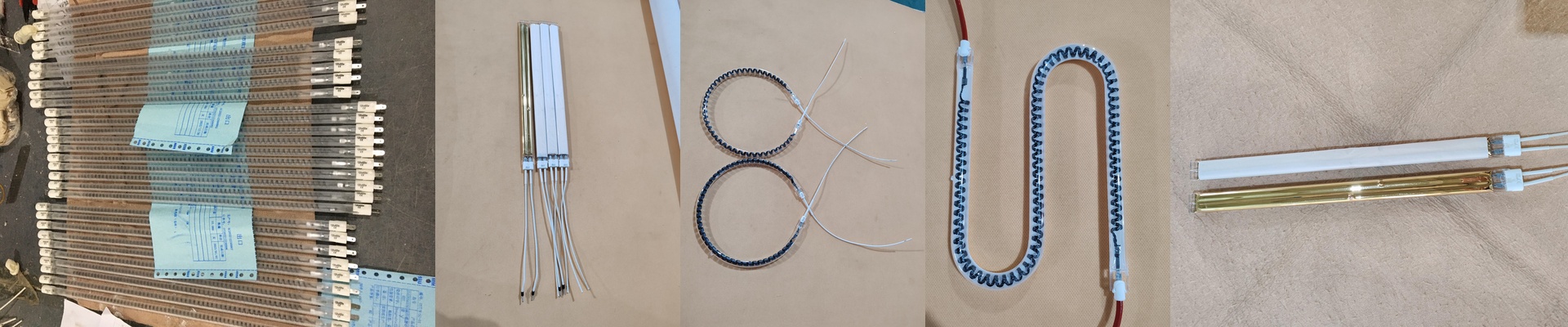
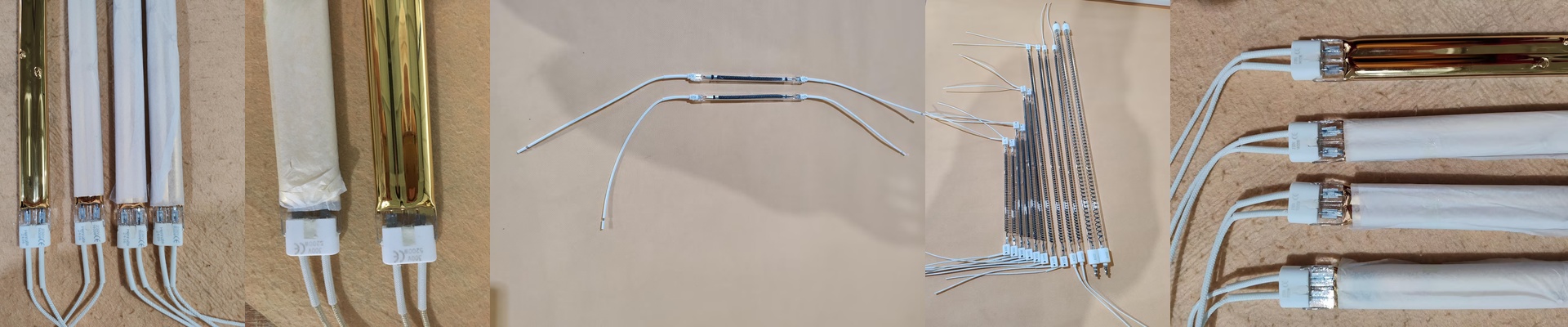
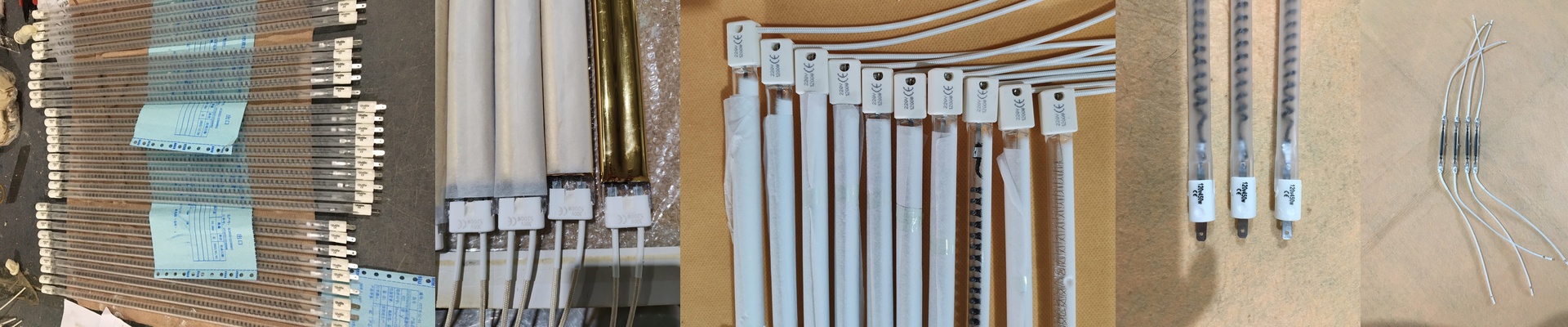
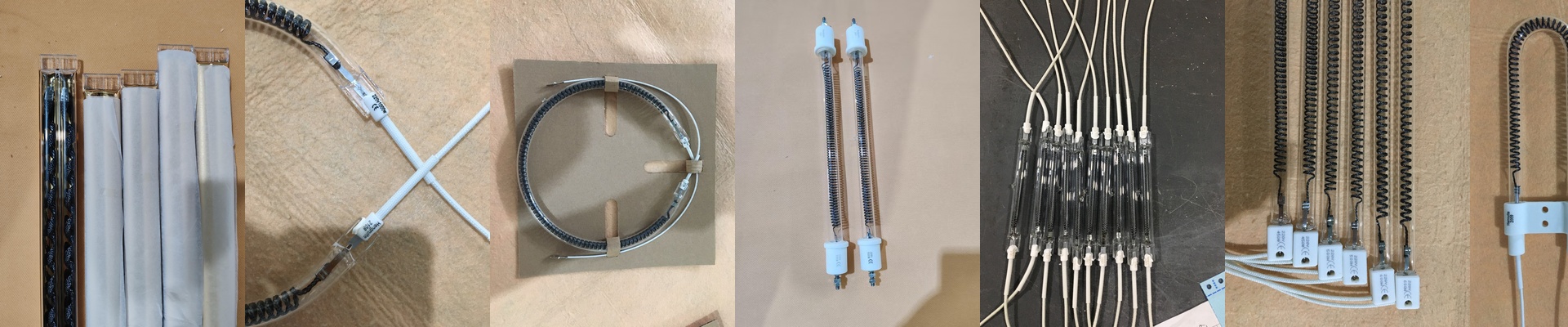
Let’s Talk About Carbon Fiber FIR Heating Tubes
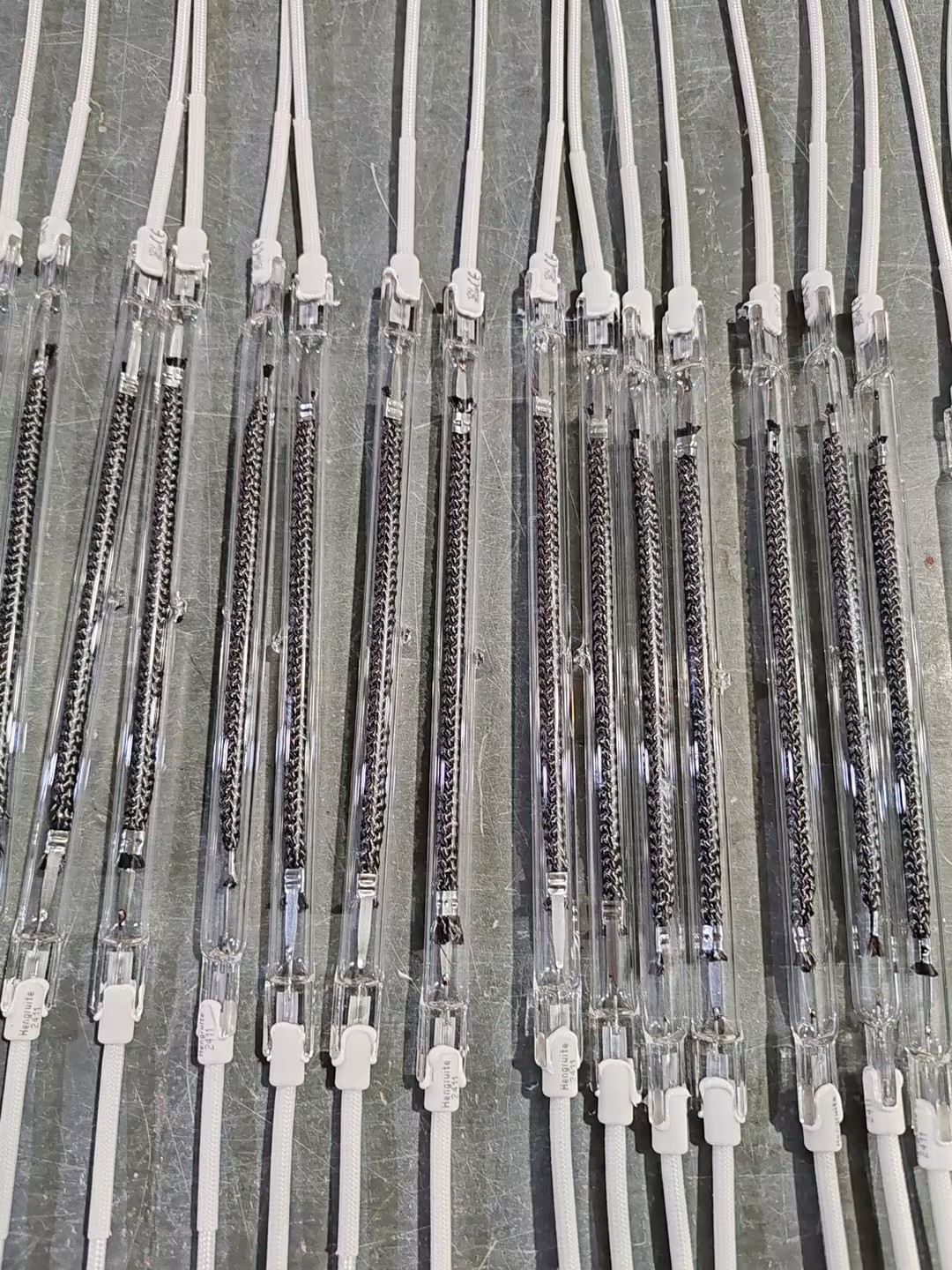
Most people are used to those old-school metal alloy filaments. But we do things a bit differently. Instead of metal, we use a braided carbon fiber core tucked inside a high-purity quartz tube. The quartz does the heavy lifting here—it keeps the oxygen away so the element doesn’t burn out, but it’s clear enough that the infrared heat just slides right through. Why bother with carbon fiber? Here is the thing: metal wires (like NiCr) tend to sag or warp when they get screaming hot. Carbon fiber doesn’t do that. It handles high current without losing its shape, which means you get a nice, even heat across the whole tube. And the heat itself? It’s different. It’s a far-infrared (FIR) spectrum. Instead of just hitting the surface, it actually sinks deep into the material. If you’re trying to cure thick plastic or dry out deep layers of a product, this is exactly what you want. It just gets the job done faster. Getting it into your machine We usually build these to your specific lengths. We use standard end-caps—think R7s or SK15—so they just pop right into your existing sockets without any headache. One quick heads-up: if you’re pushing a ton of wattage, your power density goes up. Just make sure your wiring can actually handle the amperage. Nobody wants to deal with burnt-out terminals on day one. The honest truth about the trade-offs Look, nothing is perfect. The big win here is speed. These tubes ramp up way faster than ceramic heaters, so you can stop wasting time on long pre-heating cycles. But there’s a catch. Carbon fiber is a bit more brittle than metal. If your machine shakes a lot or if someone is rough with the tubes during install, that internal fiber can snap. It’s a fragile beast. To keep them happy, use mounting brackets that soak up the vibration. Also, give them some room to breathe. If the airflow is bad and that quartz tube overheats, the seal at the end-cap might give way. Keep it cool, keep it steady, and they’ll last.