Infrared Carbon Fiber Heating Lamps: Power, Design, and How They Get the Job Done
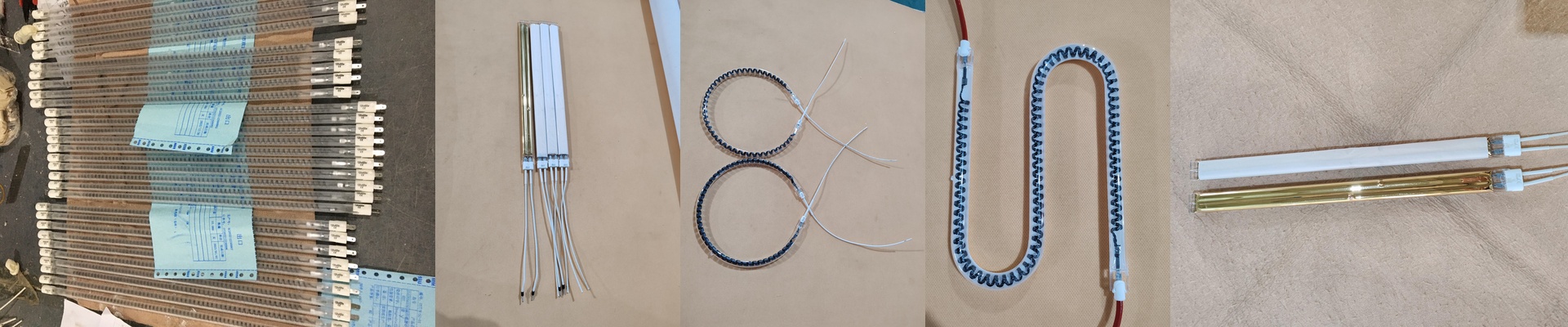
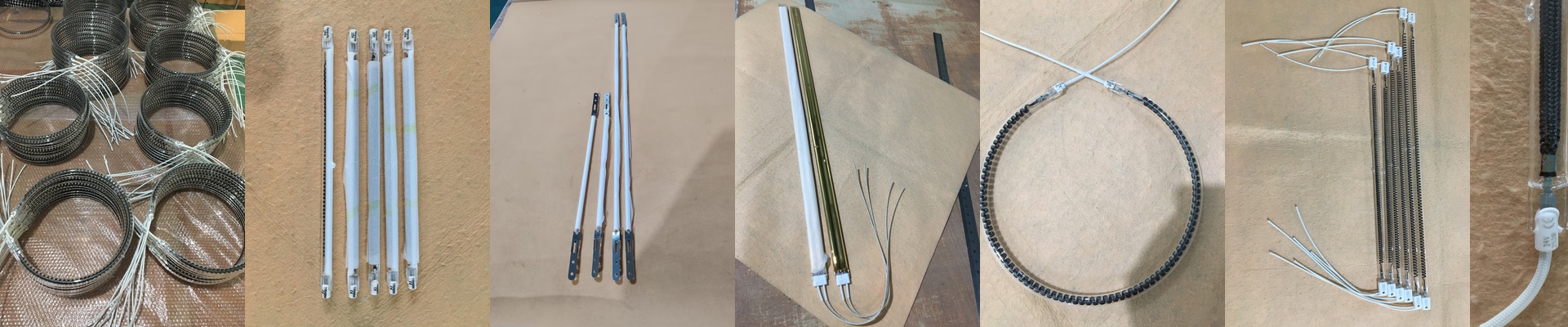
We make these infrared carbon fiber heating Lamps for one simple reason: to get intense heat where you need it, fast. They’re built for the kind of work where seconds count, control has to be precise, and the environment is anything but gentle.
The power behind the heat
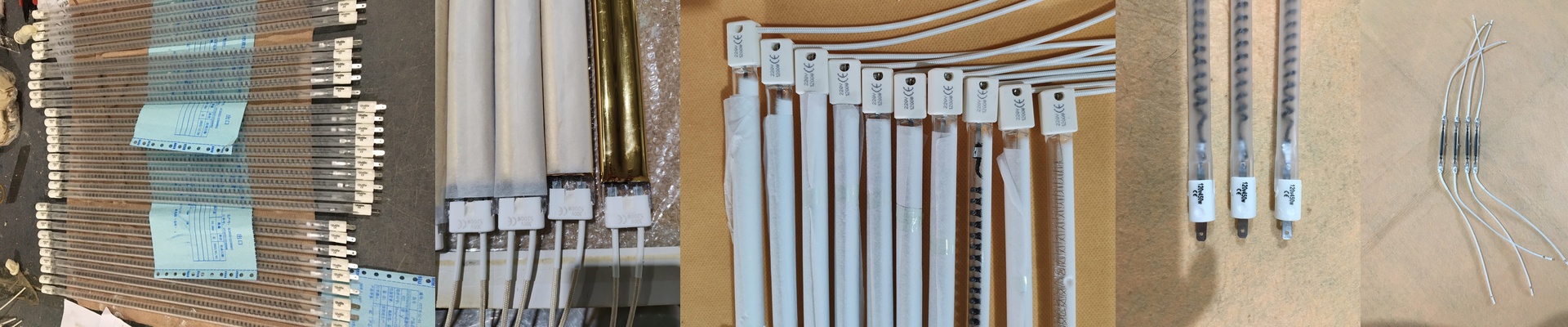
We size these lamps to match the task. Take the 300mm tube—it’s compact, so it slips into tight spots in machines without fuss. And with 2500W, you get serious heat density, pushing temperatures up quickly without needing a bigger footprint. We run these lamps at 400V because it just makes sense. Higher voltage means lower current for the same power. Lower current means you can use smaller wiring, cut down on energy loss, and keep heat buildup in the socket and harness to a minimum. You get the heat you need without stressing the electrical setup.
What’s inside, and why it matters
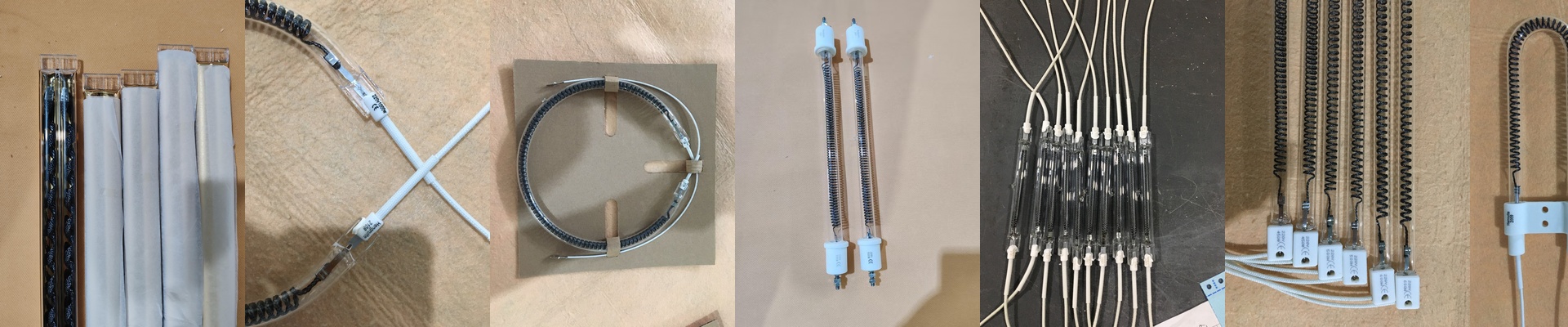
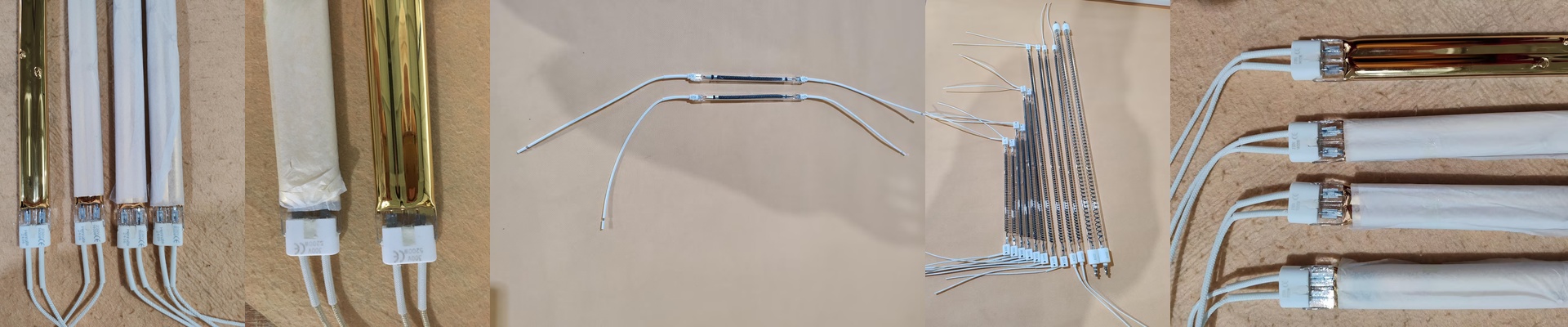
The carbon fiber element sits inside a quartz envelope, and we fill that space with halogen gas. That chemical cycle protects the filament, so output stays steady and the lamp lasts longer. The quartz itself handles sudden temperature swings and stays clear, so the infrared energy comes through strong. We add a reflective coating on the back side to push more energy forward. That means more usable power where you point it and less wasted heat. And the R7s connector? It’s a straightforward two-pin design, so the lamp drops right into standard fixtures. It locks in tight, stands up to vibration, and makes swaps quick and easy.
Where these lamps shine—and what to keep in mind
These infrared carbon fiber lamps are made for speed. They heat up fast, so you spend less time waiting around between cycles. The focused beam lets you heat a specific spot, giving you better control on the line and in your process equipment. They’re tough, too. Repeated heating and cooling cycles don’t knock their output down. Just be real about one thing: 2500W at 400V is serious power. Plan your cooling and clearances accordingly. Once you size the lamp right and wire it up, you get predictable heat with way fewer interruptions.