The SK15 Carbon Fiber Heat Lamp: Built to Cure Paint—Fast
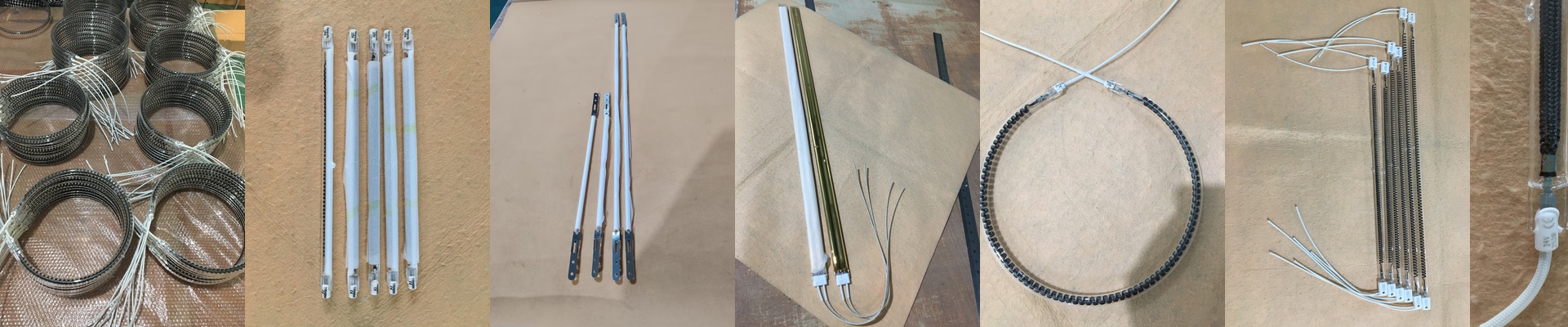
We built the SK15 carbon fiber heat lamp for one reason and one reason only: to cure vehicle paint as quickly as possible. Forget about it being a general-purpose heater. This is a focused, high-intensity infrared tool, born for production lines where time, repeatability, and fitting into the workflow are non-negotiable.
Power, Voltage, and Size—Kept Simple
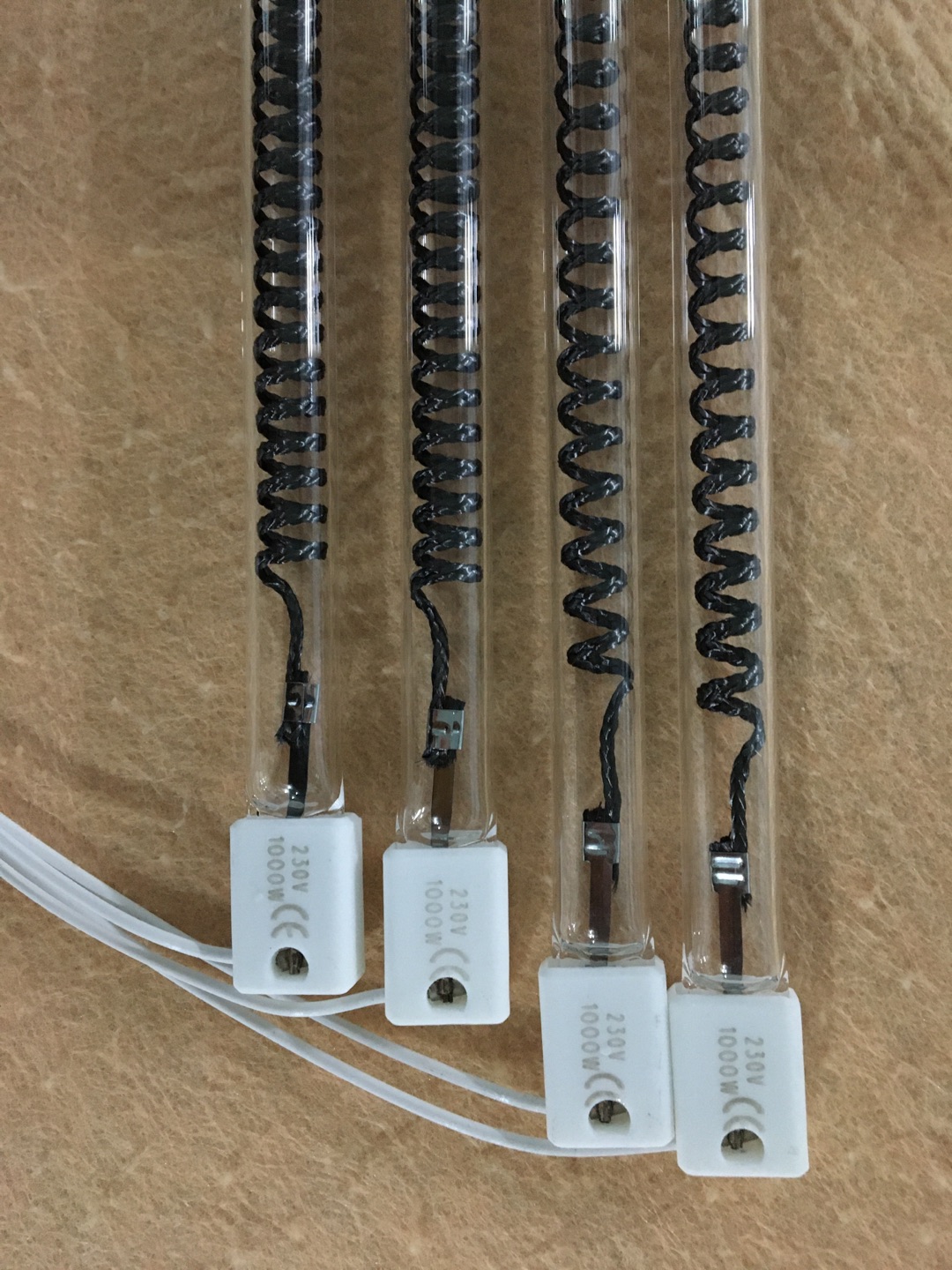
It runs on a 400V supply, which gives you a tight 2500W of output packed into a 300mm tube. That power density is exactly why it can hit paint with curing heat fast—no giant enclosure needed. The 400V choice isn’t random. In industrial control panels, it means lower current draw, so your wiring can be leaner and cleaner. Less bulk. Less hassle. And that 300mm length? It gives you a predictable heating zone that lines up with common panel sizes and robotic scan paths. That makes it easier to lock in a repeatable thermal profile, day after day.
The Materials That Make It Feel Different
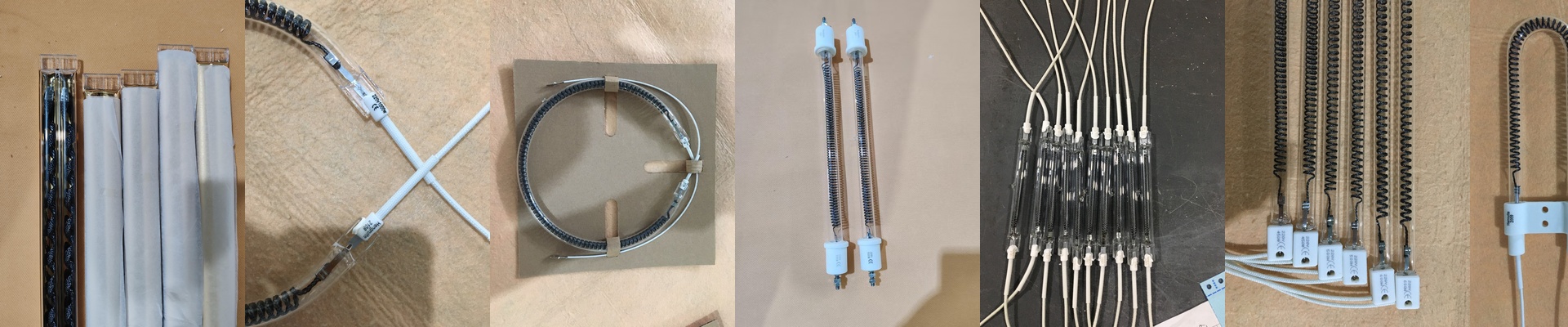
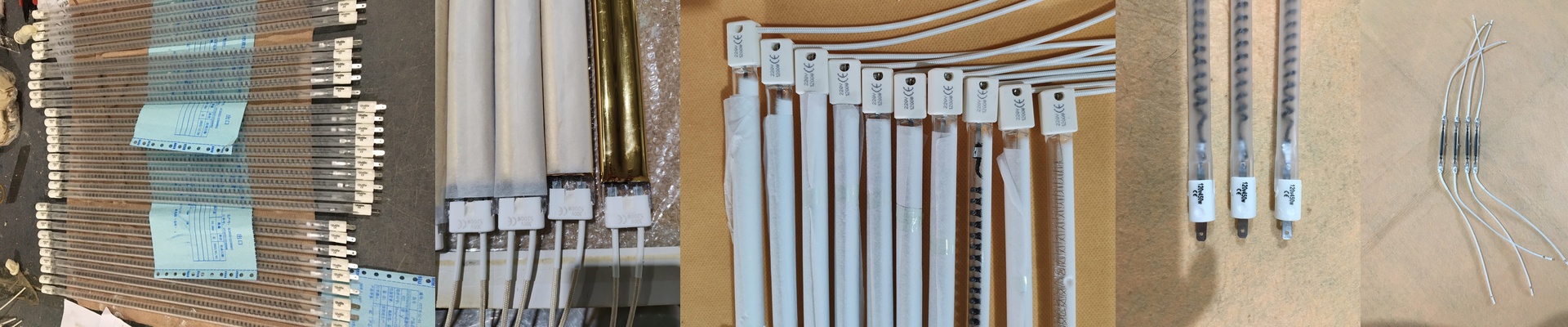
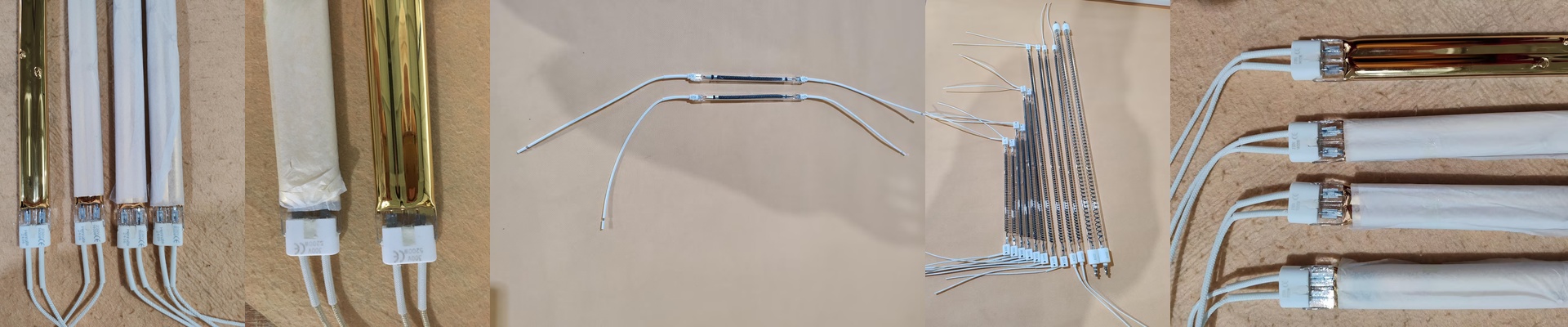
Carbon fiber elements give you rapid response and high-temperature capability, while staying tough when the heat comes on hard and fast. The quartz envelope and specialized coating aren’t just for looks. They shape the energy into shortwave infrared—the kind paint and clear coats actually soak up. And the practical win? The SK15 connector. It’s a double-ended, high-temperature interface that handles the wattage and installs securely without needing tools. If you’re already running SK15-based systems, this is a straight swap—no redesigning fixtures. Just pop it in and keep moving.
What It Feels Like on the Paint Line
In real-world vehicle paint curing, the SK15 shortens cycle time by hitting the surface with serious heat density. It heats the substrate directly, not the air around it. That means less wasted energy and a more consistent cure across flat panels and curves alike. Here’s the trade-off: that 2500W output is serious. Your machine’s cooling and thermal management need to be up to the job, so components stay within their limits. Run it with proper shielding and interlocks, and it settles into the paint line as a dependable, production-ready heating element you can count on.