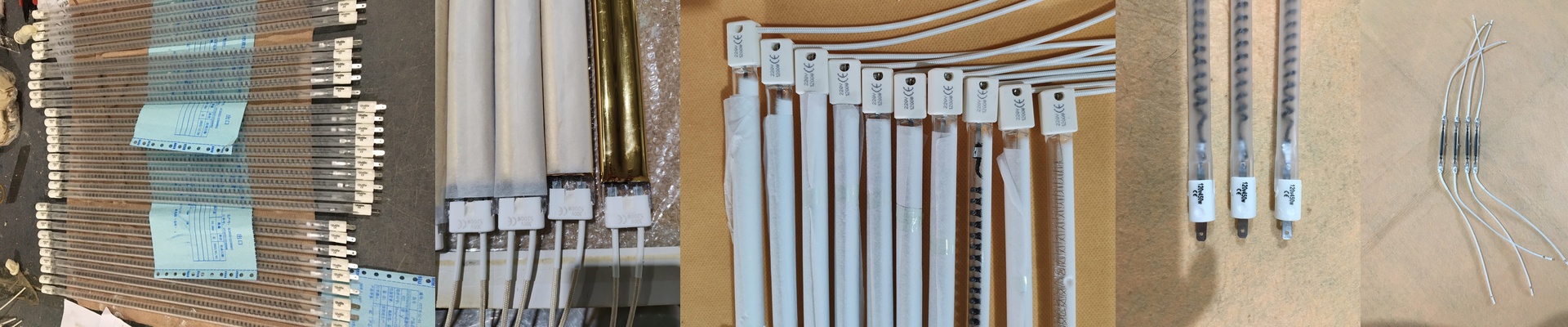
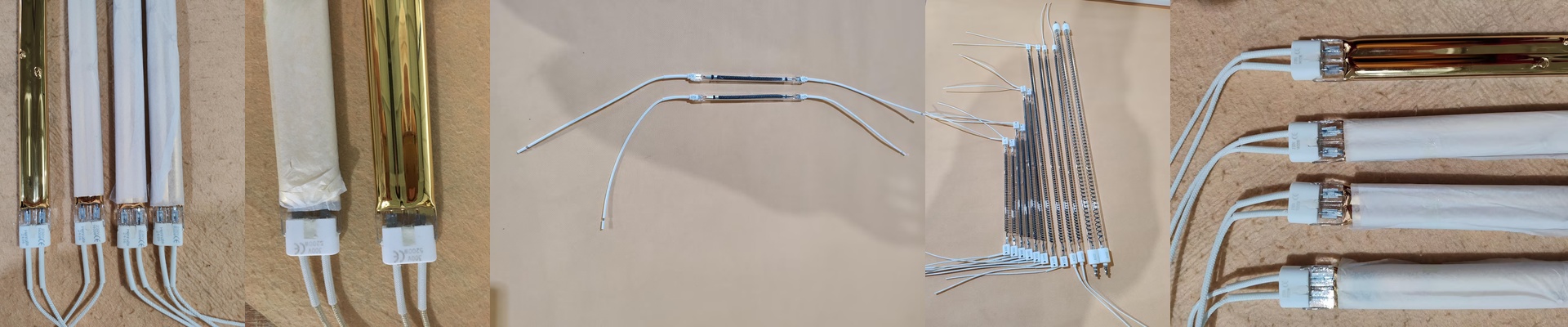
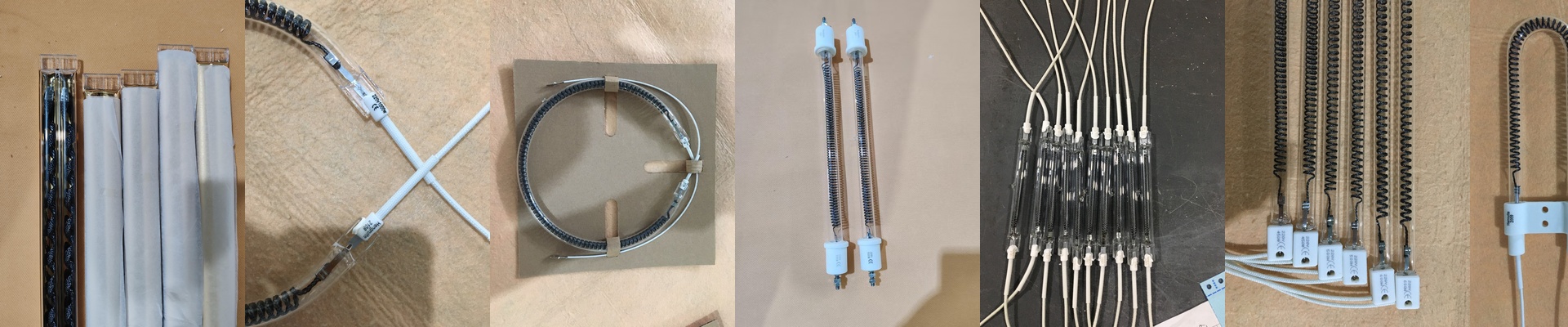
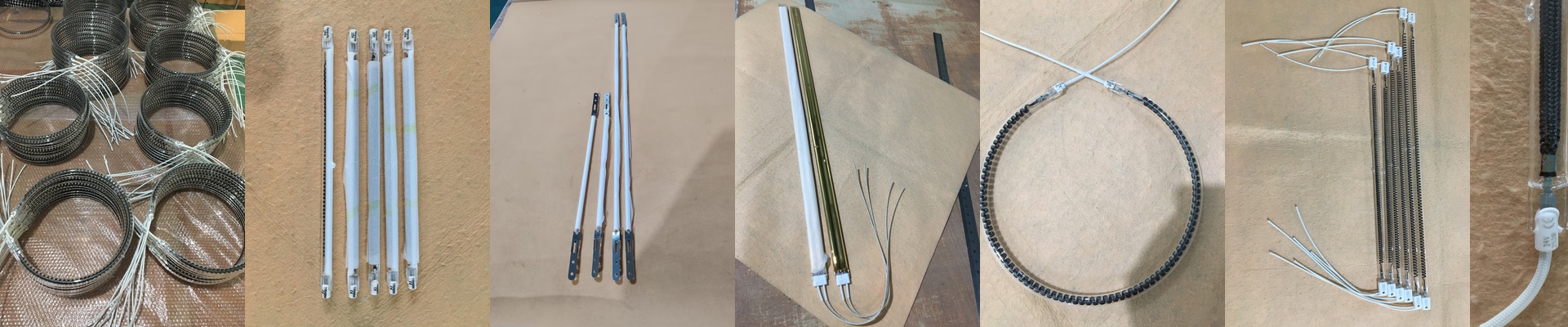
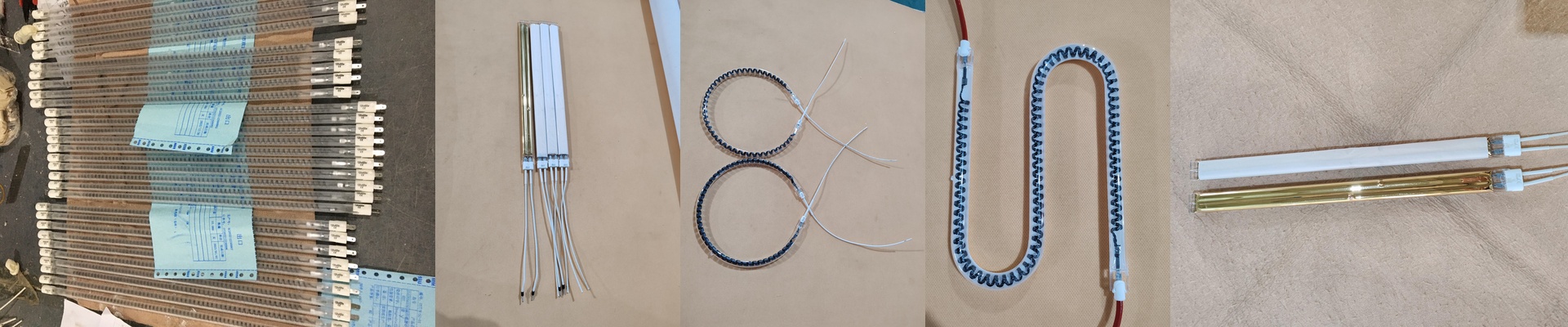
The Carbon Fiber Infrared Heat Lamp: Built for the Pace of Advertising Printing
We built this carbon fiber infrared heat lamp for one reason: it had to keep up with the nonstop pace of advertising printing machines. You need heat that hits hard, hits fast, and stays exactly where you want it—so inks cure cleanly and substrates behave the way they should. It’s about staying in control while the line keeps moving.
Power, voltage, and size—kept simple
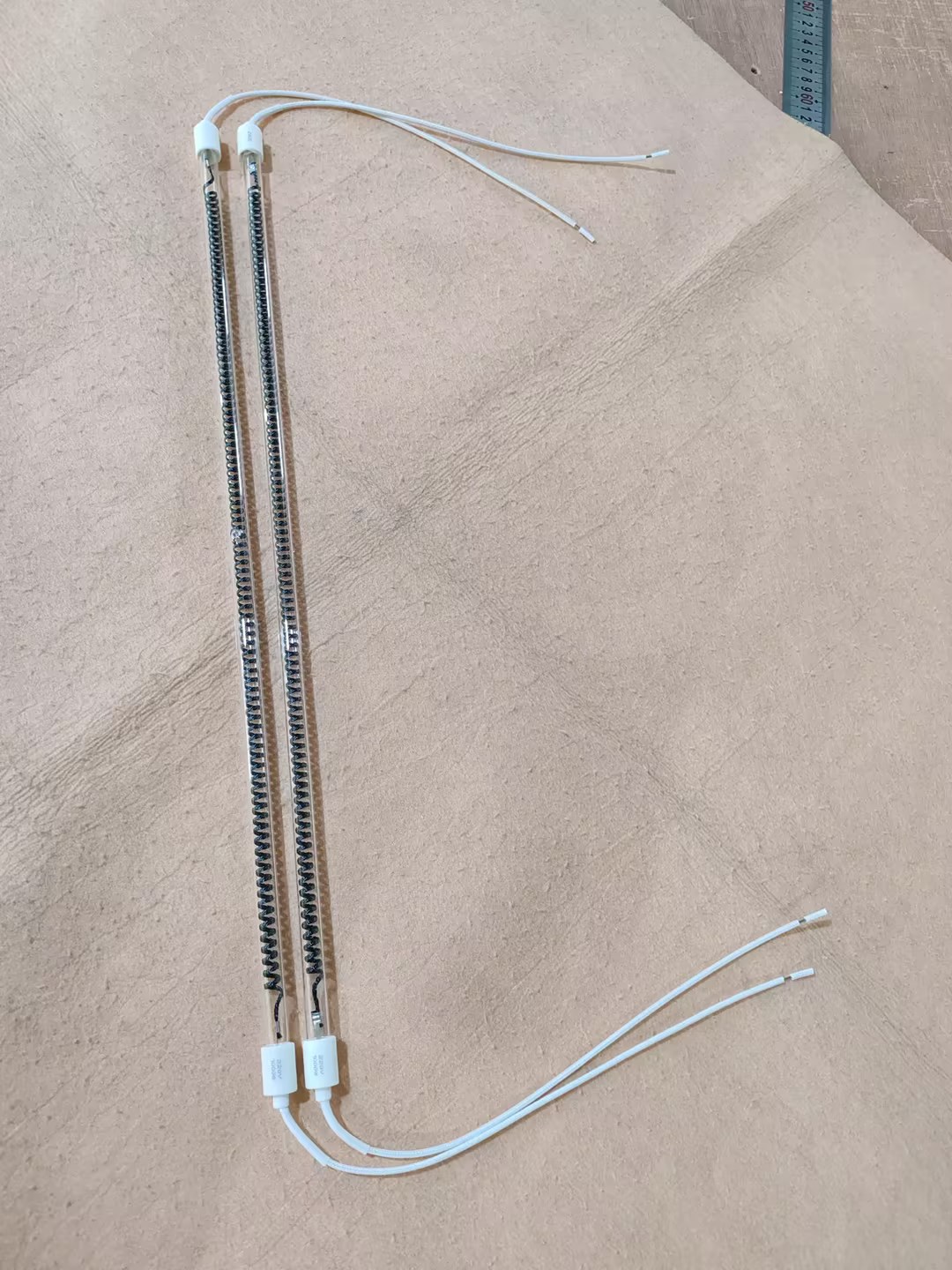
This lamp runs at2500W and 400V, because advertising printing can’t afford slow warm-ups. You need high heat density in a small footprint, so the surface gets to process temperature quickly and cycle times don’t balloon. The300mm tube lengthfocuses the heat right where it matters. No wasted energy. Less unnecessary heat bleeding into the rest of the machine. Just fast ramp-up and a stable operating temperature, day after day.
What’s inside—and why it matters
Here’s the thing: heat is only useful if it’s predictable. That’s why we use ahalogen-filled, quartz-based designto push strong infrared output without a long lag. Thecarbon fiber heating elementkeeps resistance steady and spreads heat evenly along the tube—so you don’t get hot spots that can ruin substrates. And because printing environments get exposed to ink solvents and cleaning agents, the tube has aprotective coatingto help it resist chemical attack. For installs and maintenance, theR7s connectorgives you a secure termination that can handle the current draw. It’s meant to be a straightforward, drop-in replacement when it’s time to swap a lamp.
Real-world printing. Real-world benefits.
In advertising printing, you’re constantly switching between materials—PVC, PET, coated substrates—and each one needs curing done right. This lamp gets to temperature fast and holds it steady. The result? Ink sets without bleeding, and the substrate stays dimensionally stable. The focused infrared output cuts preheat time and helps you avoid throwing energy away. But yes, there’s a trade-off. With2500Wpacked into a300mmtube, your machine’s cooling system needs to be properly set up—so components stay protected and operators stay safe. For engineers, that translates into fewer surprise stops and easier integration into existing printing machine layouts. Less hassle. More uptime.