Carbon Filament Infrared Lamps: When You Need Heat, Right Now
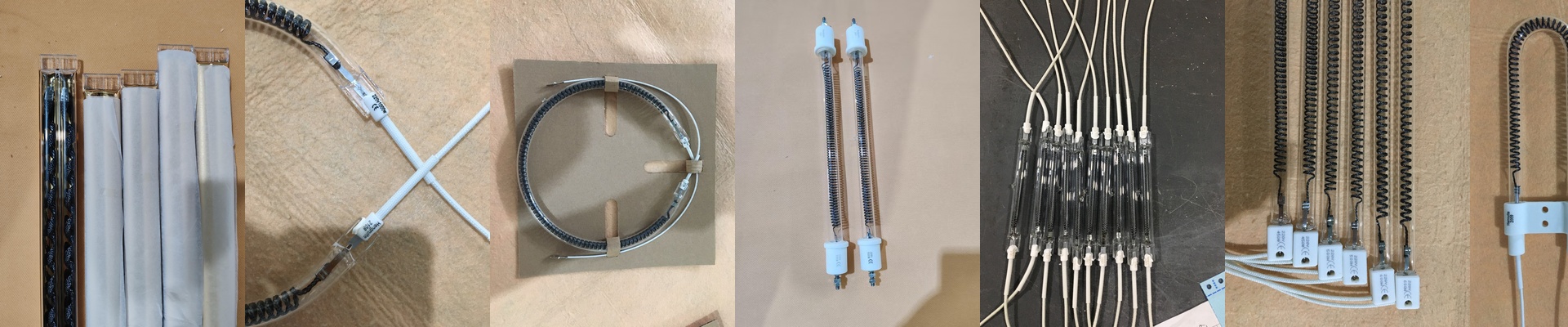
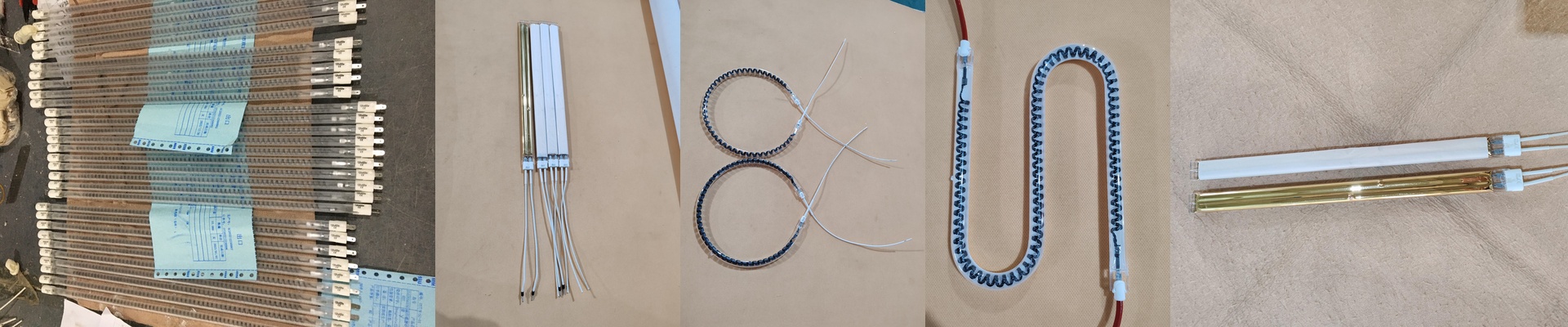
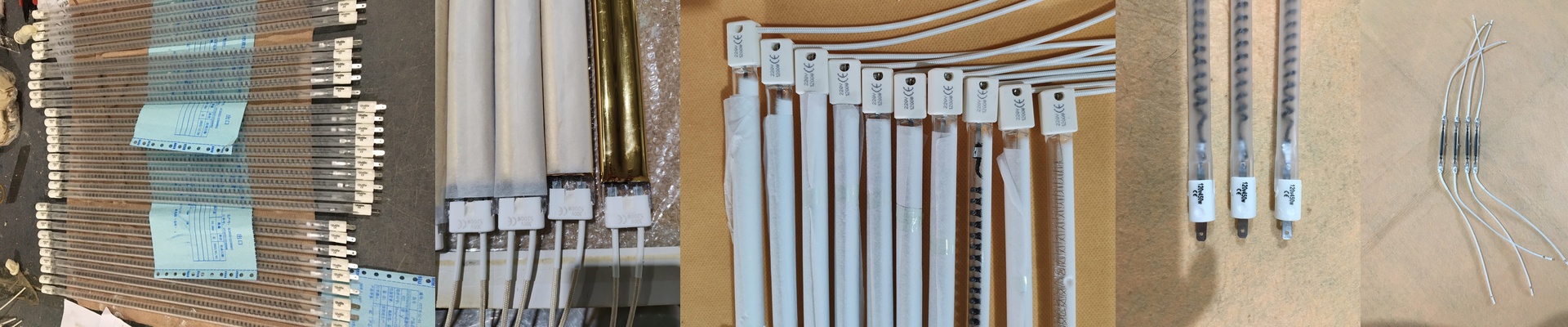
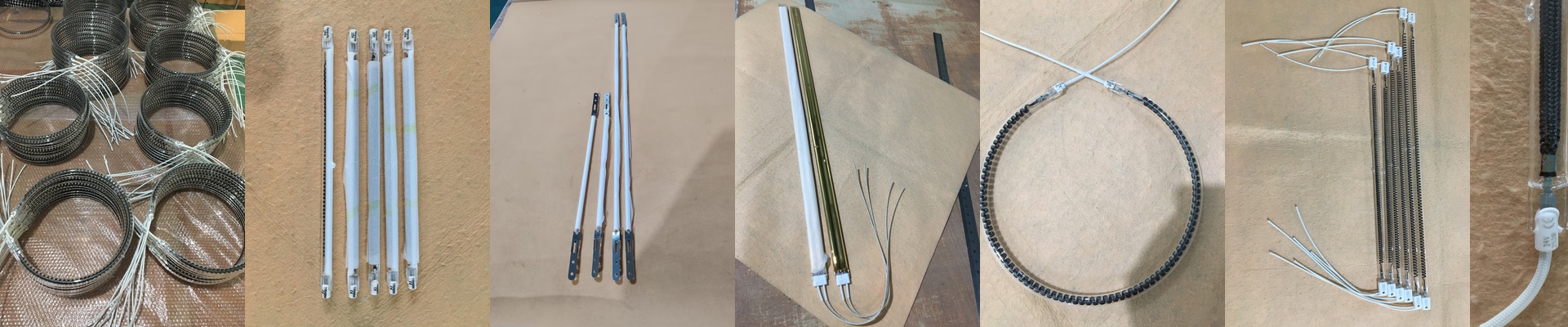
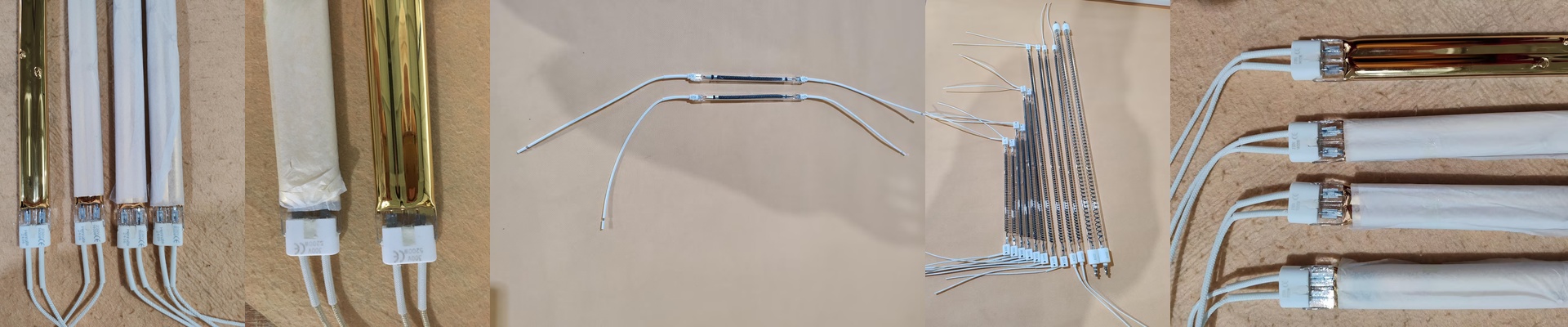
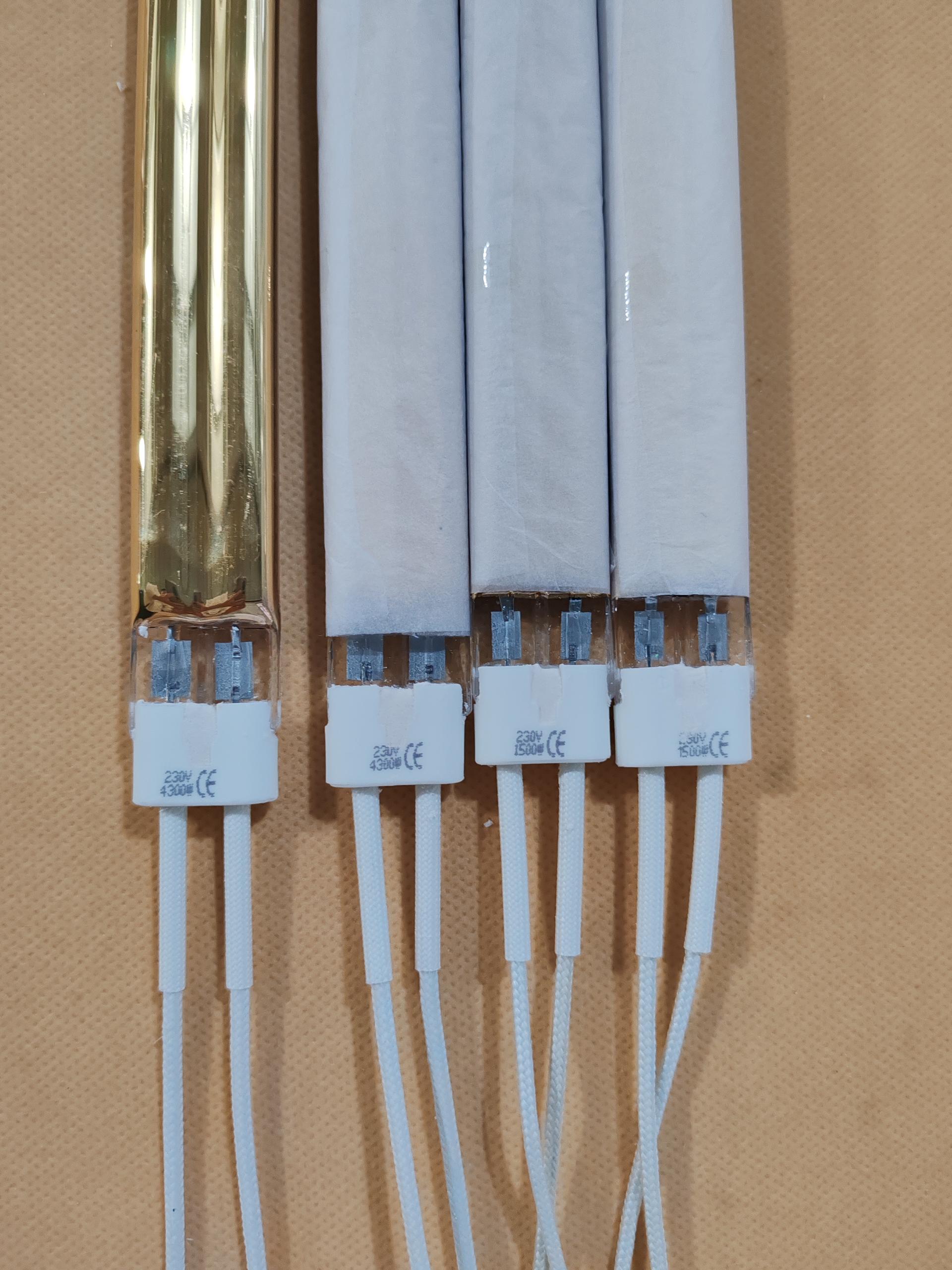
We built this carbon filament infrared lamp for the industrial jobs that demand one thing: raw, focused heat in a small space. Forget the usual heating elements. This one uses a carbon filament tucked inside a quartz tube to blast out shortwave infrared. The payoff? Instant response and power you can feel—perfect for spot heating and production lines.
Power, Voltage, and Size: The Practical Details
Let’s talk specs, because they’re what matter when you’re wiring this into your gear. The standard 400V rating is a smart fit for industrial lines. It means you get the wattage you need without drawing huge current. So your cables stay a sensible size, and you don’t have to worry about voltage dropping off over distance. Then there’s the heat density. A 2500W output packed into a 300mm tube is serious intensity. You get a lot of power without needing a lot of room. That’s great for tight, focused heating zones—but it comes with a heads-up. High power density means you’ve got to plan cooling and clearance. Give the lamp some breathing room, and make sure nearby components can handle the radiant heat. Do that, and you avoid premature failures.
What’s Inside: The Filament, the Tube, the Works
The carbon filament isn’t chosen by accident. It holds up at extreme temperatures and keeps a steady resistance, so it heats fast. Fast start-up is a real relief when you’re on the clock. The quartz tube is more than just a shell. It’s selected for strong infrared transmittance, so more energy gets out and onto the target instead of getting trapped. We also fill the lamp with halogen gas. Why? It slows filament evaporation and keeps output steady over the life of the lamp. No surprises, just consistent performance. And the reflective coating? It does exactly what you want: it pushes heat forward and cuts down on waste going the wrong way. The R7s connector is a practical choice, too. It makes solid contact, handles the current, and lets you drop this lamp straight into existing fixtures.
Where It Shines—and Why It Works
You’ll find these lamps doing the hard work in PET blowing, plastic welding, coating drying, and thermoforming. The shortwave infrared gets in fast and heats the material directly—not the air around it. That means quicker cycle times and less wasted energy. On the install side, it plays nice with existing 400V systems and standard industrial controls. The 300mm tube slips into places other heaters can’t. The R7s termination keeps the build simple. Make no mistake—this lamp is tough. But it still needs respect. Plan your mounting and cooling. Map the heat path. Do that, and you get heating you can count on, day after day, right there on the shop floor.