Let’s Talk Carbon Fiber Heating
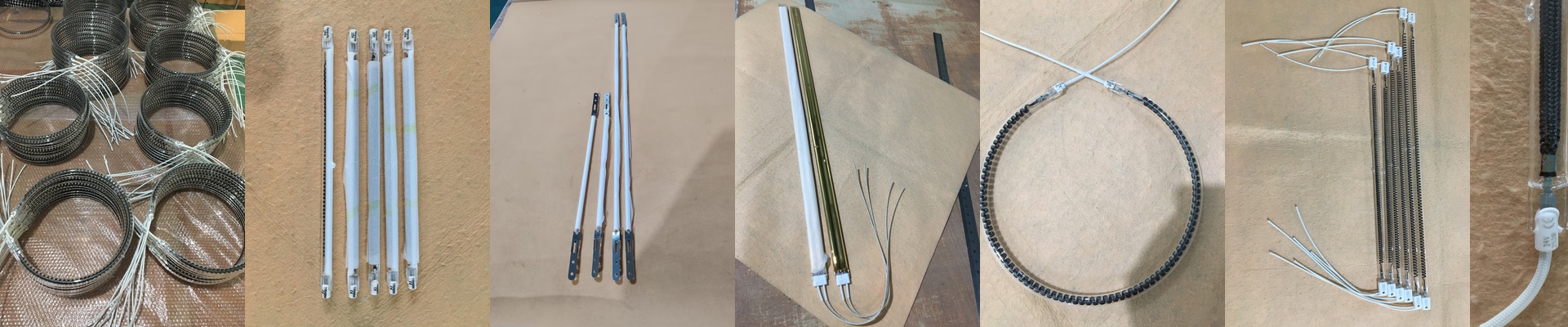
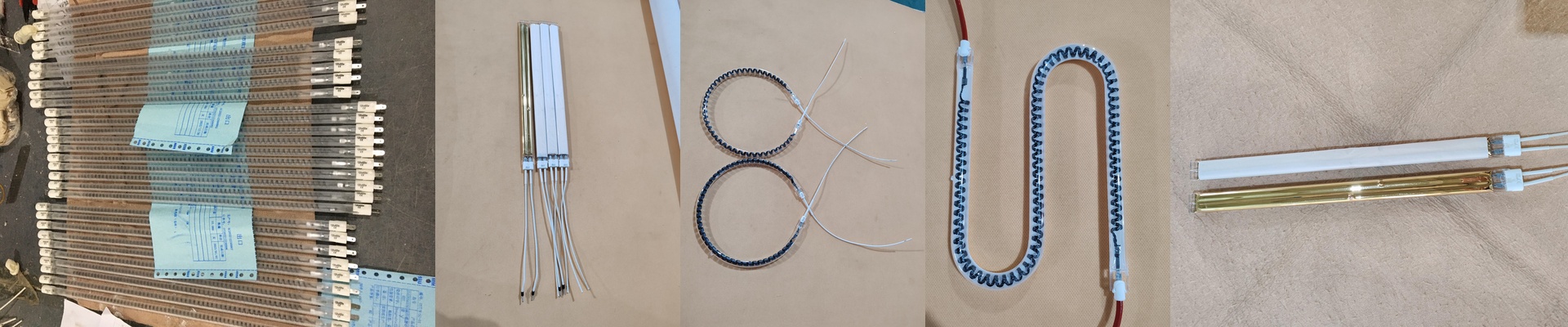
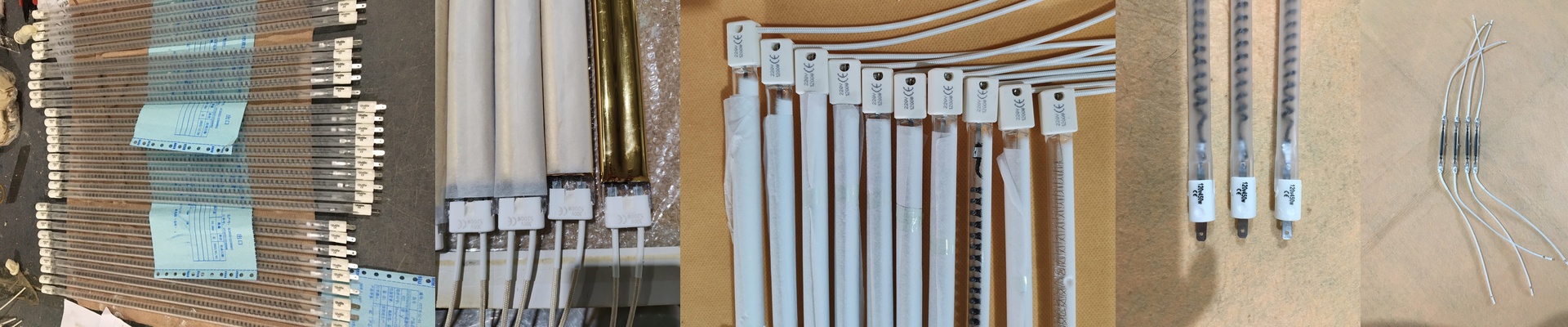
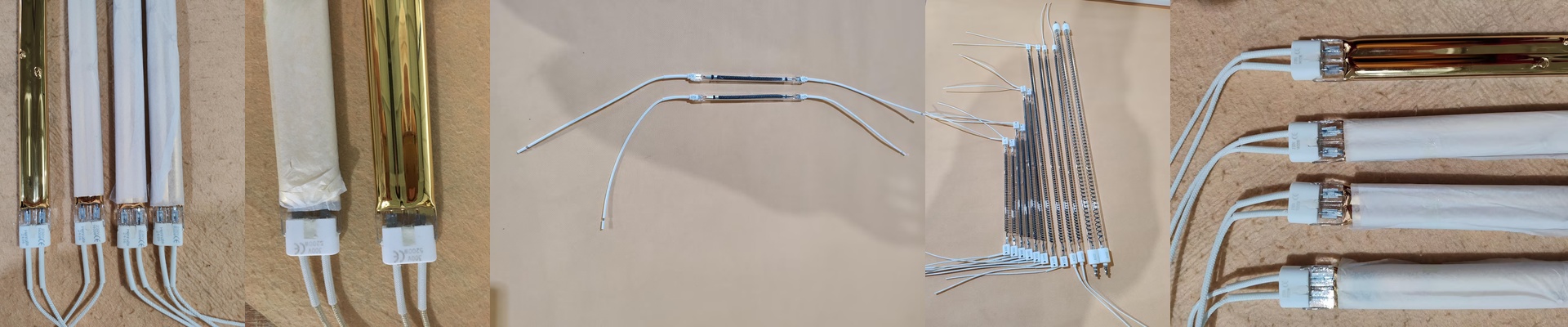
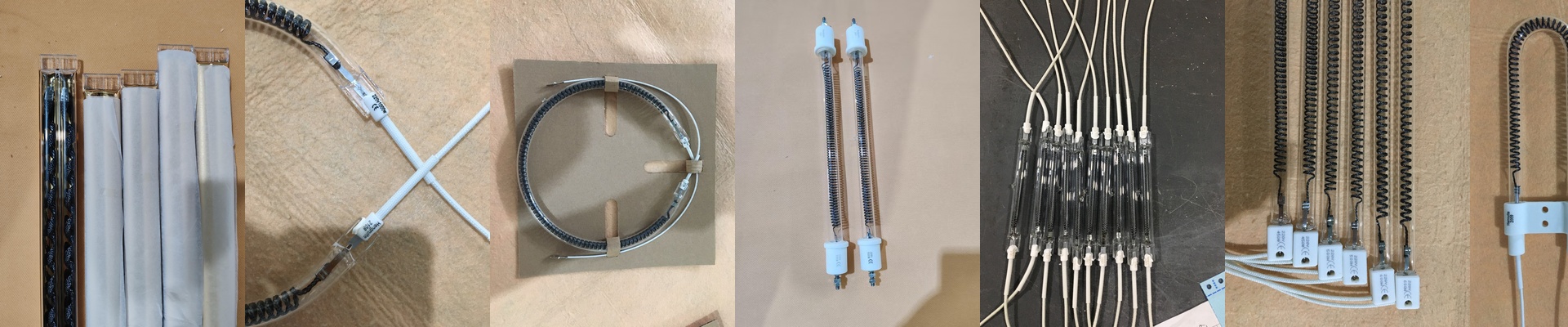
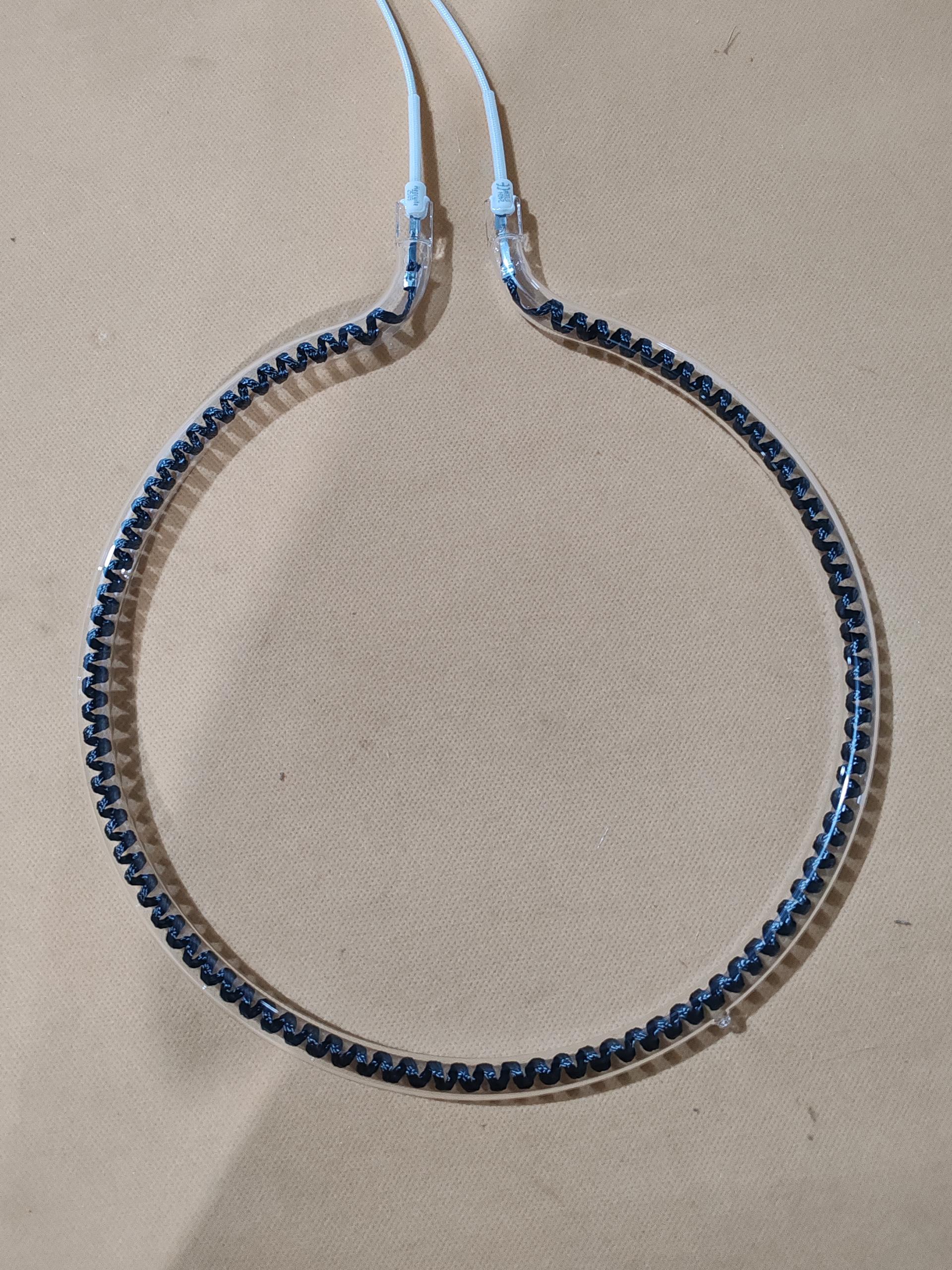
If you’ve ever used standard halogen bulbs, you know the drill. You turn them on, you wait, and eventually, they get hot. Carbon fiber lamps are a different beast entirely. We use a carbon fiber filament tucked inside a quartz tube. The result? It hits operating temperature almost the second you flip the switch. It’s shortwave infrared radiation, which is just a fancy way of saying the heat sinks deeper and faster into your materials. It doesn’t just sit on the surface. Getting the power right When you’re picking out a lamp, it all comes down to voltage and wattage. That’s where your heat density lives. If you cram high wattage into a short tube, you get an intense, focused blast of heat. Running a 230V or 400V system makes things ramp up even faster. But there’s a catch. That kind of intensity puts a lot of stress on the quartz glass. Here is a pro tip:**Keep your reflectors spotless.**If they’re dirty, the heat bounces back into the tube and can burn it out way sooner than it should. The build and the fit We stick with high-purity quartz. Why? Because at peak temperatures, you don’t want the filament reacting with the glass. Depending on your setup, you’ll probably see R7s or SK15 connectors. They’re pretty standard, so they usually drop right into most industrial ovens without a fight. Some of our versions even have a special coating. This is a lifesaver if you need to heat a specific material without scorching the top layer. Putting it to work You’ll see these things everywhere—PET blowing, curing paint, welding plastics. Because they respond so quickly, you can use PID controllers to tweak the heat in real-time. This is huge when your conveyor belt slows down; it keeps your product from overheating and ruining the batch. Pair it with a solid-state relay for the smoothest cycling. Just one thing to keep in mind: these lamps are delicate. A bit of mechanical vibration on a shaky assembly line can snap that carbon filament. Use dampened mounts, and you’ll be golden.