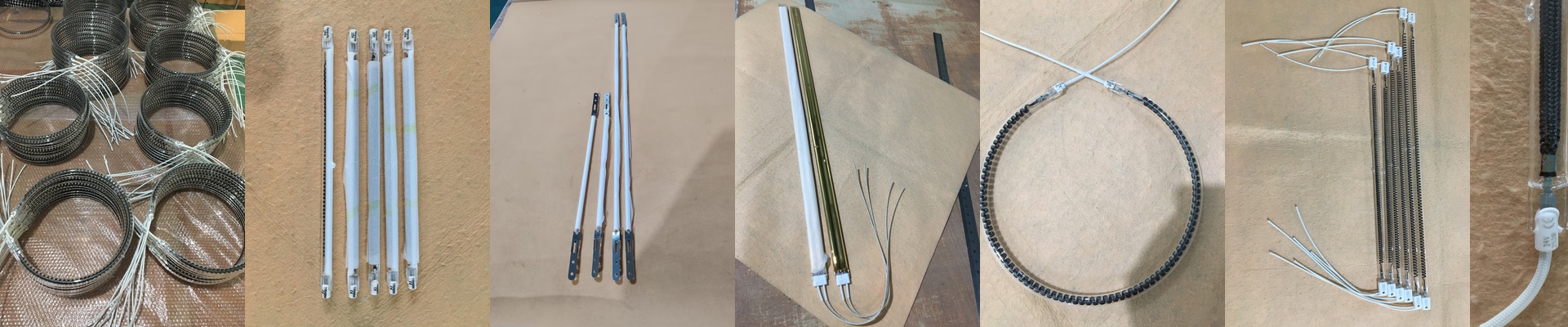
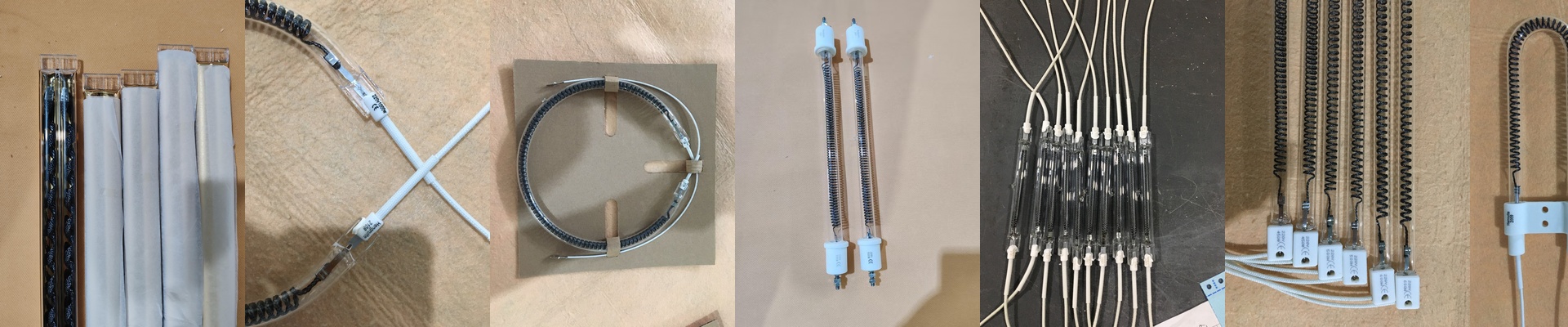
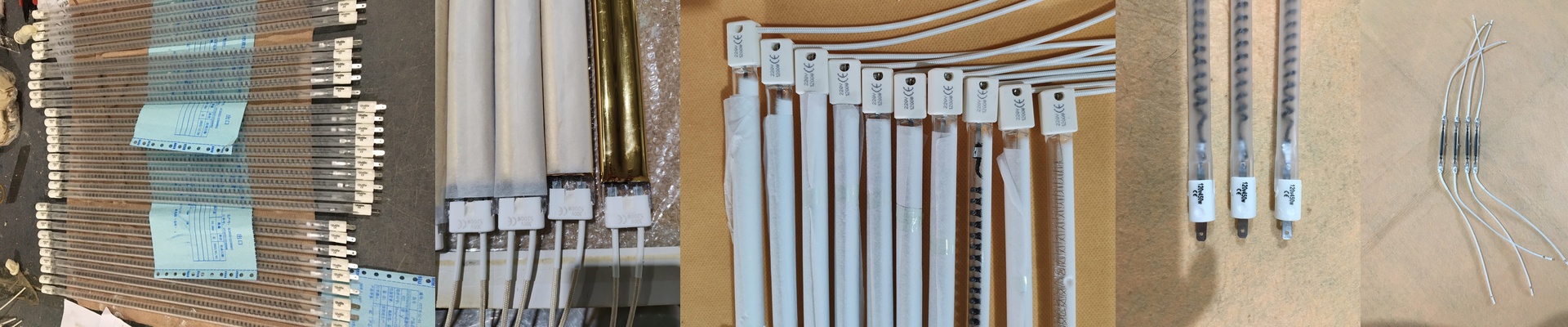
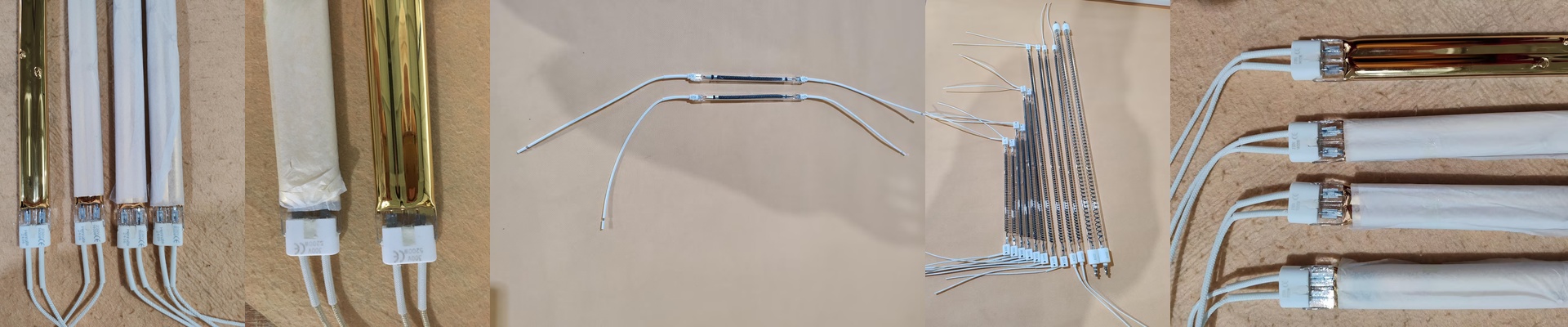
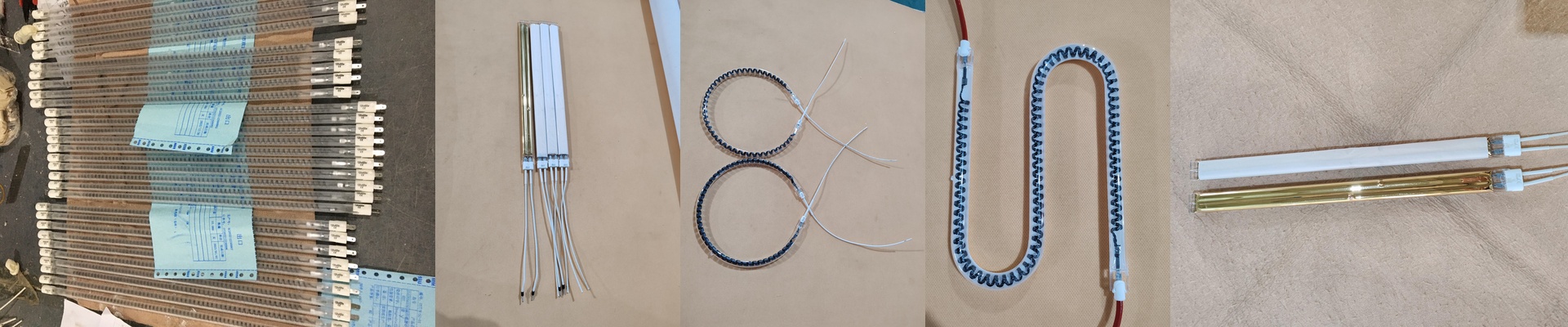
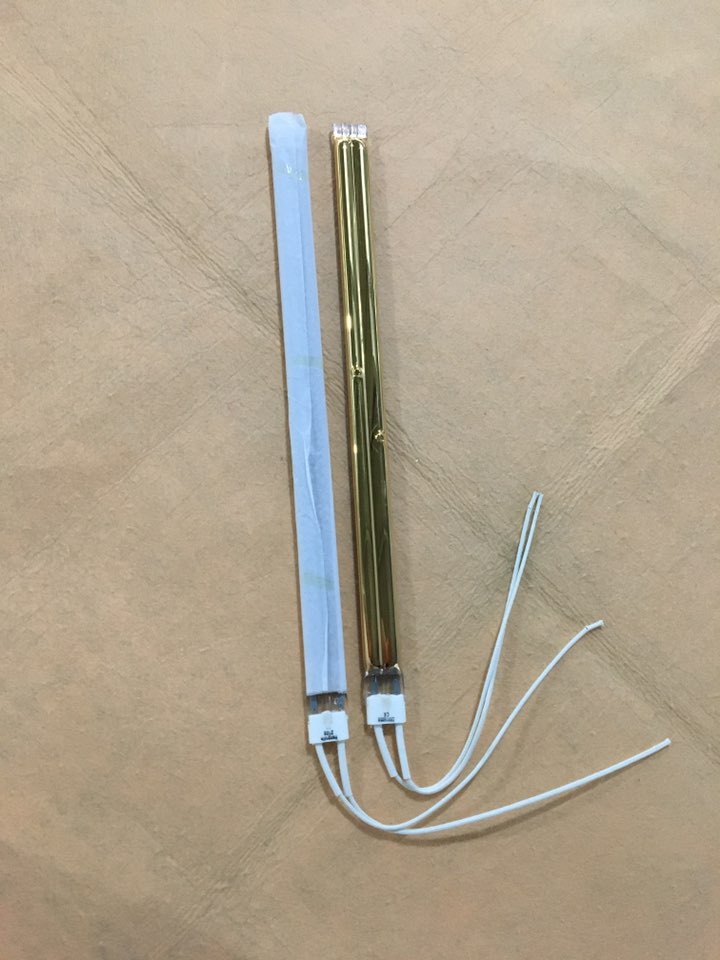
600mm 220V 1000W IR Carbon Fiber Heating Lamp: Power, Precision, and the Right Profile
We built this 600mm infrared carbon fiber heating lamp for engineers who need heat they can count on—especially when space is tight. It slips right into line equipment as a direct replacement, where you can’t spare an inch and the heat has to come on fast. The whole point is simple: give you steady, controllable infrared output without blowing your electrical budget.
The Specs, Straight Talk
It runs at 220V and 1000W, so the power draw is predictable—easy to plan for when you’re laying out a control panel. The 600mm length spreads that power across a defined heating zone, so you can match your line width without stacking a bunch of units. This is compact, high-density heat. Here’s the trade-off, plain and simple: you get intense, focused energy. That means your enclosure has to be ready to handle it and shed heat. If your machine runs long cycles, ventilation and keeping things thermally separated aren’t optional.
Why Carbon Fiber and IR Make Sense
Carbon fiber elements heat up quickly and hold their resistance steady, so once you hit the setpoint, the heat stays consistent. The infrared output targets the absorption bands you find in plastics and coatings, so the energy goes where it’s needed—without turning the whole machine into an oven. The quartz envelope can take high temperatures and stands up to the chemicals and grit of a shop floor. And we pair it with an R7s base, so you get a secure, aligned connection that wires up fast and can be swapped out on the spot when you need to.
Where It Shines: Fast, Controllable Heat
This lamp is for the moments when you need heat that’s both fast and controllable—plastic forming, curing, drying, pre-heating. With 220V power, 1000W output, and a 600mm profile, it’s a drop-in module that fits into existing lines without forcing a redesign. You get quicker ramp-up than a lot of resistance heaters, stable output once it’s at temperature, and a footprint that slips into standard machine channels. Just set up proper cooling and give it the right mounting clearance, and it will do its job—reliably, cycle after cycle.