Getting Your Custom Carbon Fiber Heating Lamps Right
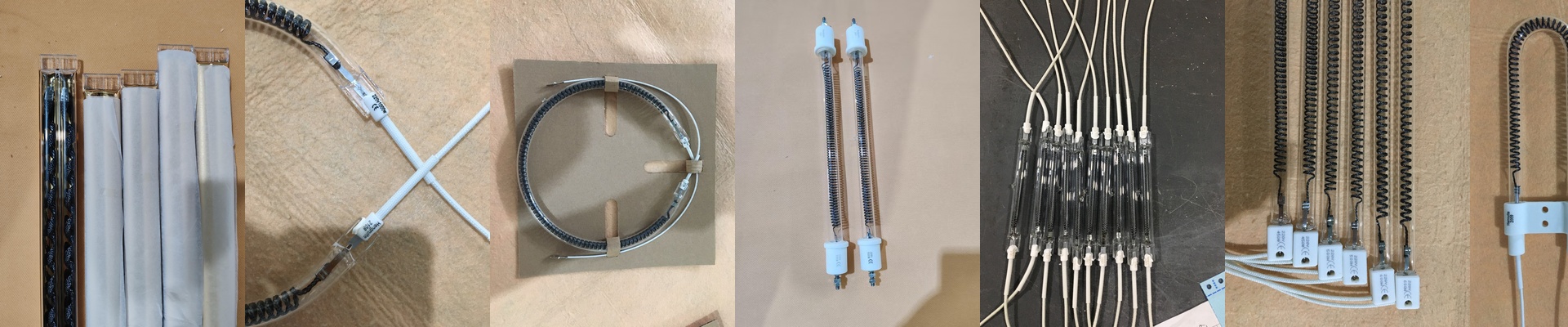
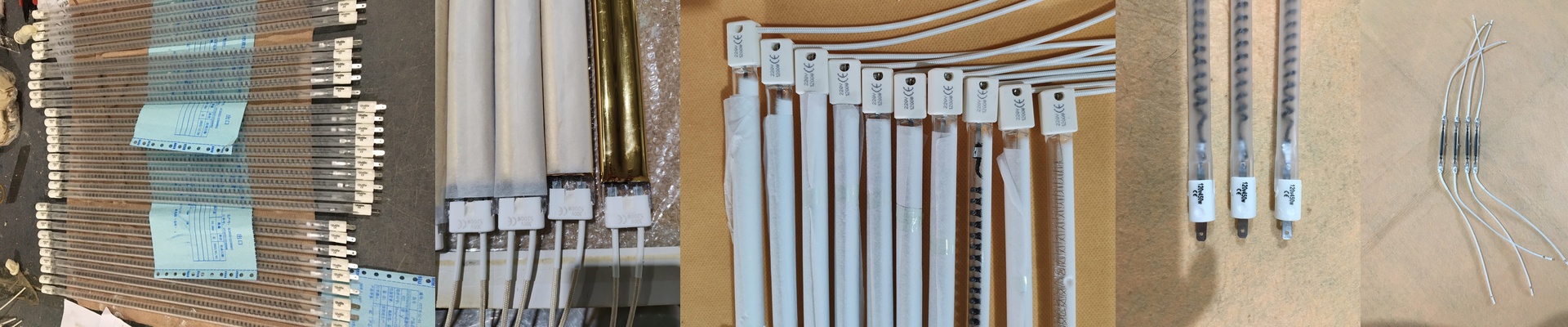
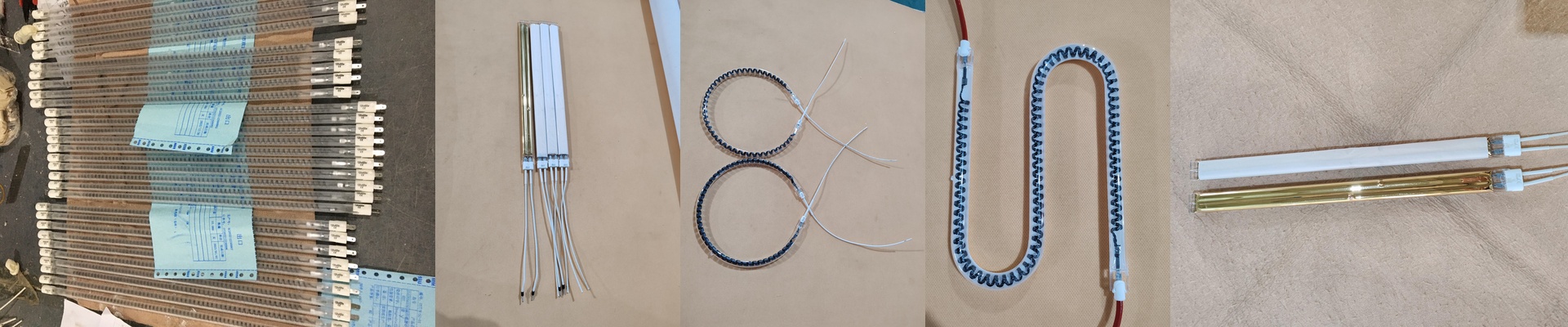
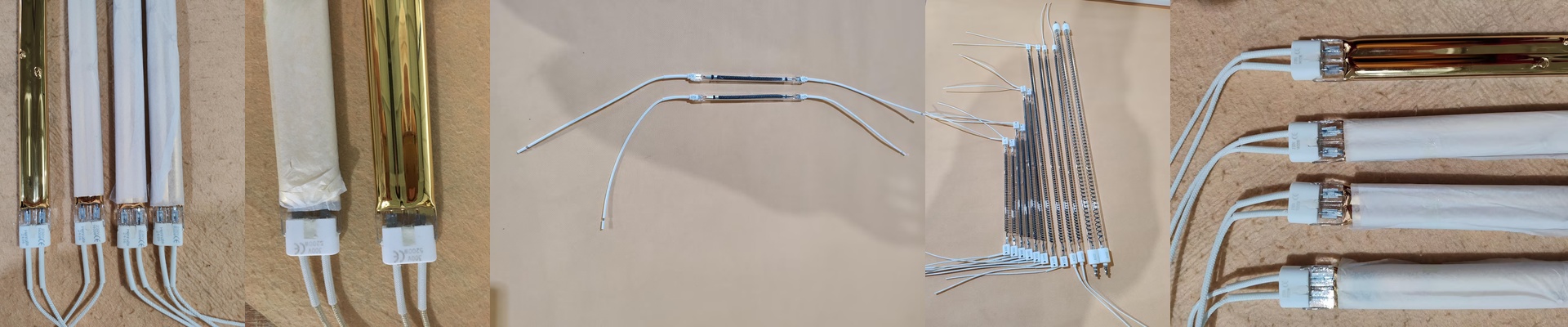
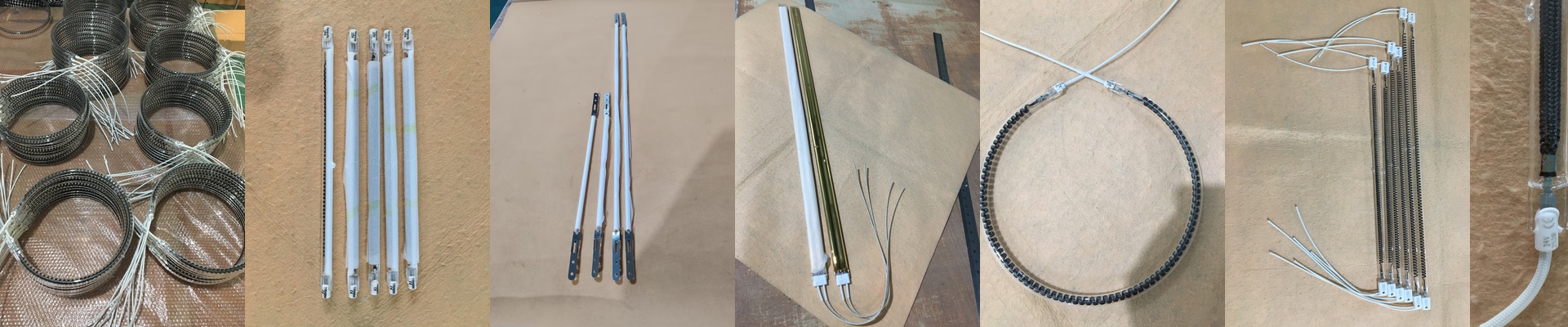
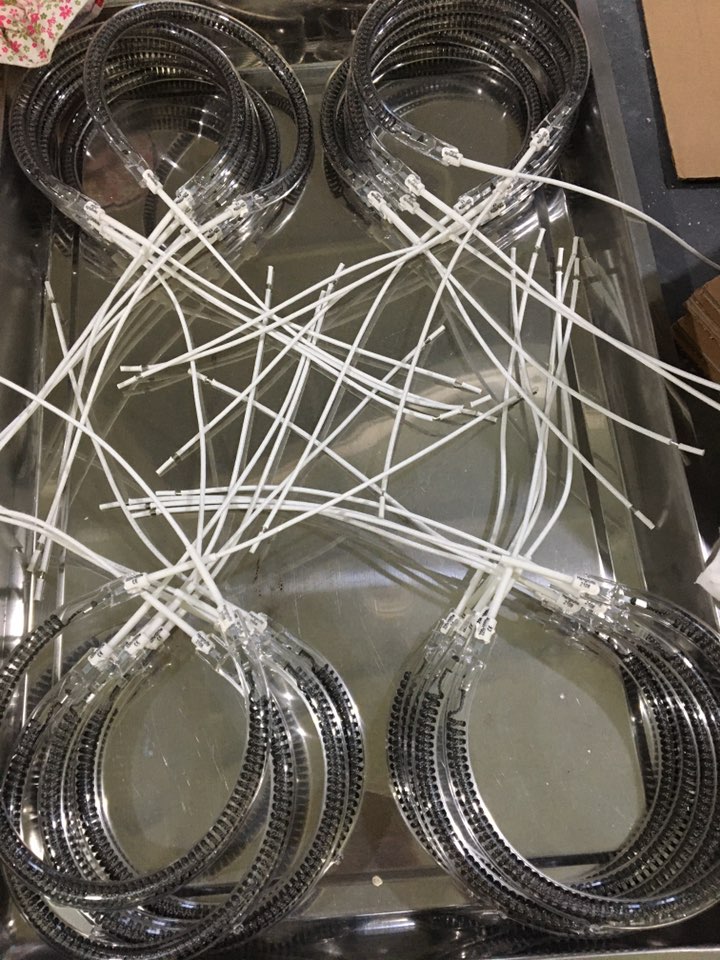
Most heating lamps use old-school metal filaments. We do things a bit differently. We use a carbon fiber core tucked inside a quartz glass tube. Since every production line is different, we don’t do “one size fits all.” We build these to your exact voltage and wattage so the heat hits exactly where and how you need it.
Let’s talk power and heat
Here is the thing: the relationship between your voltage and the length of the tube is what actually drives your heat output. If you go with a higher voltage, you can run longer tubes without losing power. And if you need a high-wattage setup? You’ll see your materials hit the target temperature in seconds. It’s fast. Really fast. But a word of caution. If you cram too much wattage into a tiny space, you have to be careful with your mounting brackets. If they put uneven pressure on the quartz, the tube can crack. It’s a simple fix, but it’s worth double-checking.
The build: Quartz and Connectors
We use high-purity quartz because it handles thermal shock like a pro. It also lets that short-wave IR heat pass right through without wasting energy. As for the wiring, we usually go with R7s or Sk15 connectors. They’re designed to be drop-in replacements, so you shouldn’t have to rewire your entire heating bank just to get these running. And if you’re dealing with chemical fumes or need the heat to bounce back toward your workpiece, let us know. We can add a specialized coating to the glass to handle that.
Making it work in your shop
You’ll see these lamps all over PET blowing and plastic welding. The best part is the focus. You get a concentrated zone of heat that doesn’t bleed over and bake the rest of your machinery. It gives you a ton of control over the heating curve. Just keep two things in mind. First, carbon fiber is a bit sensitive to vibration. If your machine shakes or oscillates heavily, use dampened supports. Otherwise, you’re looking at a burnt-out filament way sooner than you’d like. Plus, make sure you’ve got decent ventilation. If you’re running 24/7, those connector terminals can get pretty hot, and a little airflow keeps everything safe.