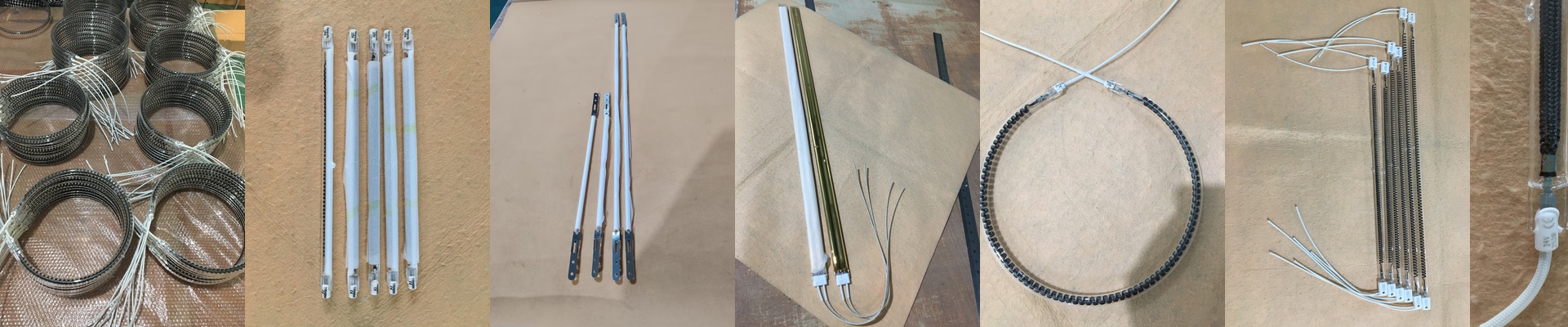
Getting Carbon Fiber Heaters Right for Heavy Thermal Loads
Here is the deal with carbon fiber heating elements: they work by pushing electricity through a conductive filament to create heat. But unlike the old-school metal alloys you’re probably used to, carbon fiber doesn’t have nearly as much bulk. That means less “thermal inertia.” In plain English? It doesn’t take forever to get hot, and it doesn’t hang onto heat longer than it needs to.
Speed and Stability
When we’re sizing these things, we look at the wattage per linear centimeter. One of the best parts about carbon fiber is that it doesn’t really budge when things get scorching. No sagging, no warping. Because the filaments stay straight, you can keep the heater tucked tight against your workpiece. This is where you really feel the difference. You get a much faster ramp-up. Plus, since there’s so little mass, your PID controller can actually do its job without the temperature swinging wildly past your target. It’s snappy.
The “Gotchas” and Breaking Points
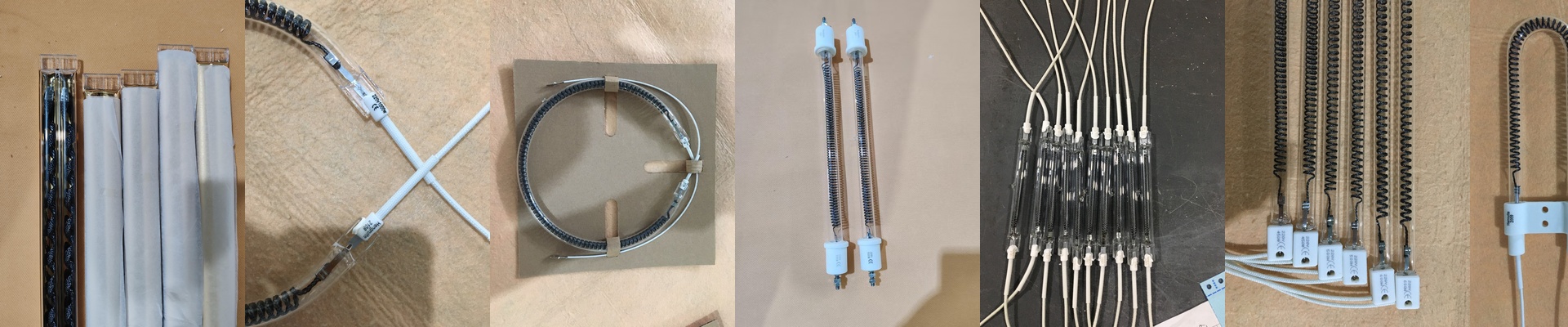
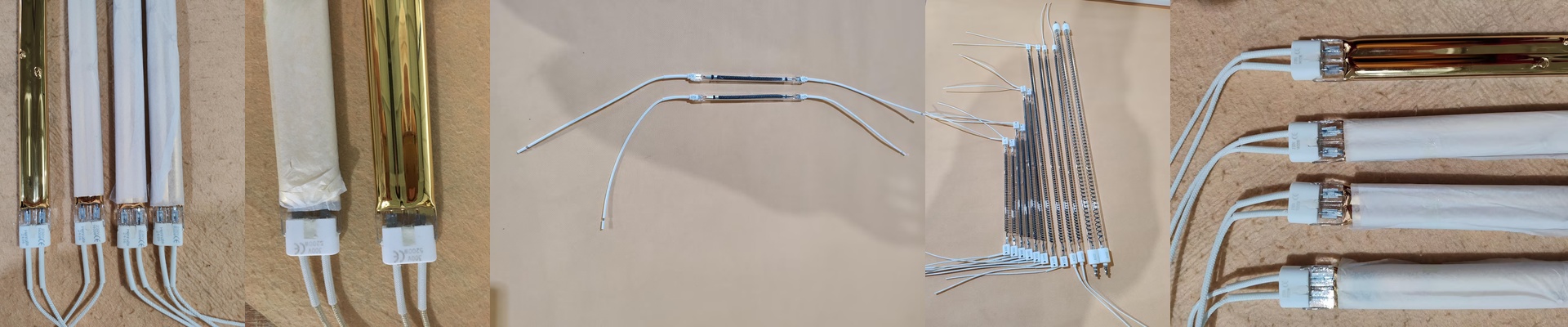
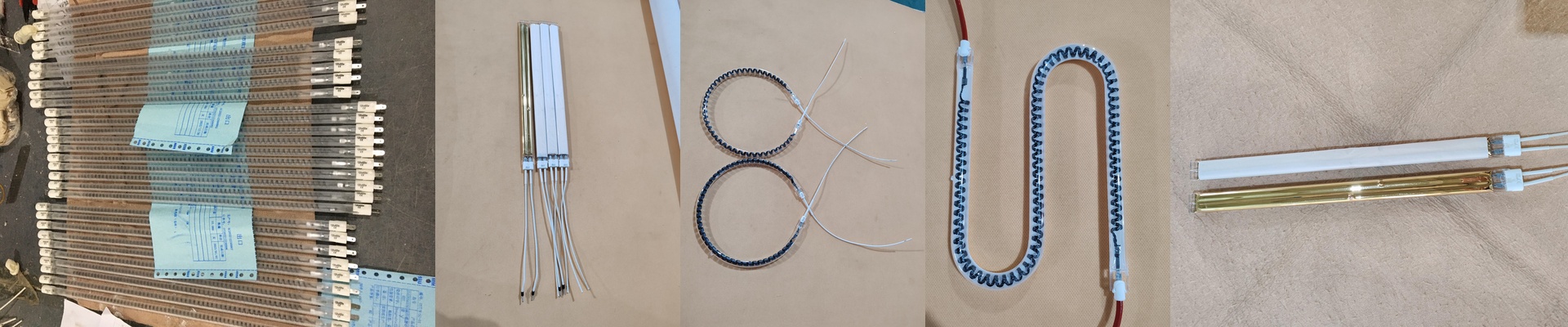
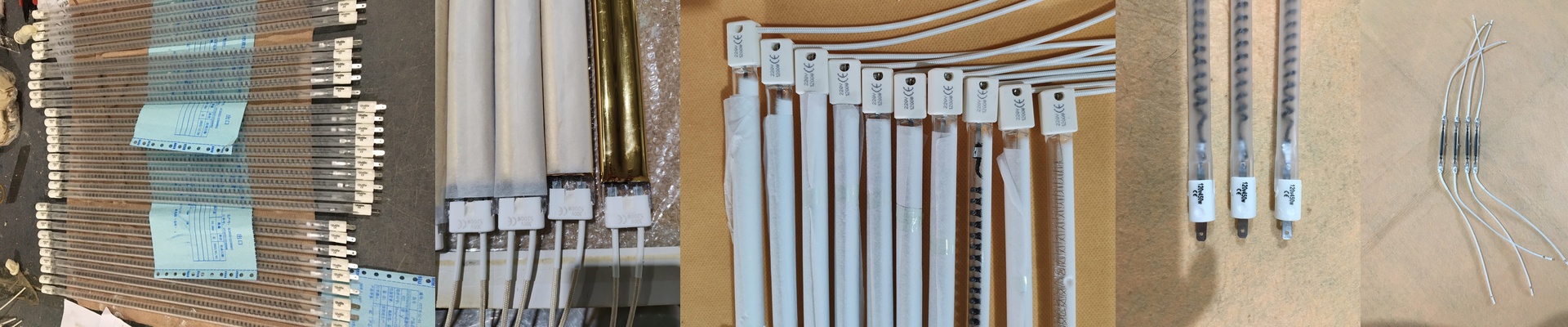
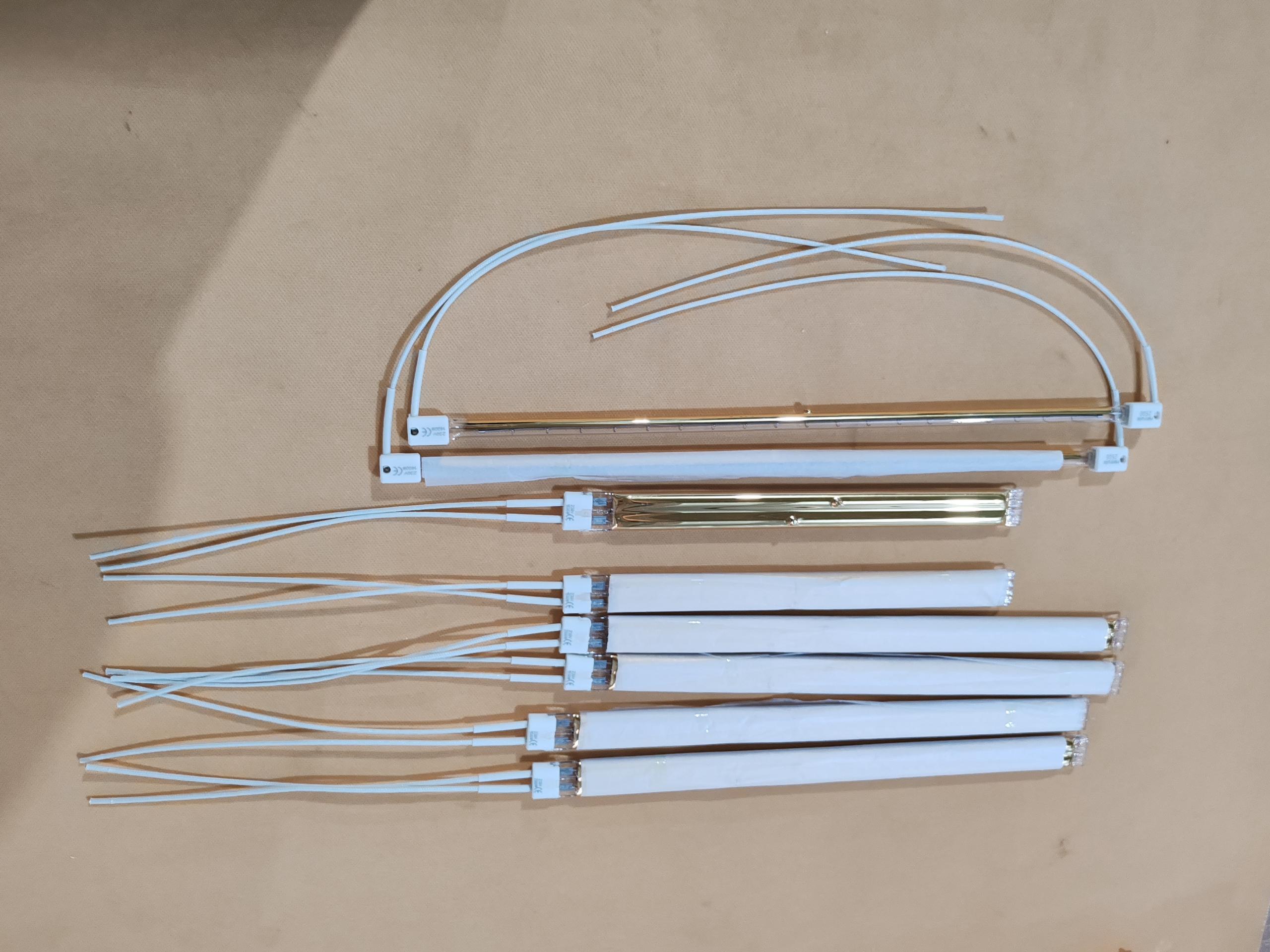
Now, you can’t just leave the carbon exposed. If oxygen hits those filaments at high temps, they’ll burn out in a heartbeat. To stop that, we tuck them inside quartz or ceramic sleeves. We go with high-purity quartz because it lets the infrared light pass through without blocking the heat. But here is where people usually mess up:the wiring. Carbon fiber is picky about voltage. If you hit the system with a sudden spike, you’ll pop the filament right at the connection point. Just make sure your power supplies are steady, or you’ll be swapping out parts way more often than you’d like.
Making it Work in Your Setup
If you’re currently using metallic IR lamps, these usually slide right in. They also put out a wider spectrum of heat, which is great if you’re trying to cure or dry something thick. It actually gets into the material rather than just baking the surface. But there’s a catch. Carbon fiber is brittle. If your machine shakes or vibrates, those filaments can snap like a toothpick. You’ve got to be obsessive about your mounting brackets. Isolate the heaters from any mechanical shock. If you’re running a loud, vibrating shop floor and you skip the reinforced supports, you’ll be replacing tubes every single week. Not a fun way to spend a Friday.