Introduction
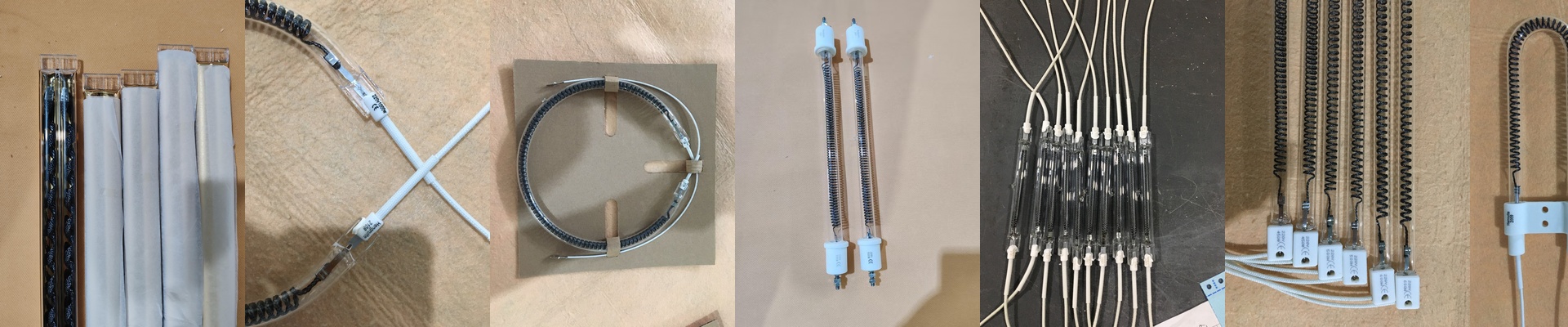
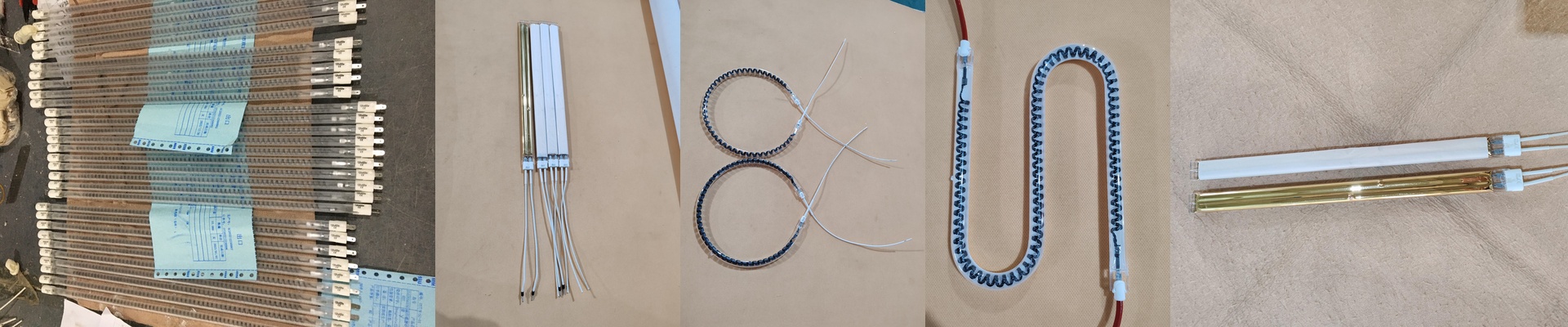
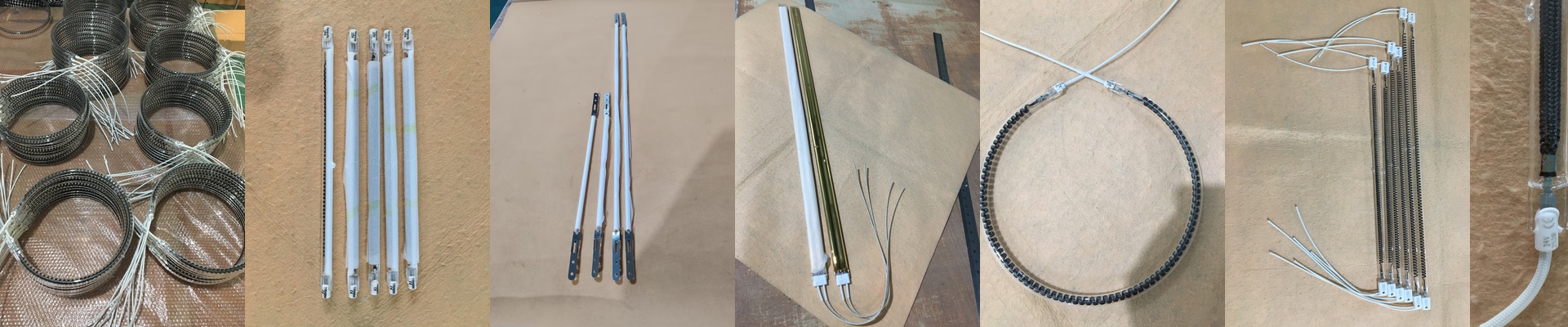
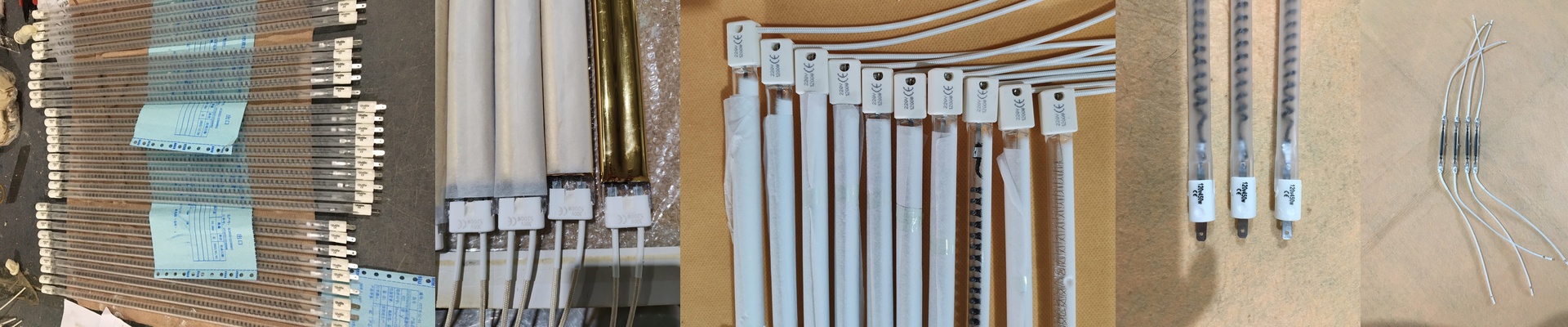
We built this infrared heater element with one clear mission: to give your Mimaki JV300 the heat it needs, without compromise. It’s a drop-in replacement that matches the original’s heat profile, but built tougher and designed to fit like it was meant to be there. And if you’re running an MHM-compatible machine, it’s engineered to hit the same performance marks you expect.
Power, Voltage, and Size: The Real Numbers
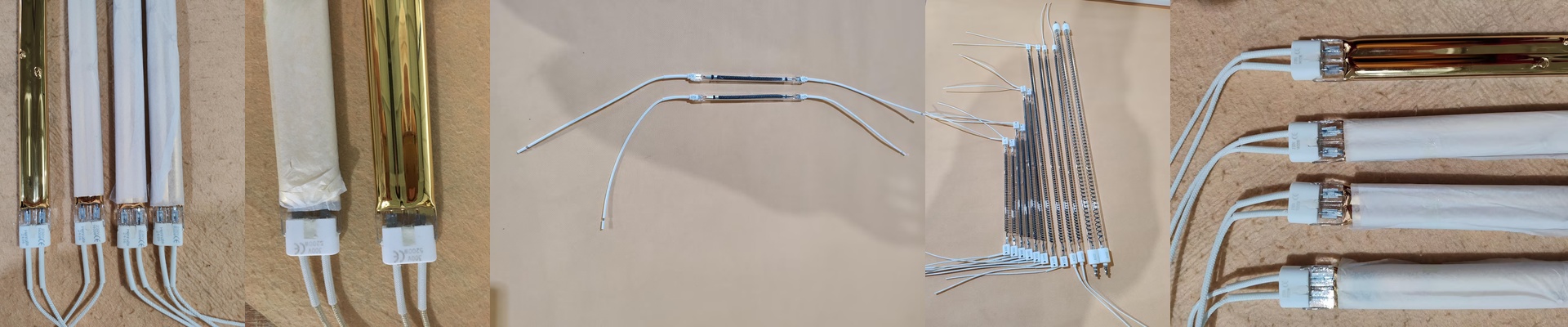
At the heart of this heater is 2500W of power, typically running off a 400V supply. That wattage isn’t a luxury—it’s essential. It gives you the heat density needed across the 300mm tube length, so your substrate gets up to temperature fast and holds steady, even when you’re printing at top speed. And the length? It’s precisely matched to the print head, so the heat lands exactly where the ink needs to set.
Material and Design: Why It Stays Cool Under Pressure
Inside, you’ll find a shortwave halogen element housed in a quartz tube. This setup lets the filament run hot while the quartz stays stable, which means quick response and output you can count on. The exterior is coated with a specialized layer that protects the quartz from contamination and handles the shock of rapid on/off cycles. And the R7s connector? It’s the standard for a reason—industrial-grade, high-current safe, and makes wiring straightforward and secure.
Real-World Performance: What It Feels Like on the Floor
In practice, this heater keeps pace with the machine’s cycle rate without lag. The high heat density delivers the temperature rise you need, but yes, it does put real demand on the surrounding electronics. That’s the trade-off: serious heat. So your cooling system has to be up to the task of managing the ambient heat from a 2500W tube. This element is built to take the strain—just make sure the rest of your setup is ready for it.
Why It Matters: Tough, Simple, Reliable
This heater is made for the industrial floor. It drops right into Mimaki JV300 applications and meets the thermal needs of MHM-compatible systems. The result is stable temperature control, which means consistent print quality and fewer unexpected stops. For engineers, the real win is reliability and a clean install. Wire it up, set your parameters, and let the machine run. No second-guessing—just heat you can count on, shift after shift.