Technical Deep-Dive: Power, Voltage, and Dimensions
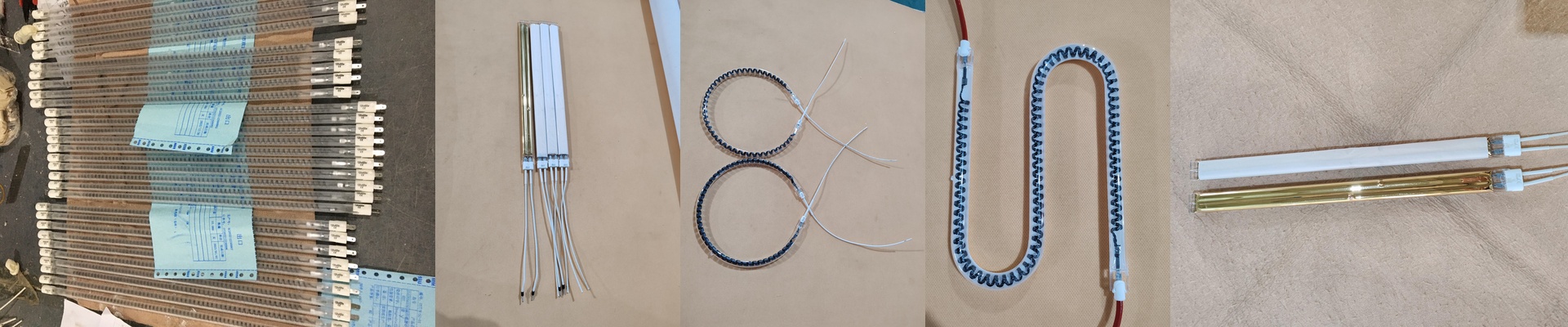
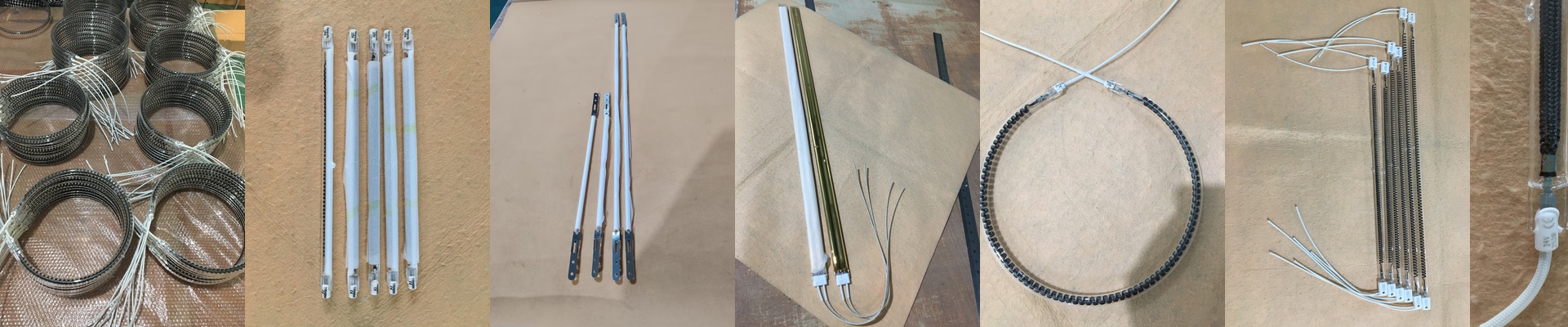
Let’s talk about getting the fit right. We build EFI industrial printer dryer lamps to match your machine exactly—not the other way around. Your printer calls for a certain voltage, a certain wattage, and a certain footprint. So that’s what we deliver. These lamps typically run at 400V or 230V, cranking out 2500W to 3500W of focused heat. The tube length is cut to match the dryer section, usually somewhere between 300mm and 450mm. That kind of power density is exactly what you need to flash-dry inks and coatings on high-speed lines. The voltage choice comes down to the machine’s electrical setup—400V setups cut down on current, which means smaller wiring and less stress on contactors. But here’s the catch: that much heat packed into a tight space needs serious cooling. If your printer’s airflow is weak, the lamp—and the electronics around it—will run hotter than they were designed for.
Material and Design: Halogen, Coating, and Connectors
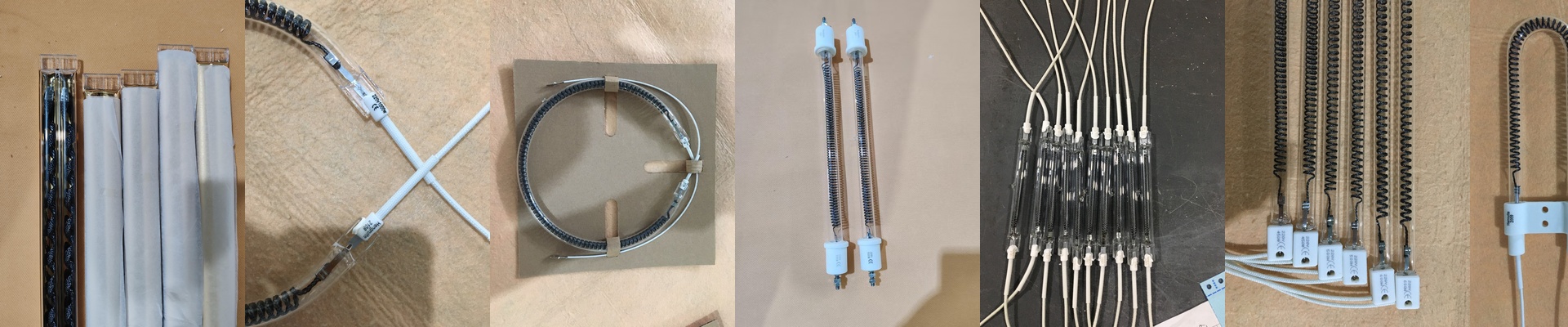
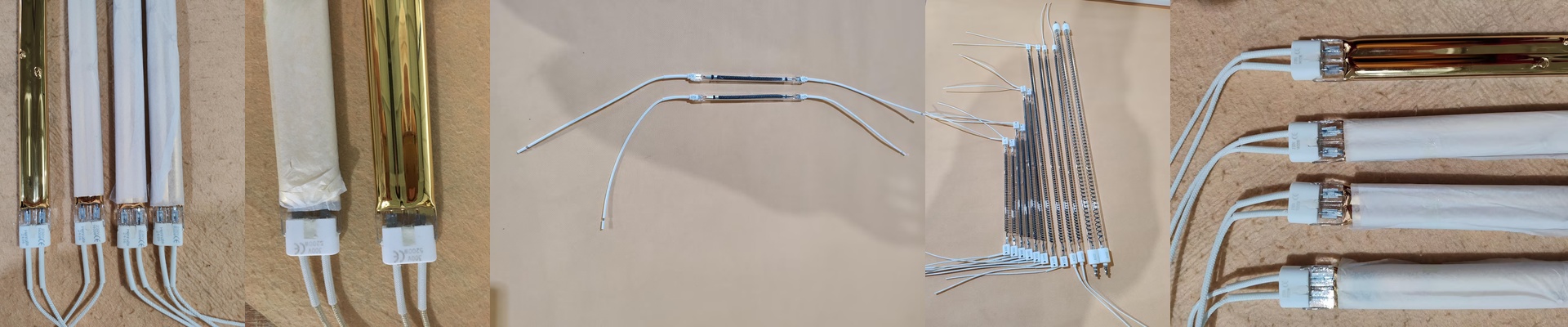
We use halogen-filled quartz tubes because they take the heat swings in stride. The halogen cycle keeps the tungsten filament stable, so the lamp stays consistent and doesn’t get that blackened look over time. We also add a reflective coating on the quartz. It pushes infrared energy down onto the substrate instead of radiating it sideways. That means better thermal efficiency, and it helps protect the printer’s internal parts. And connectors? They matter more than people think. We go with R7s and Sk15 fittings because they’re secure, handle high current, and are easy to wire. They snap in and lock, so the lamp stays put even when the machine is vibrating. And they’re built to survive the heat—no worries about the housing melting.
Application and Benefits: Solving the Engineer’s Problem
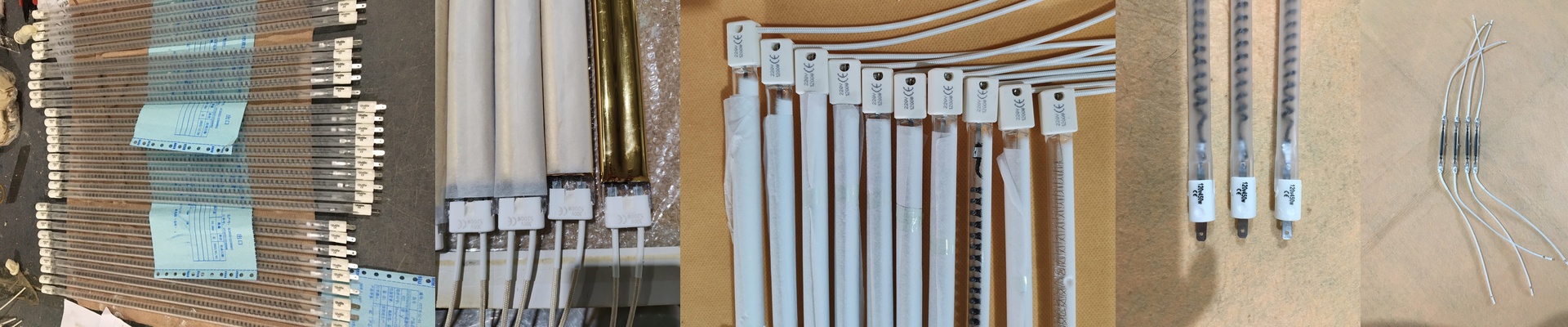
If you’re running a mainstream global printer, you know the headache: finding the right lamp for the exact model. We match the wattage, voltage, length, and connector type to the OEM spec, so it’s a direct drop-in replacement. No guesswork. No modifications. It installs fast, which means less downtime, and it’s built for the daily grind of continuous printing. The focused infrared heat dries the ink without scorching the substrate, so your print quality stays steady. But there’s a trade-off you should know: that fast drying performance depends on your printer’s ventilation and cooling being in good shape. If the airflow isn’t there, the lamp will run hotter than it should—and that shortens its life.