Getting Your Tunnel Oven to Actually Behave
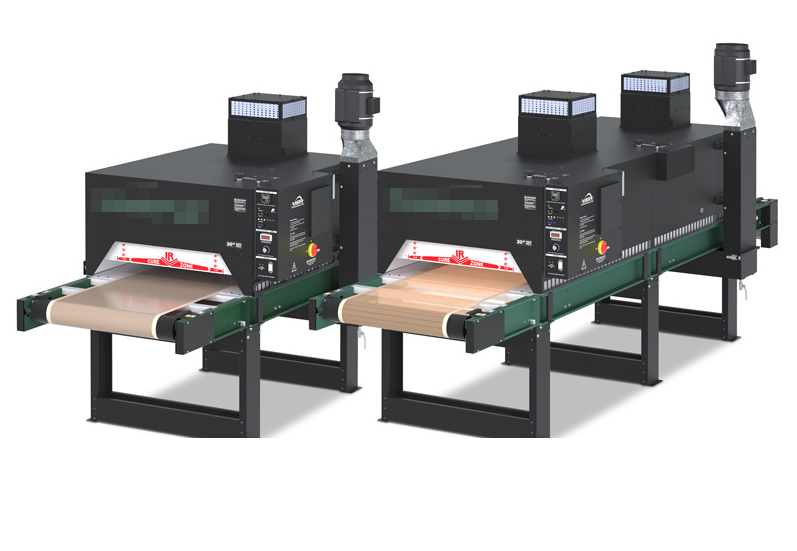
If you’re running a long tunnel oven, you know the struggle. It’s not just about cranking up the power. The real headache is trying to keep the heat steady from one end to the other without your bulbs popping every other week. Especially with Adelco-compatible setups, you’re fighting a constant battle against burnout.
The secret to bulbs that actually last
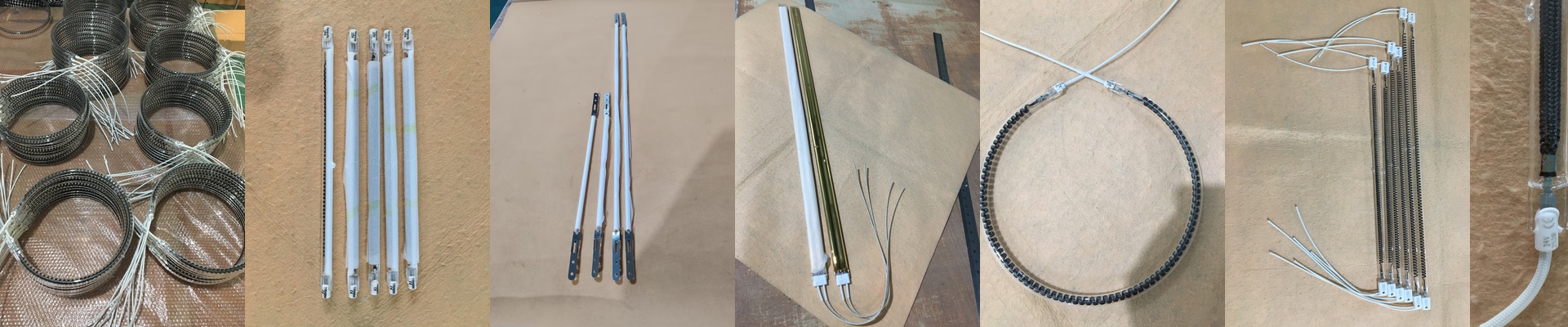
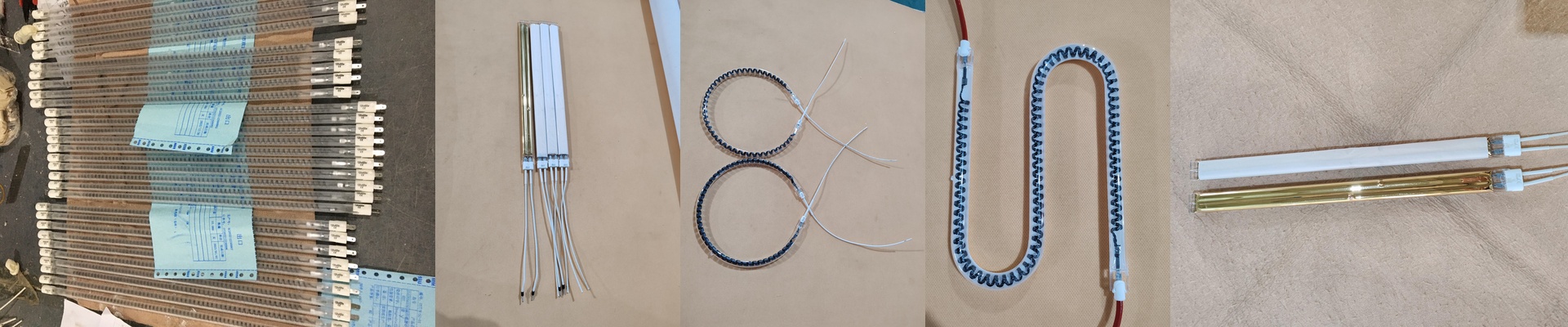
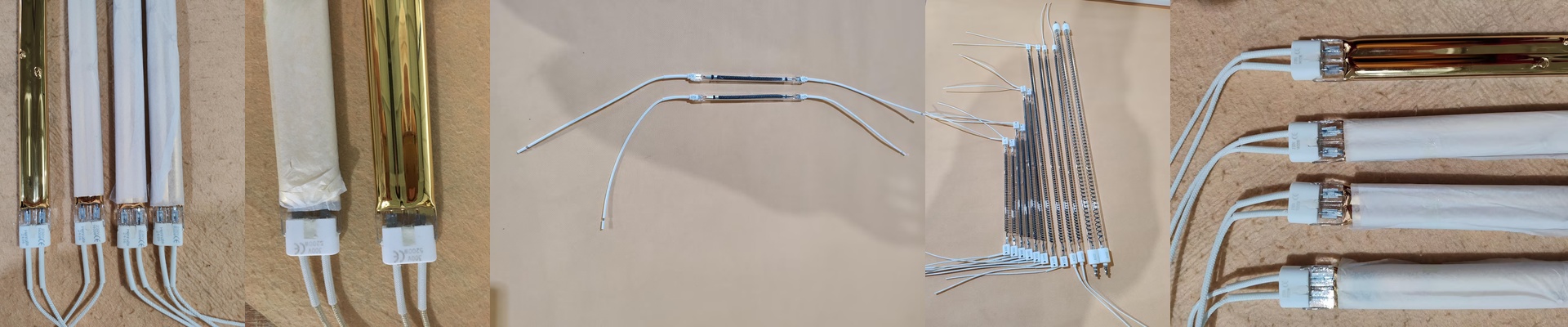
Here is the thing about heating: it’s all a balancing act between your voltage and the filament load. When we set these up, we spend a lot of time obsessing over how the heat is spread out. If the voltage is too high for the length of the tube, you get these nasty hotspots. They basically eat the tungsten filament alive. To stop that, we use specific halogen cycles. It sounds fancy, but it basically just pushes the evaporated tungsten back onto the filament. That’s how you keep the bulbs alive during a long shift.
Fitting them in
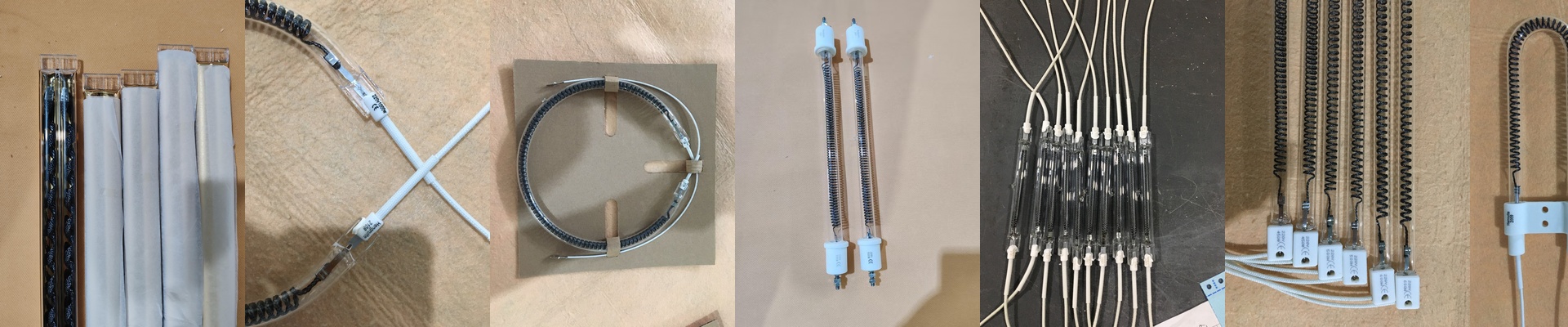
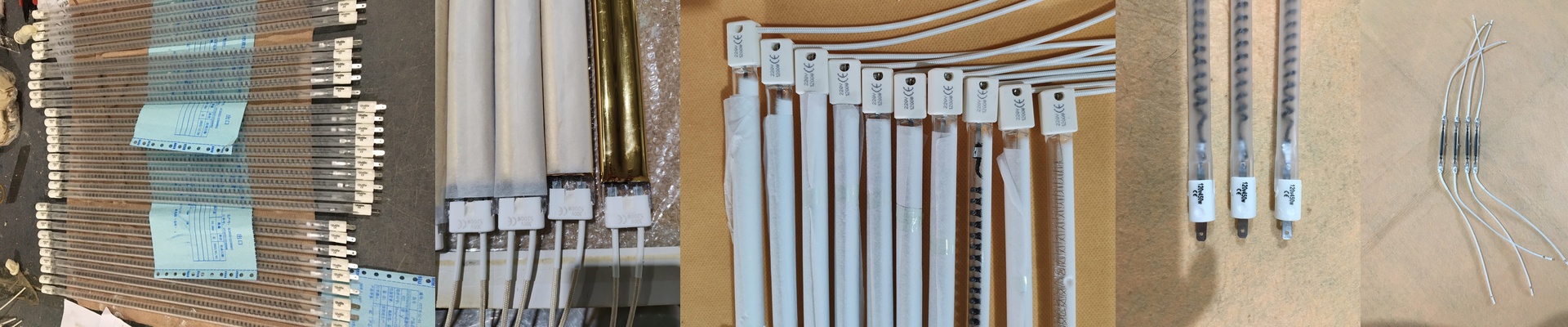
We made these as drop-in replacements because nobody wants to spend a weekend re-engineering their line. We use quartz glass because it can take the hit when the temperature swings wildly. One tip:check your connectors. If a terminal is loose, you’ll get an arc. And an arc will melt your housing faster than you can react. Not a great look. Also, we stick with shortwave radiation here. It punches through the material much faster than medium-wave options. The result? Your parts hit the right temperature sooner, and you might even be able to shorten your tunnel.
The “gotchas” (and how to avoid them)
These infrared arrays pack a punch, but they’re hungry for power. If your voltage jumps around by more than 5%, your bulb life is going to tank. It’s frustrating, but it’s the truth. Make sure your transformers are dialed in perfectly before you start. And please, for the love of everything,clean your reflectors. I see this all the time. Operators ignore the mirrors, they get coated in grime, and then the lamp has to run way hotter just to get the part to the right temp. Keep them shiny. Otherwise, you’ll be replacing bulbs twice as often as you need to.