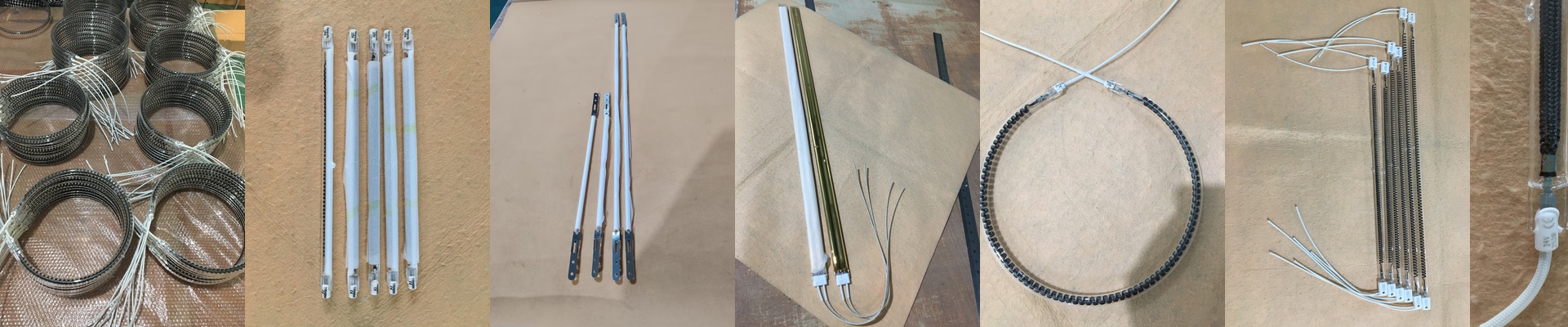
How We Build Shortwave IR Lamps That Actually Work for Flash Drying
Flash drying is a bit of a balancing act. You need the surface temperature to spike instantly—fast enough to blast away solvents or moisture—but you can’t let that heat soak in, or you’ll end up cooking the substrate. That’s why we stick with shortwave radiation. It digs deeper and reacts way faster than the medium or longwave stuff. It just gets the job done quicker.
Getting the Power Right
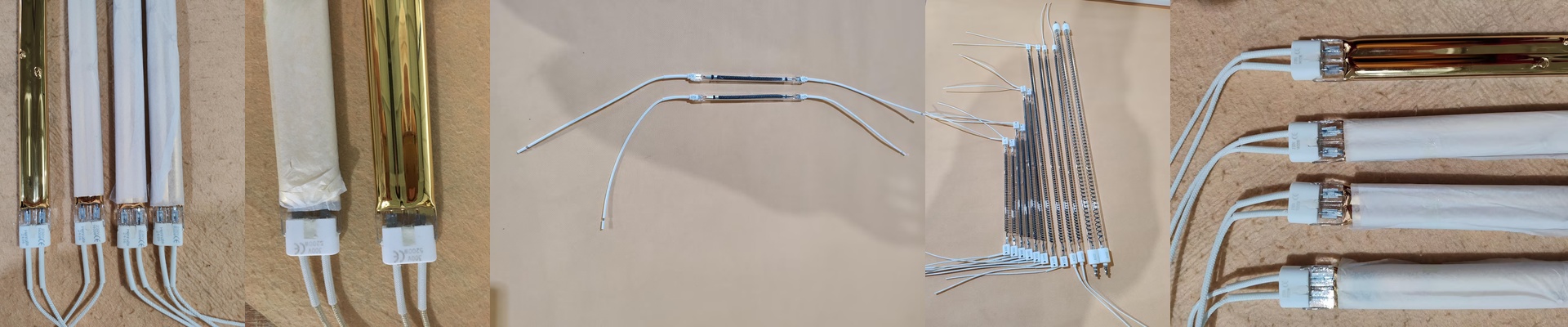
To get that “flash” effect, it all comes down to how much energy we can cram into a small space. Take a 2500W tube. By packing that much wattage into a tight quartz envelope, we create a massive heat density. It’s intense. But here’s the catch: your power supply has to be spot on. If you under-volt, the lamp just glows; you lose that instant hit of heat. Over-volt it? You’ll fry the filament in a few hours. It’s a tight window, but when it’s dialed in, it’s incredibly efficient.
The Nitty-Gritty: Materials
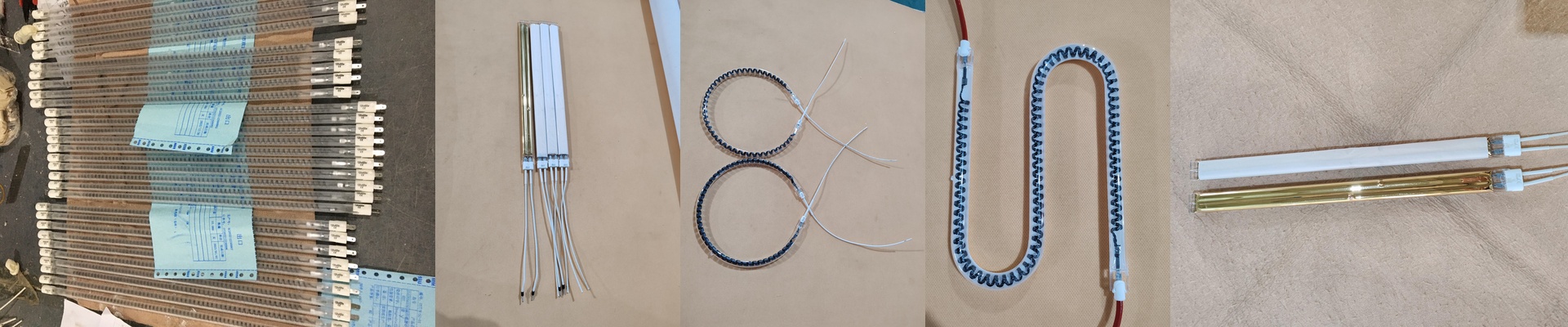
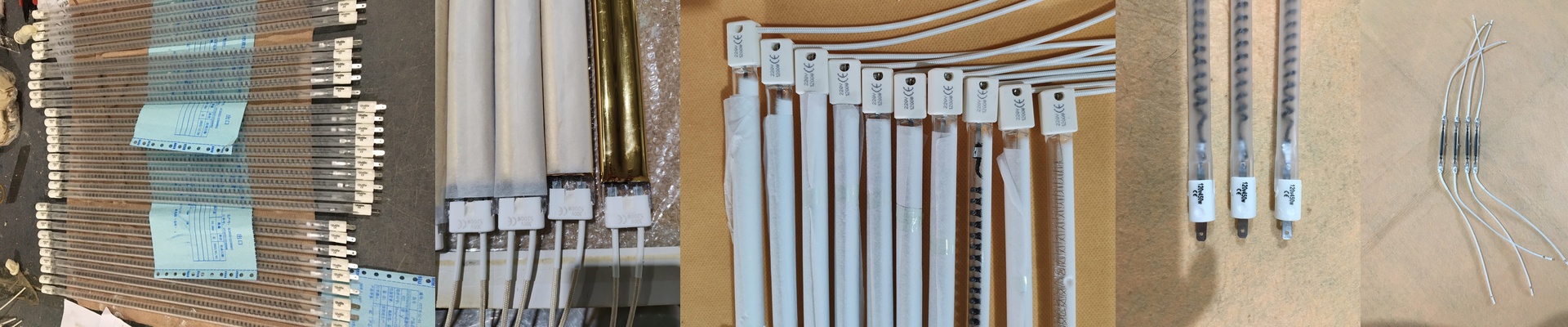
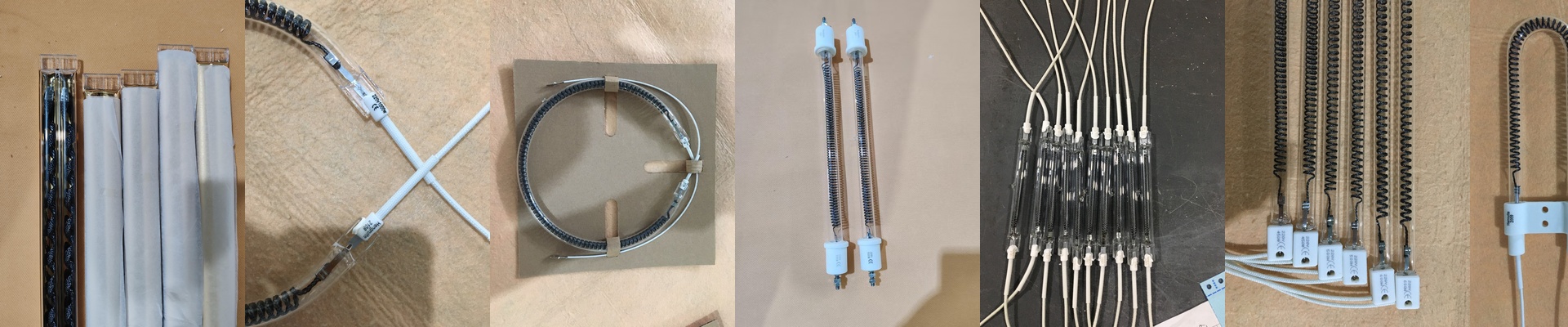
We use halogen-filled quartz tubes to keep the tungsten filaments from burning out. Think of it as a recycling system. The halogen gas grabs the evaporated tungsten and puts it back onto the filament. This stops those annoying thin spots from forming, which is usually what kills a lamp. On the hardware side, we use R7s or SK15 bases. We do this so you can just drop our lamps into most industrial rigs without having to rebuild your entire setup. We also add specialized coatings to the quartz. This makes sure the energy hits your product, not the frame of your machine.
Real Talk: The Shop Floor
These lamps put out a ton of energy, but they also create a lot of waste heat. If your cooling fans aren’t up to the task, your sockets are going to degrade. Fast. I’ve seen housings actually warp because someone forgot how much the ambient temperature rises in a tight space. The only way to keep these things running at peak performance without stressing your electrical junctions is simple:**give them room to breathe.**Proper spacing and a good breeze are everything.