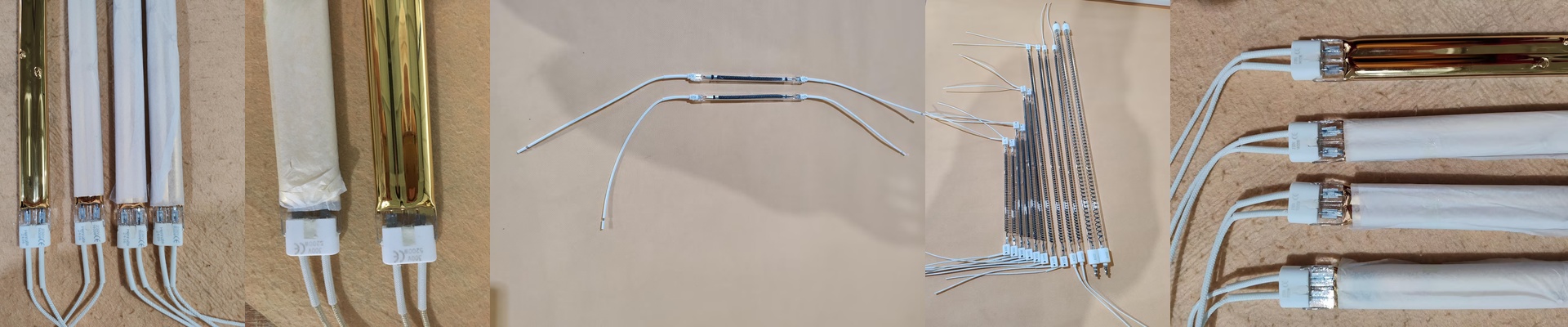
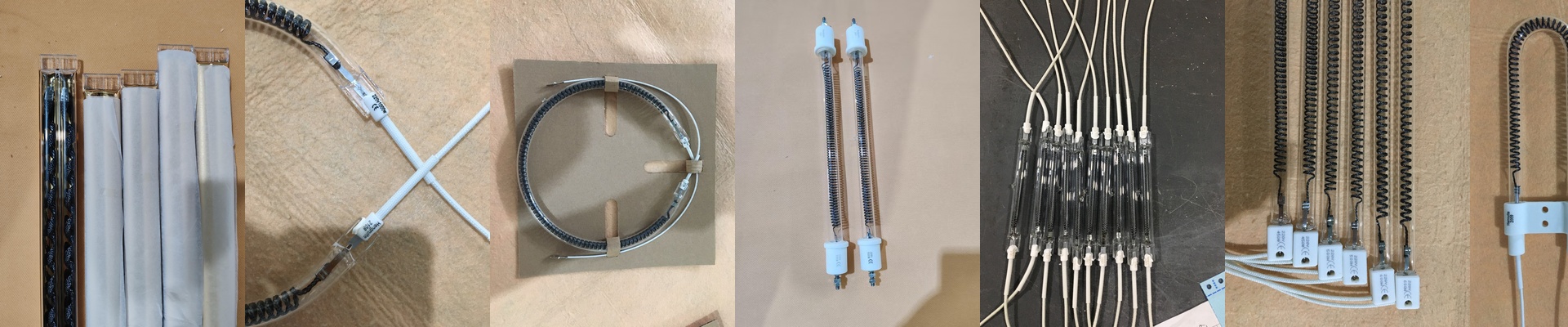
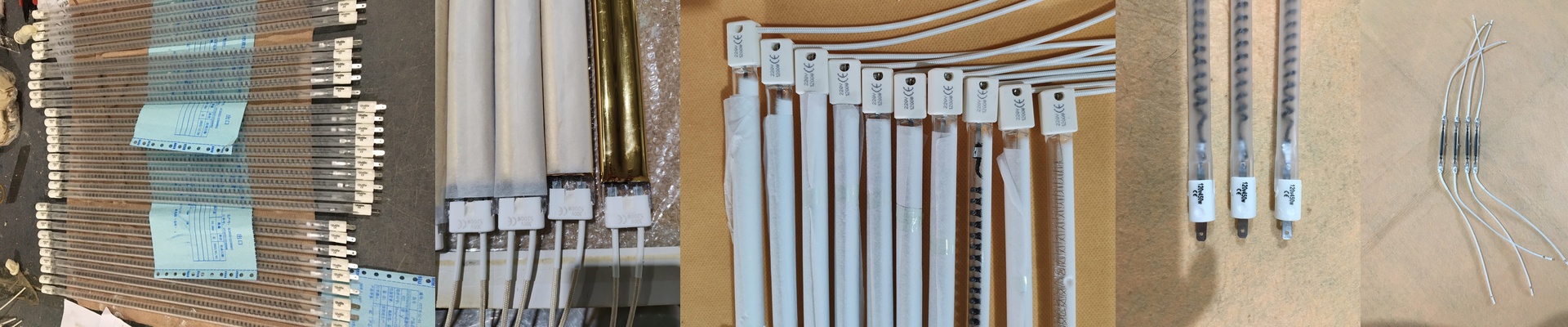
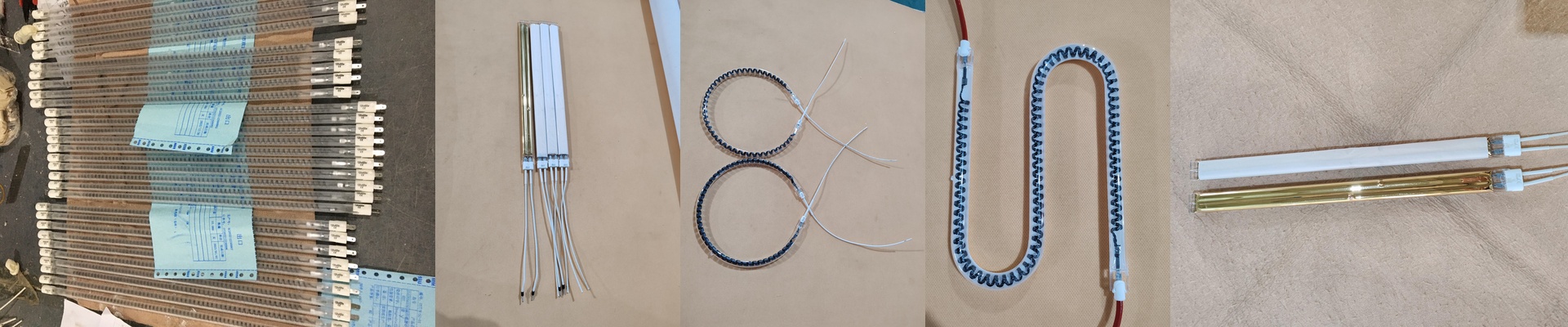
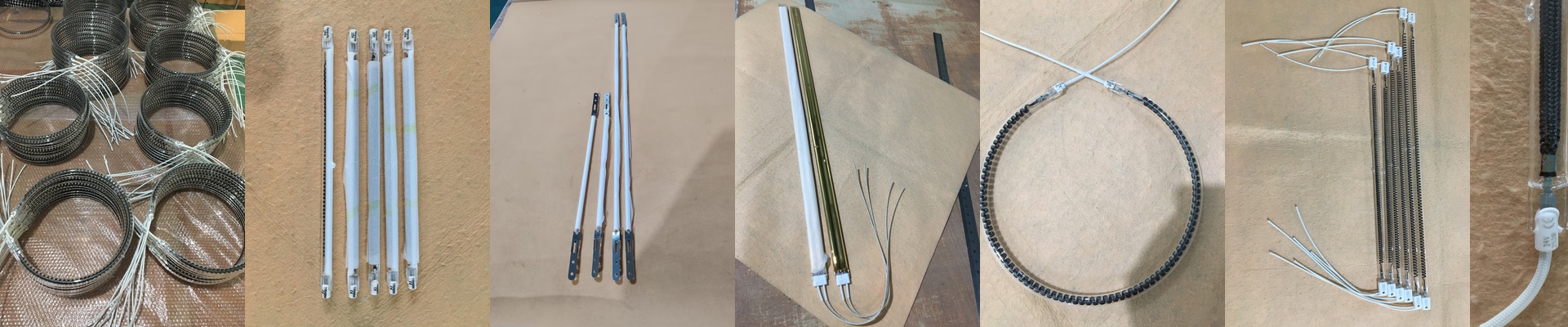
Let’s Talk About the M&R 1007119 Heating Element
Here is the deal with the M&R 1007119. It’s a short-wave infrared lamp, and if you’re in textile printing, you know exactly what that means: it’s the thing that flashes your ink into a permanent cure in a split second. Now, you have a choice when these burn out. You can pay the “logo tax” for the OEM brand, or you can just pay for the actual materials—the quartz and the tungsten.
What’s actually happening inside?
It all comes down to the math of wattage versus length. To get that ink to polymerize, you need a very specific surface temperature. We use high-purity quartz glass for a reason. These things go from cold to screaming hot and back again, over and over. Cheap glass cracks under that kind of stress. Quartz doesn’t. Inside, the tungsten filament is tuned to match your machine’s transformer. This keeps the heat steady across the whole bed so you don’t end up with “cold spots” on your prints.
Getting it into your machine
Nobody wants to spend a Saturday rewiring a control panel. That’s why we use standard connectors. You just pop the old one out and drop this one in. The quartz envelope is built tough to handle the constant shaking of a moving conveyor line. But here is the secret: the weakest point of any lamp is where the wires meet the glass. If that seal leaks gas, the lamp dies. We reinforced that seal to make sure yours lasts longer.
The reality of the print shop
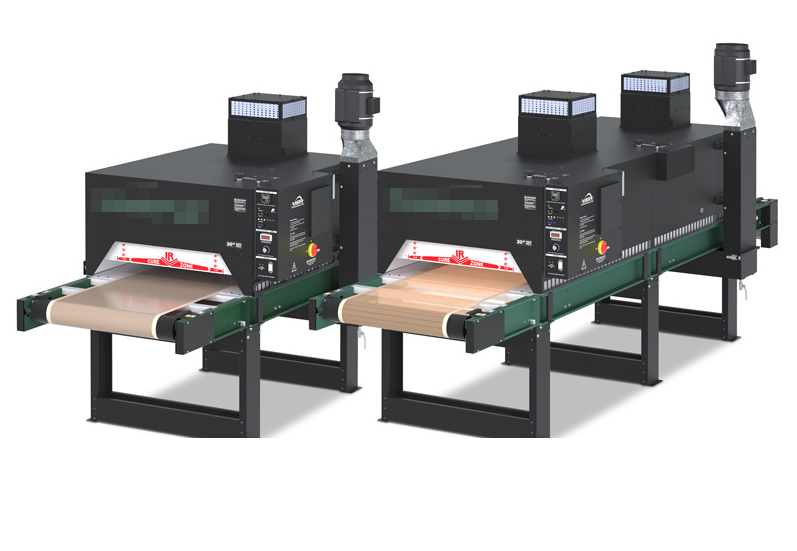
Print shops are messy. You’ve got ink splattering everywhere and the power cycling all day. It’s a brutal environment. Using a lamp that hits the exact same technical specs as the original means you get the same cure rate, just without the brand-name markup. One quick heads-up, though. These short-wave lamps put out an intense amount of heat in a very small area. If your conveyor slows down or a cooling fan quits, you’re going to scorch your fabric.Keep your timing dialed in. At the end of the day, physics doesn’t care whose name is on the box. The heat transfer is the same.