Let’s Talk Carbon Fiber IR Heating
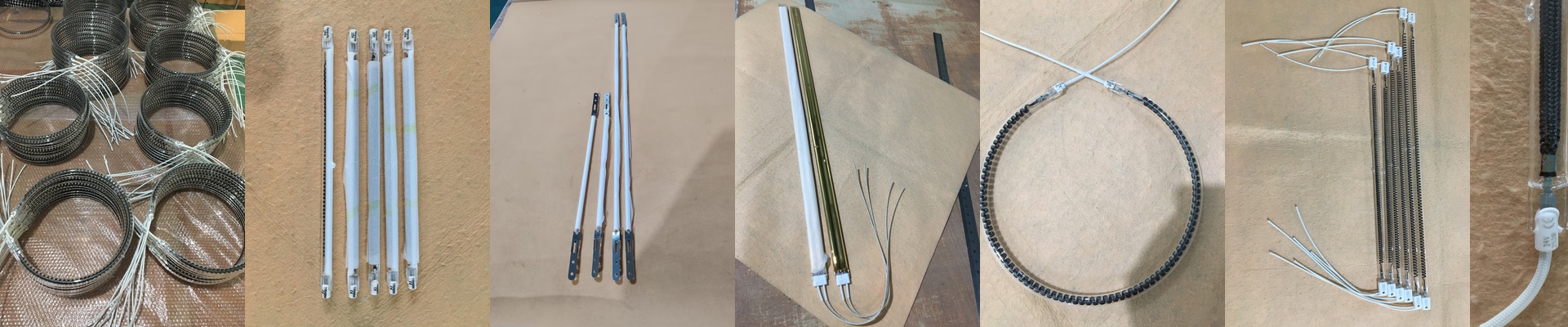
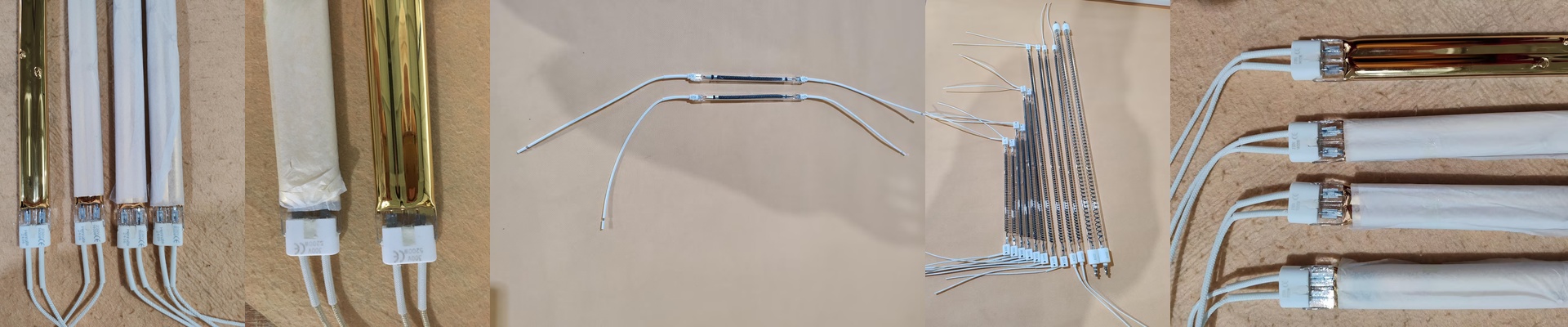
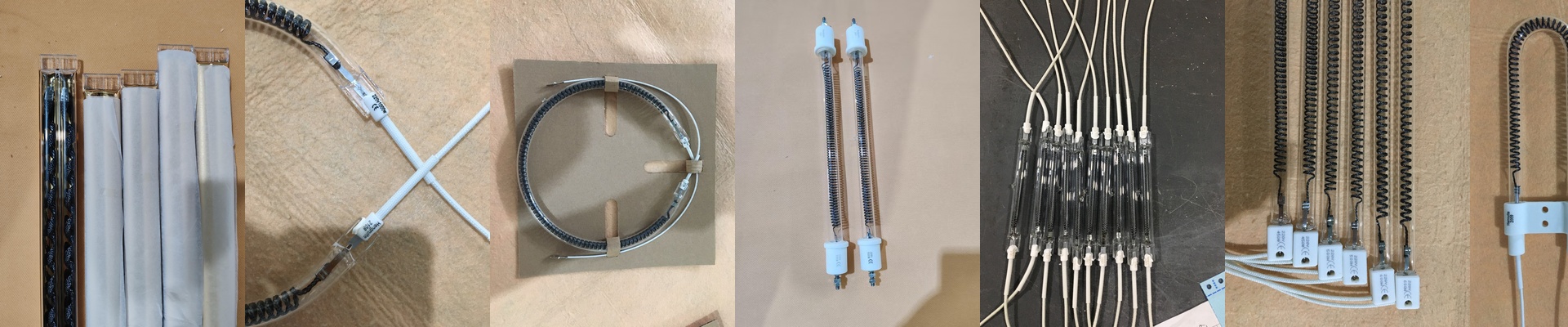
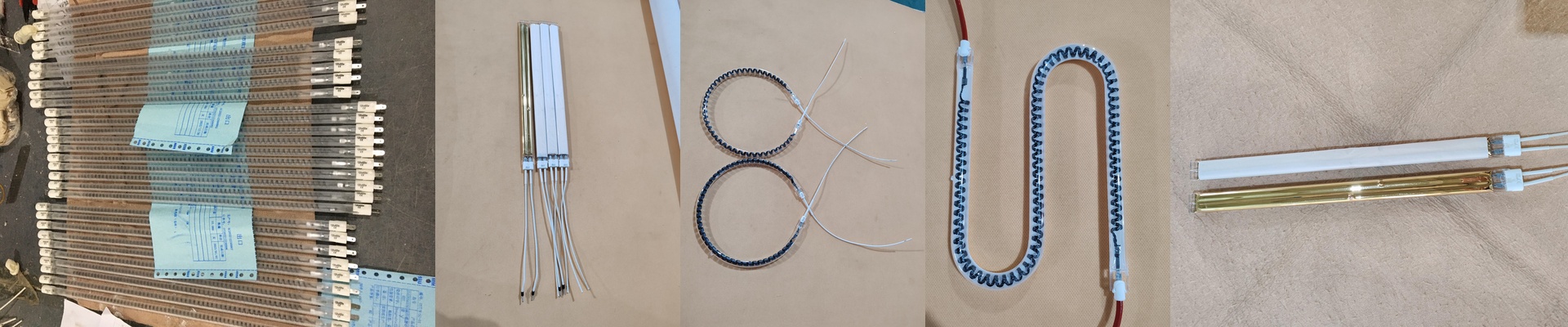
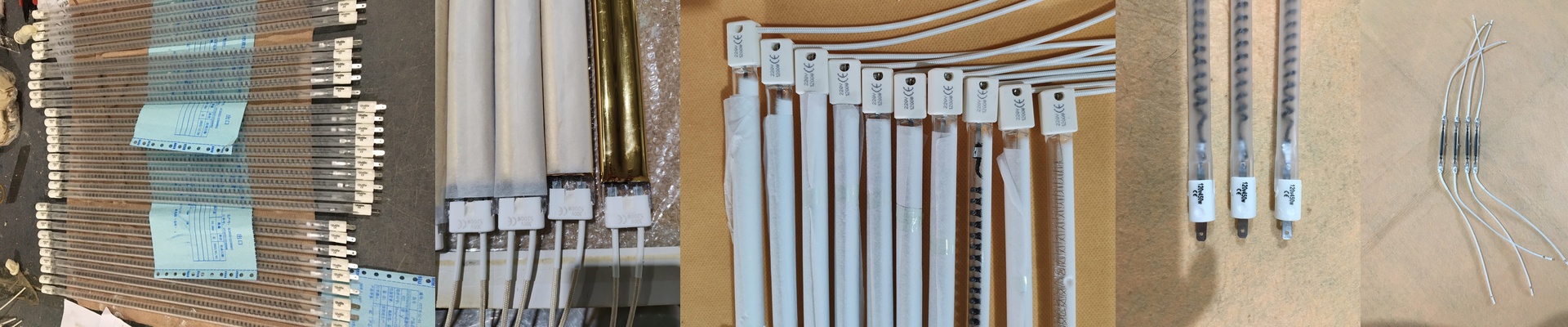
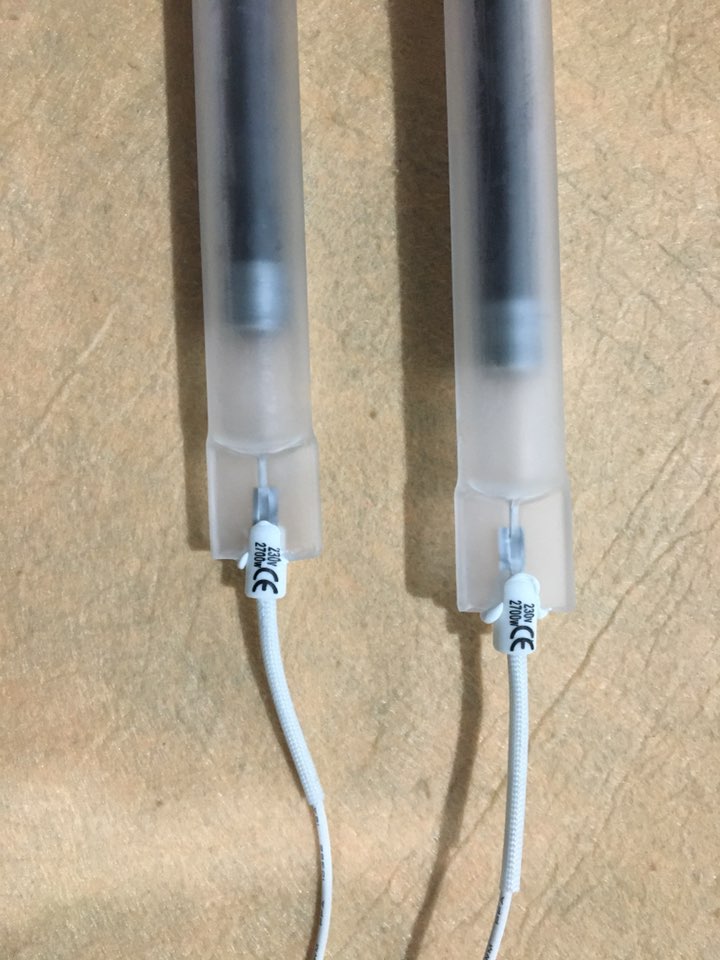
Most people are used to the old-school tungsten or nichrome wires for heat. But we do things a bit differently. We use carbon fiber filaments. Basically, we run a current through a carbon fiber weave, and it turns that electricity into short-wave infrared radiation. The big win here? It heats up incredibly fast. Plus, the heat stays right where you want it, rather than bleeding out everywhere like those standard quartz heaters do. Getting the power right The wattage and voltage you pick are what really drive the heat. If you’re doing PET blowing or need something to cure in a heartbeat, you’ll want those high-wattage tubes. I usually suggest high-voltage lamps if you need power to travel a longer distance. It stops those annoying voltage drops you get with low-voltage setups. Just a heads-up: make sure your wiring and power supply can actually handle the draw. You don’t want to fry your contacts on day one. What’s under the hood? The heating element sits inside a high-purity quartz tube. We use this because it can take a massive thermal shock without cracking, and it lets the IR waves slide right through. For the connections, we stick with R7s or Sk15. Why? Because they just work. They’re drop-in replacements for most industrial sockets, so you won’t have to spend your weekend fabricating custom brackets. Some of our lamps even have a special coating that helps the heat soak deeper into whatever material you’re working on. The trade-offs Here’s the thing: these lamps react almost instantly. You change the power, and the temperature follows. It gives you a level of control that’s honestly pretty satisfying. But there’s a catch. Because the heat is so concentrated, the surface gets hot—fast. If your cooling fans quit or you’ve squeezed the lamp into a housing that’s too tight, you’re risking a cracked tube or a melted machine frame. It’s all about balance. Just make sure your ventilation can keep up with the heat you’re putting out.