Quartz vs. Carbon Fiber: Which Tube Actually Works for You?
When you’re putting a heating system together, you eventually hit a fork in the road: quartz or carbon fiber? It really just boils down to how much heat you need and where the hell the tube is actually going to sit. We make both, but they’re built for totally different jobs.
The Heavy Hitter: Quartz
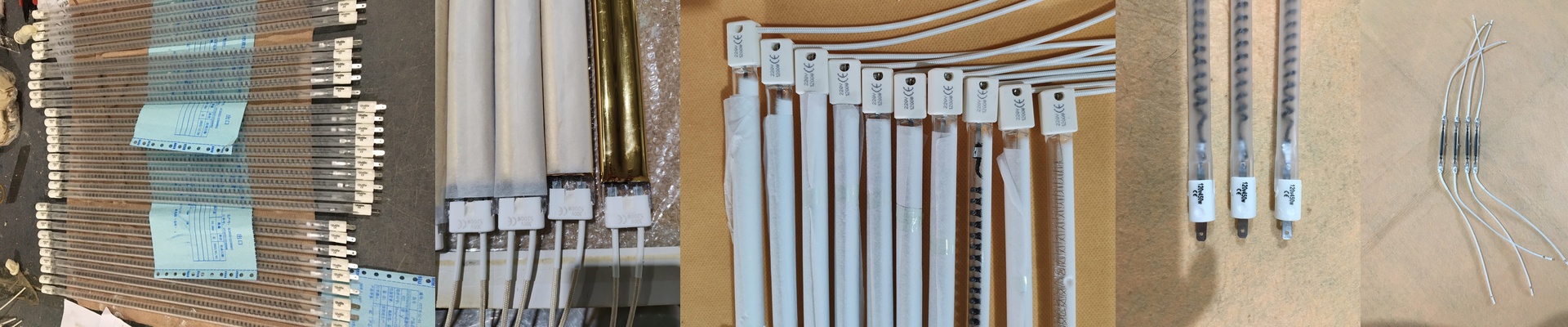
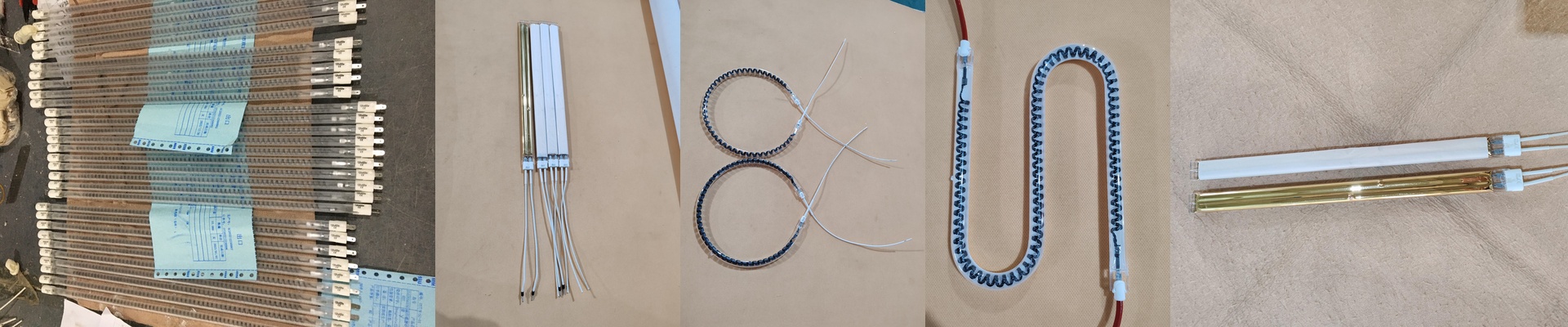
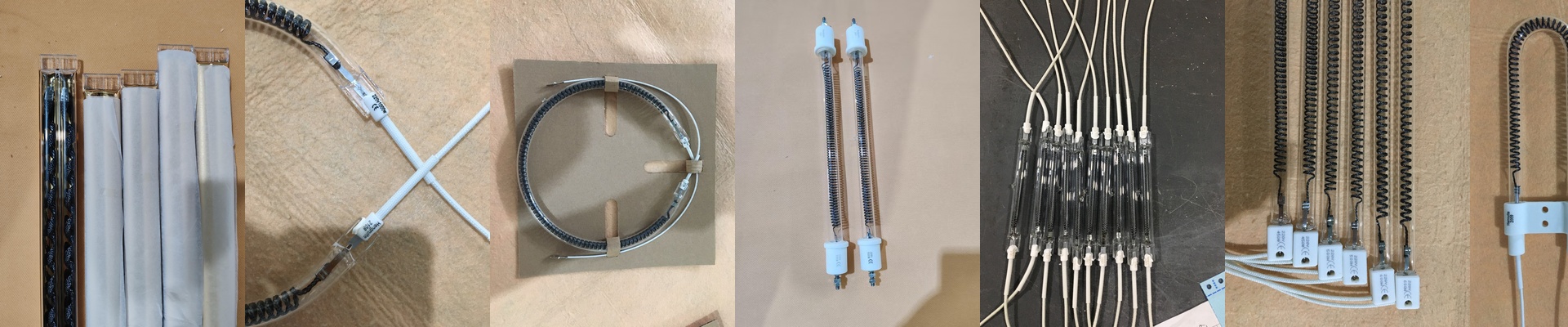
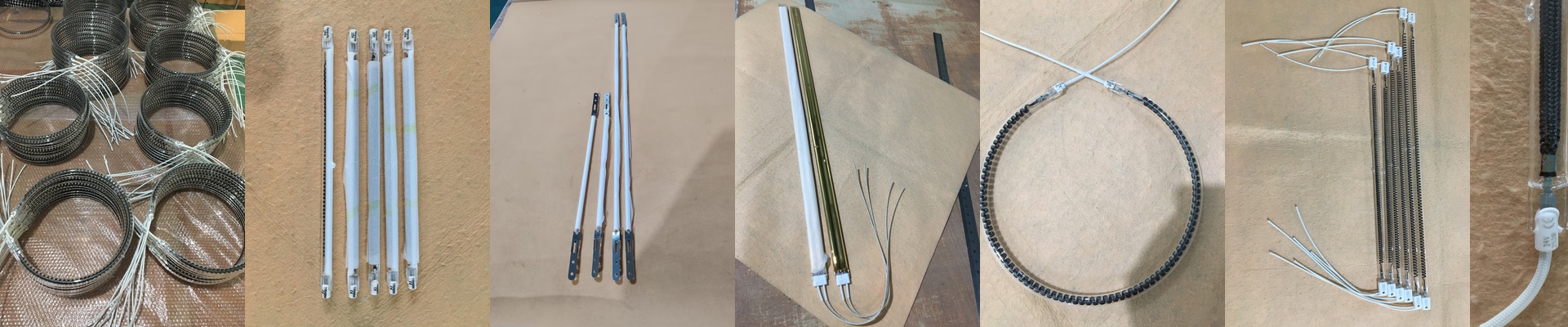
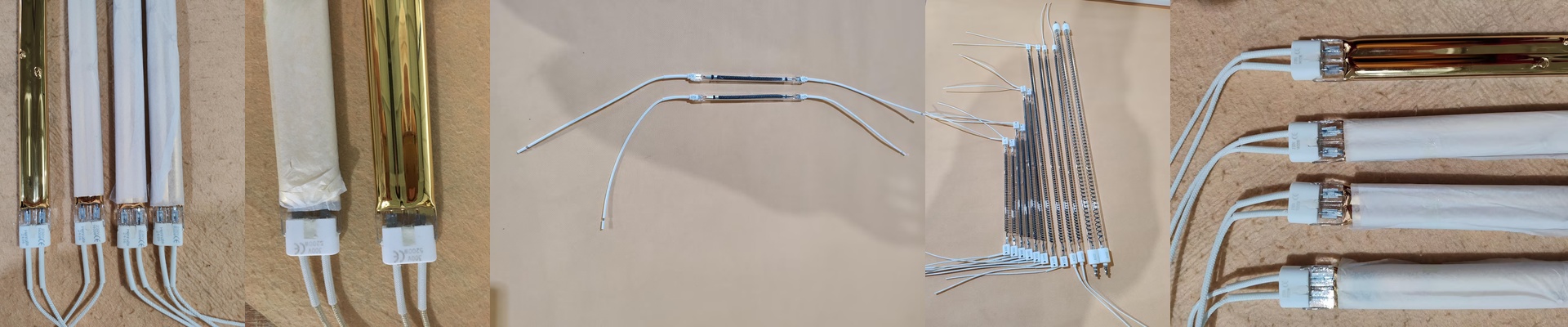
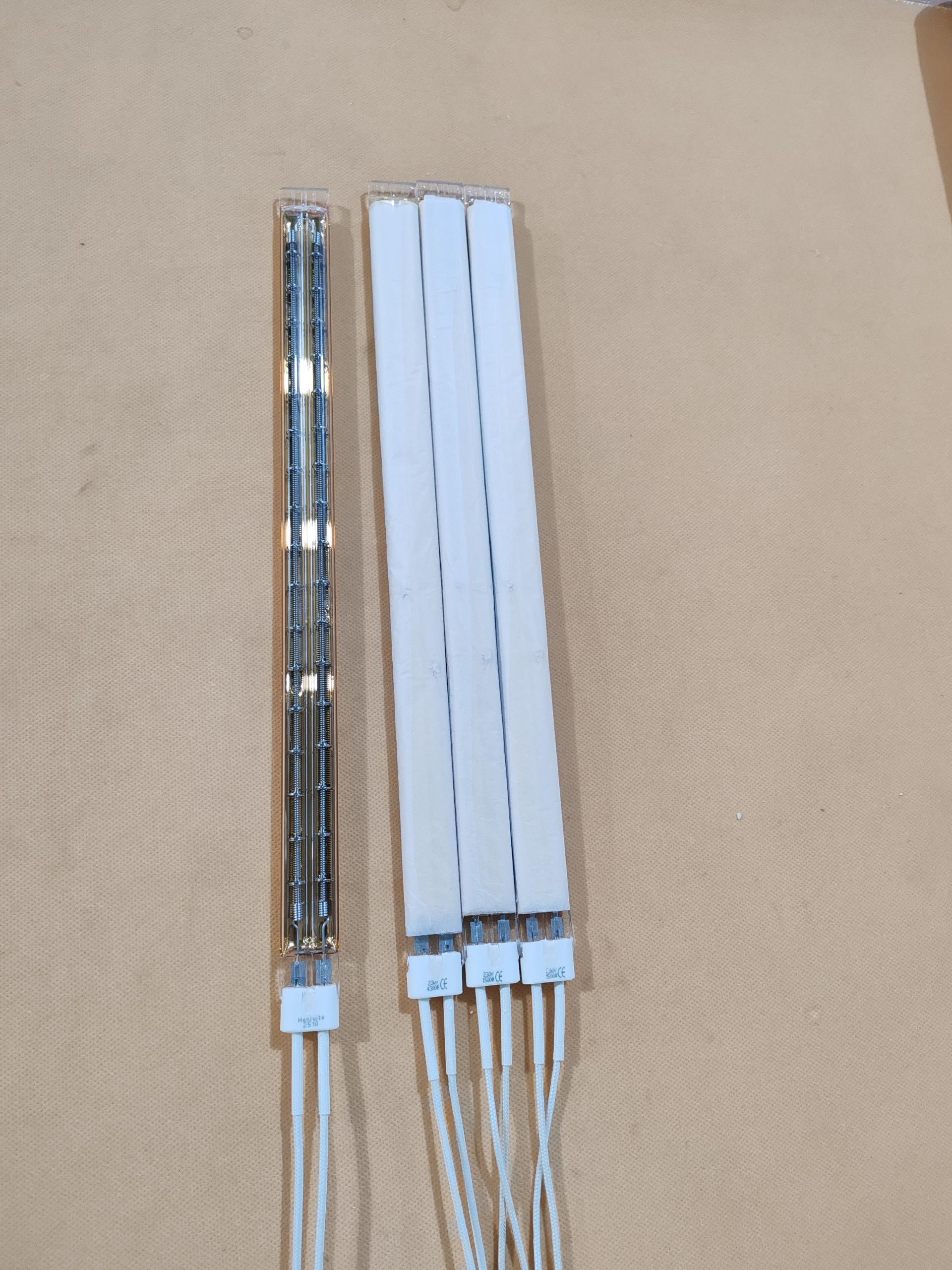
Quartz is for when you need to get hot, and you need to do it now. Inside, there’s a resistive filament—usually tungsten—tucked into high-purity silica. The magic here is that the quartz lets infrared radiation fly right through without wasting any energy. It’s intense. If you’re doing PET blowing or curing something that needs a concentrated blast of heat, this is your best bet. But here’s the catch. Quartz is fragile. If a splash of cold water hits it or your mounting brackets are too tight, it can crack. It’s a bit finicky. You have to get the fit exactly right, or you’re looking at a burnout.
The Workhorse: Carbon Fiber
Carbon fiber is a different animal entirely. Instead of a single hot point, we embed carbon filaments into a protective sleeve. The result? The heat spreads out evenly across the whole length of the tube. It’s a much smoother, more consistent feel. Plus, these things can take a beating. If your machine vibrates or gets bumped, carbon fiber isn’t going to shatter like glass. The trade-off is the “peak.” It won’t hit those crazy high temperatures a quartz lamp can. If your process needs a massive spike of heat in a matter of seconds, carbon fiber is probably going to feel too slow for you.
A Few Tips for the Setup
Once you’ve picked your tube, don’t ignore the wiring. High-wattage tubes pull a lot of current. If you use cables that are too thin, you’ll lose power before it even reaches the heater. Make sure your controllers can actually handle the load. And a couple of pro tips: If you go with quartz, keep your reflectors clean. Dust and grime kill your efficiency. If you go with carbon fiber, leave a little breathing room for thermal expansion. If it’s too tight, the tube will bow when it heats up, and that’s a headache you don’t want.