A Straight-Talk Guide to Carbon Fiber Infrared Heating Tubes
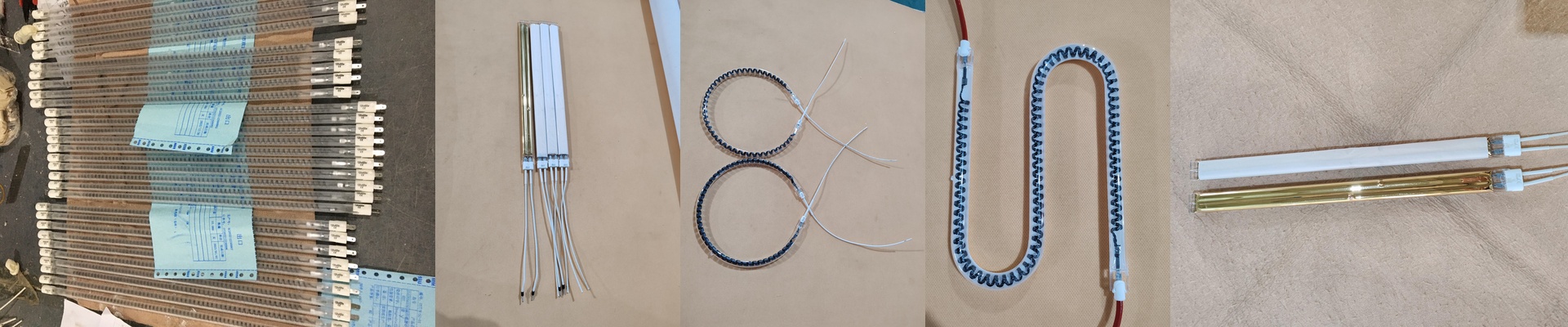
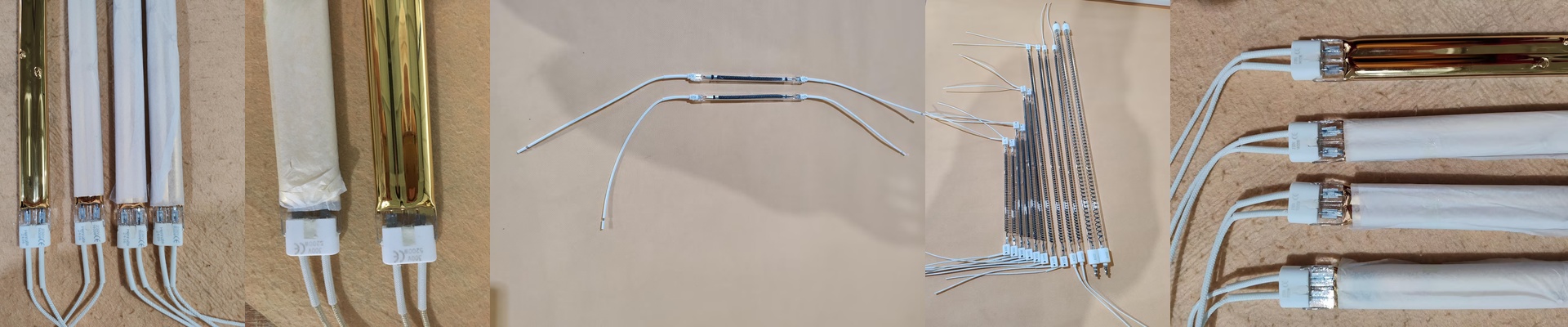
Here is the deal with carbon fiber heat tubes: they work by running electricity through a carbon fiber filament tucked inside a quartz or ceramic sleeve. If you’ve used old-school metal alloy elements, you’ll notice a big difference immediately. These things heat up fast. Really fast. They also push out energy in the medium-to-long wave infrared range, which changes how the heat actually hits your material.
Getting the Power Right
We design these tubes to handle a ton of power in a small space. When you pick a tube with high wattage but a short length, you’re basically creating a concentrated blast of heat. This is exactly what you want for things like PET blowing or rapid curing, where you can’t afford to wait around—you need that surface to hit the target temperature in a matter of seconds. But a word of caution: watch your voltage. Whether you’re on 220V or 380V, make sure it matches your grid. If you try to force too many amps through a tube that isn’t rated for it, the filament will just snap. Simple as that.
What’s Under the Hood?
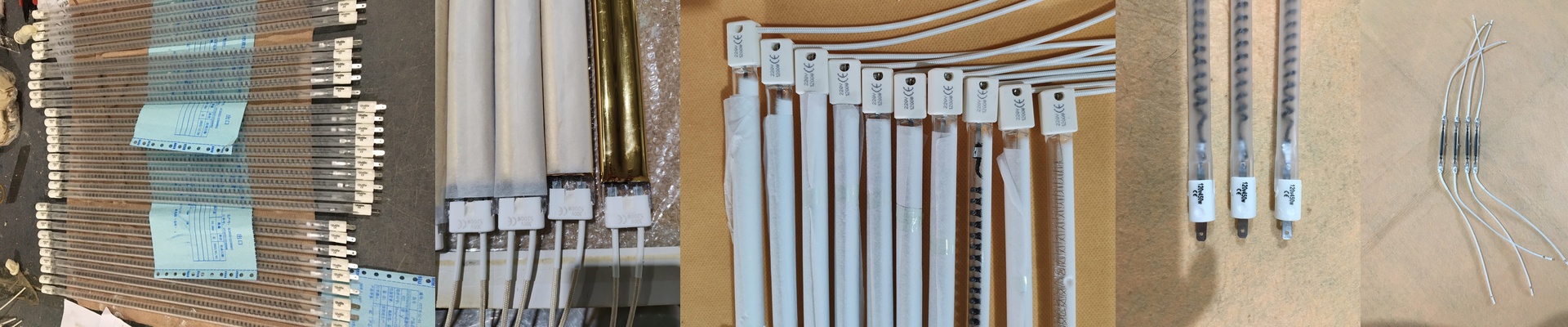
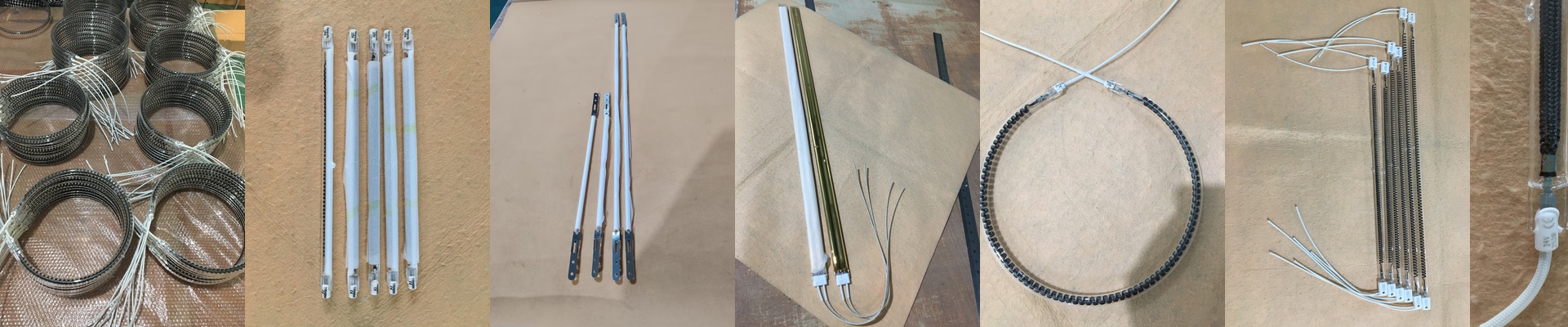
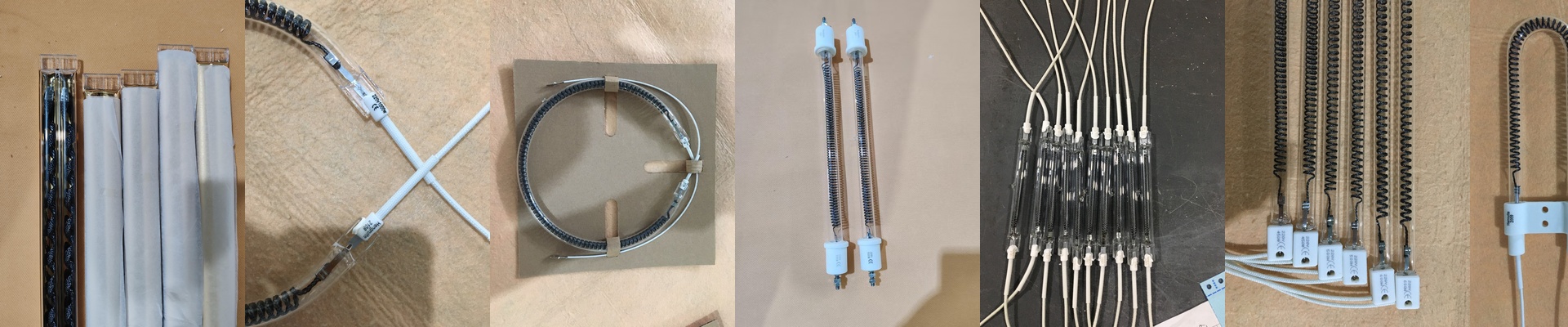
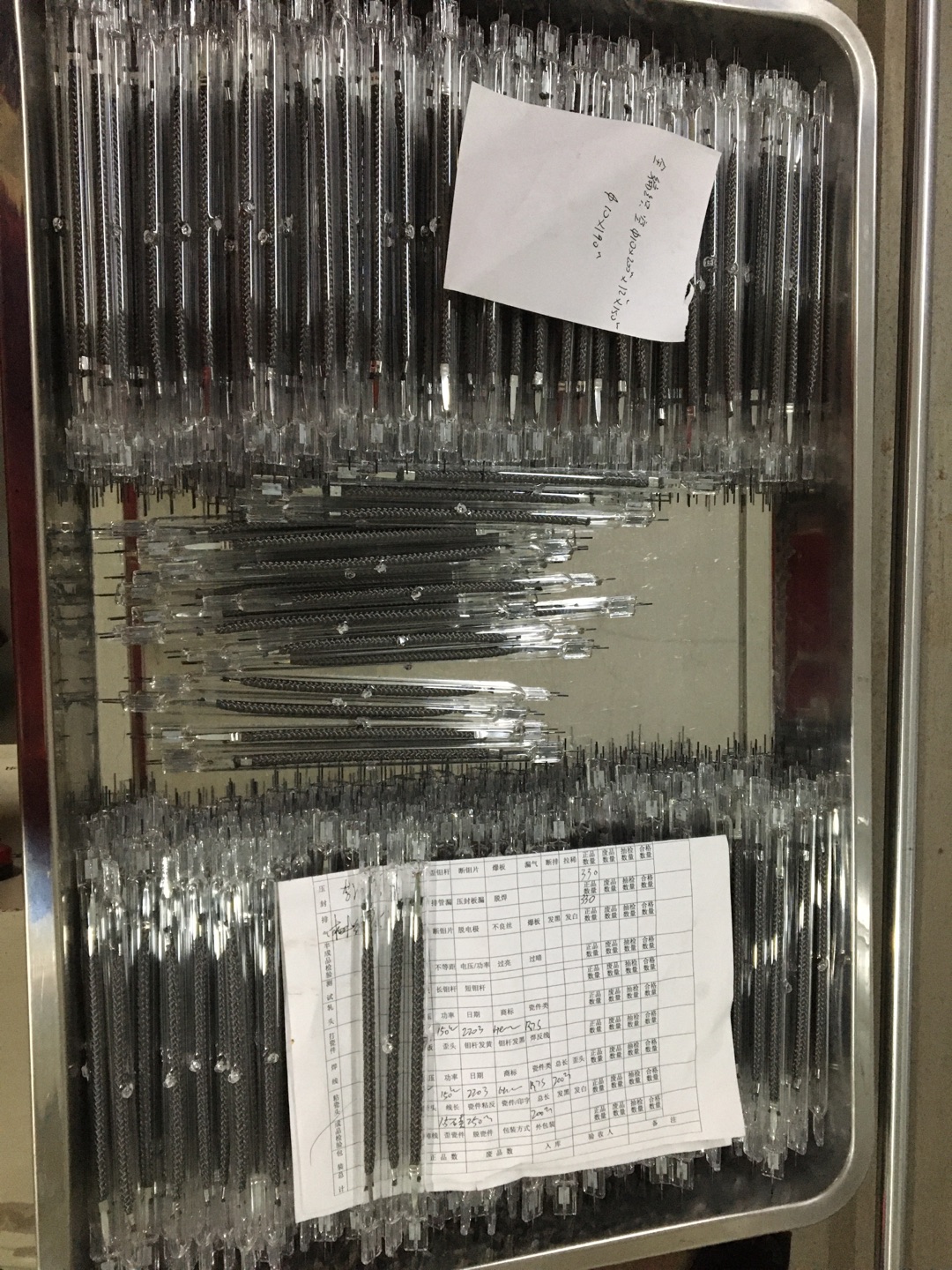
The heart of the tube is that carbon filament. To keep it from oxidizing or getting contaminated, we wrap it in high-purity quartz. Depending on where you’re using these, we can add special coatings to the glass. Some of these shift the heat spectrum, while others just keep the tube from getting ruined by chemical splashes on a messy shop floor. As for getting them into your machine, we use standard R7s connectors or specialized pins. We wanted these to be easy to wire up, so they basically just drop right into the spots where your old halogen systems used to live.
The Trade-offs (The Honest Part)
Look, these tubes are incredibly responsive, but they aren’t tanks. They’re fragile. You can’t treat them like a stainless steel heater. One hard bump or a clumsy move during installation and that quartz sleeve is going to crack. There’s also the “hot spot” issue. Because the energy is so concentrated, your part can overheat if it’s just sitting still. You’ll want to keep your parts moving or rotating. And one last tip: keep a close eye on your PID controllers. You’ll need to calibrate them carefully so you don’t overshoot your temperature and ruin your work.