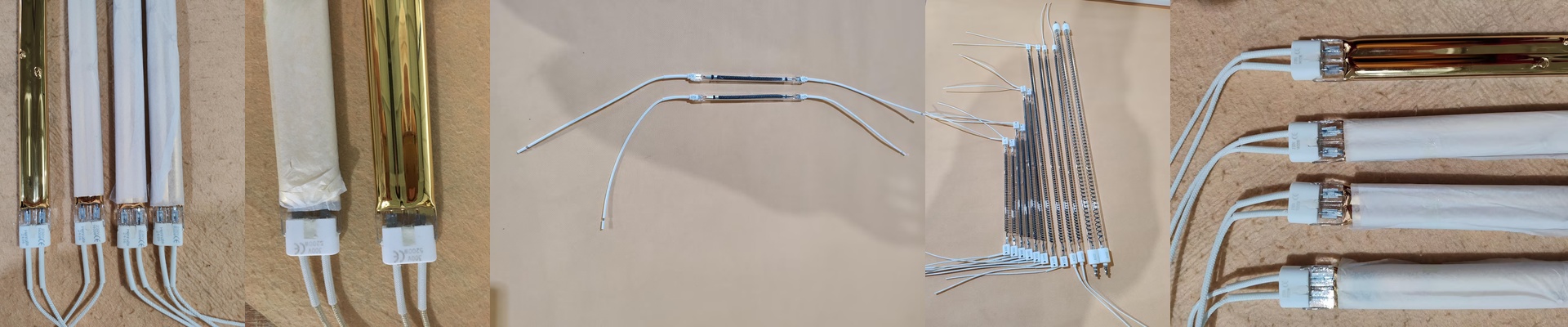
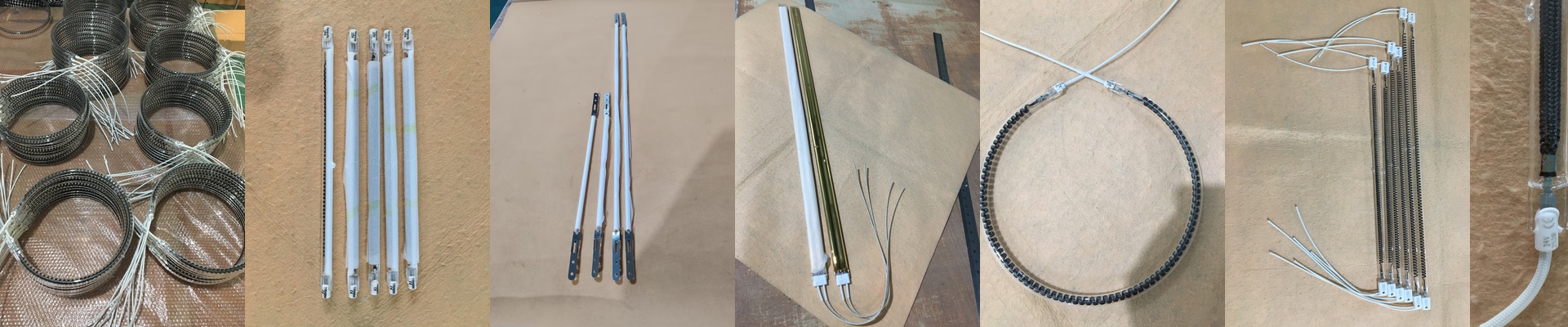
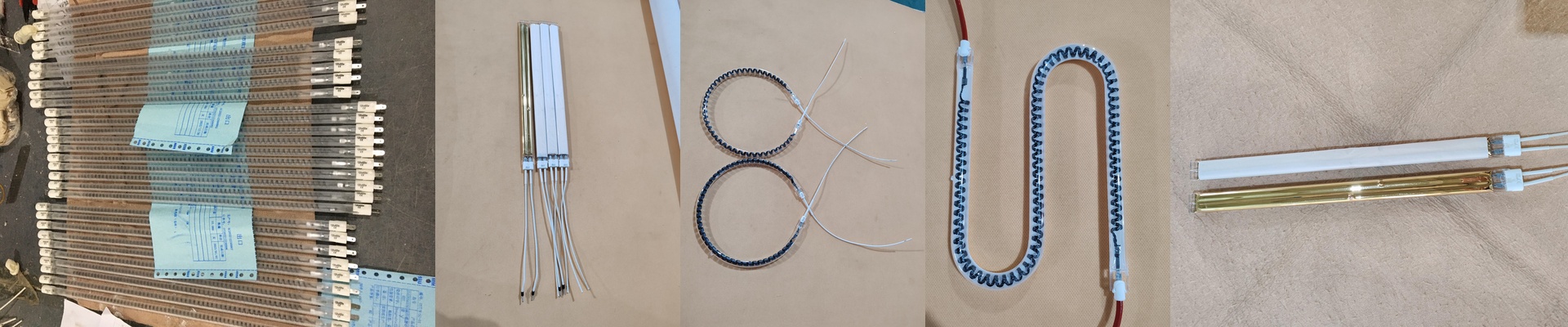
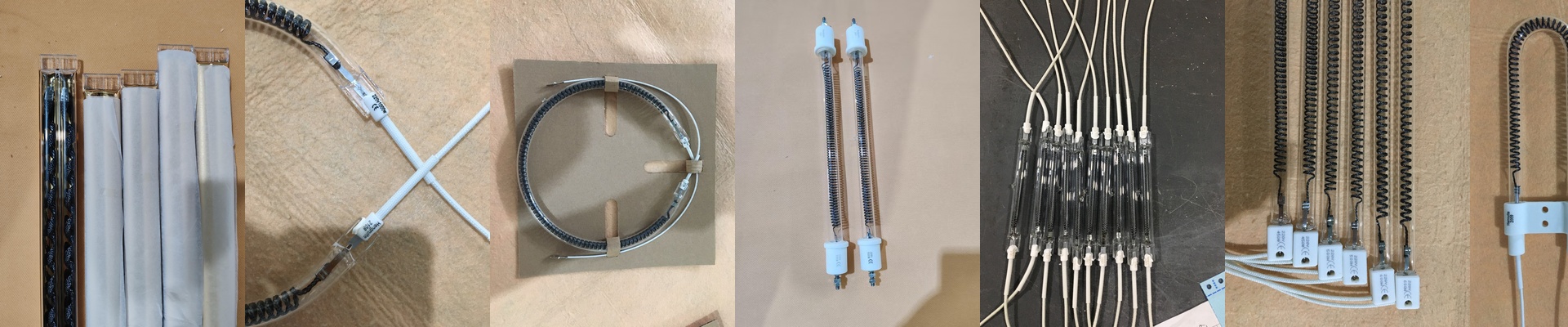
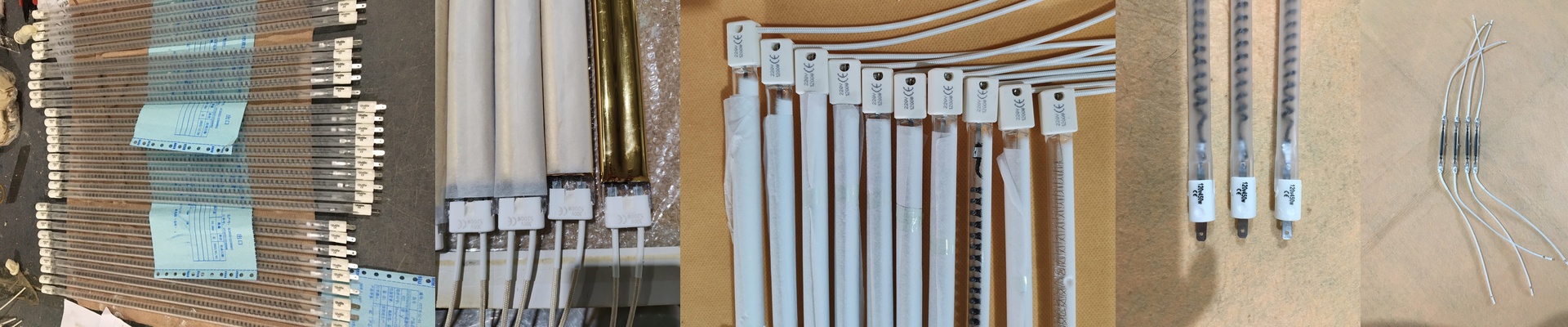
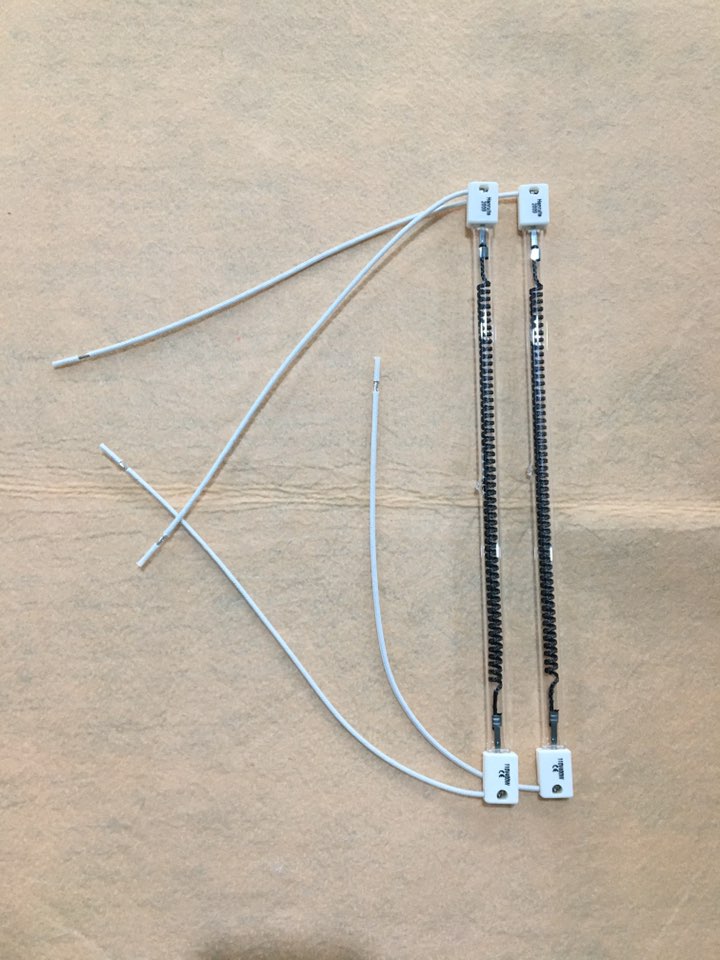
The Story Behind Our 600mm Carbon Fiber Quartz Heater
We built these 600mm lamps for a very specific problem: when you need heat now, and you need it concentrated. Most people are used to standard metal coils. Those are fine, but they’re old school. We went with carbon fiber because it works differently. It doesn’t need to get screaming hot to push out a massive amount of infrared energy. It’s just more efficient.
Getting the Power Right
We landed on 1300W for this 600mm length for a reason. It’s the sweet spot. If you’re running a medium-sized drying tunnel or a curing oven, you want a steady, balanced flow of heat. You don’t want those annoying hotspots that ruin your product. Plus, this wattage means the lamp hits its operating temperature almost the second you flip the switch. But we had to be careful. If you cram too much power into a short tube, you’ll just fry the filament. 1300W gives you the punch you need without killing the lamp’s lifespan.
Why Carbon Fiber and Quartz?
Inside the tube, you’ve got a carbon fiber element. We chose this because it handles the “stress” of heating up and cooling down way better than nichrome. It doesn’t warp or get tired when you cycle it on and off. Then there’s the quartz. We use high-purity quartz because it basically acts like a window—it lets the infrared radiation slide right through without soaking it up. **One big warning here:**The quartz protects the filament from the air. If that seal breaks, the lamp is dead instantly. Also, please,**use gloves.**If you touch the glass with your bare hands, the oils from your skin create tiny stress points. Once the lamp heats up, those points can cause the glass to crack. It’s a pain, but it’s a necessary step.
Making it Work in Your Shop
For most of you, these are just drop-in replacements for those old halogen or metal-sheath systems. They wire up in no time. But here’s the thing: you’ve got to check your reflectors. Because these lamps pack so much heat into a small area, a warped reflector is a disaster. You could be throwing away 20% of your heat just because the mirror is bent. And a quick tip on power—carbon fiber is a bit picky about voltage. If your power supply is jumping all over the place, your filaments won’t last. Just make sure your controllers can handle the initial surge so you aren’t constantly tripping breakers.