Let’s Talk Carbon Fiber Infrared Lamps
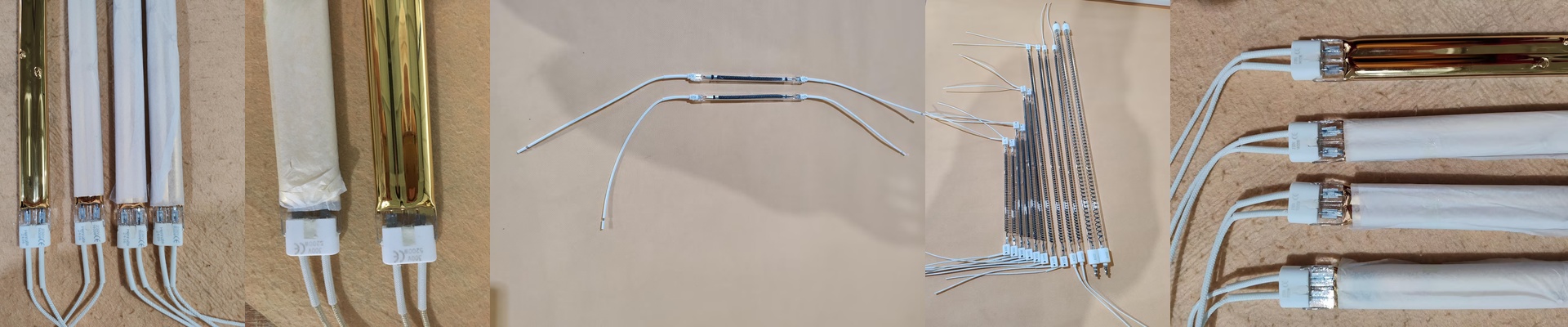
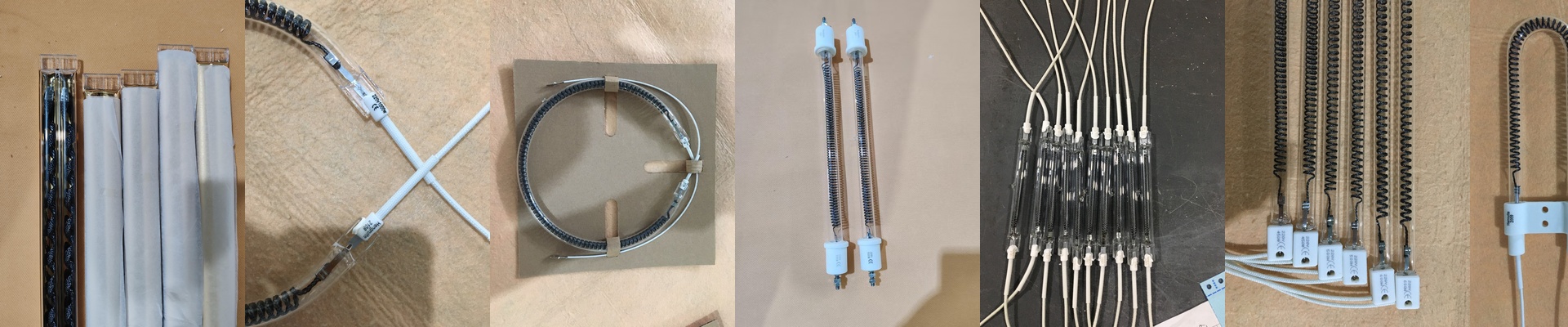
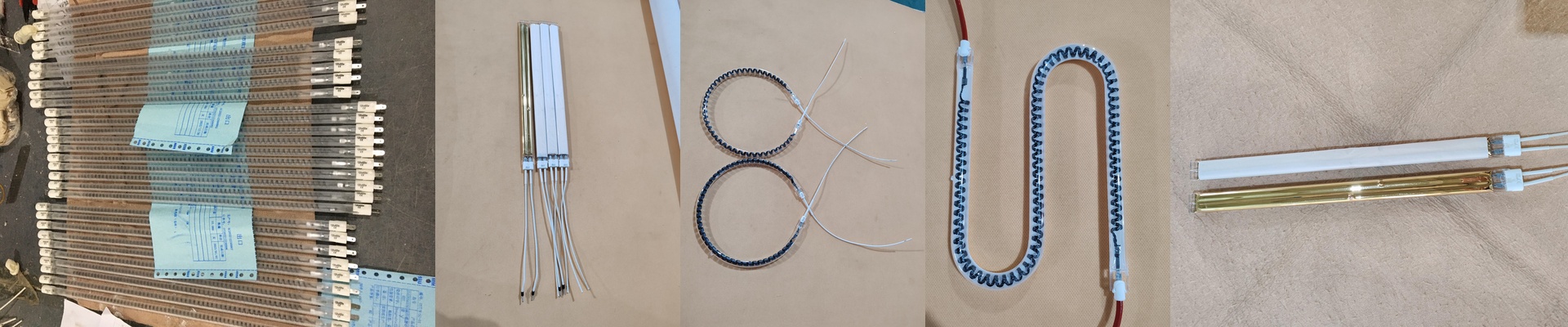
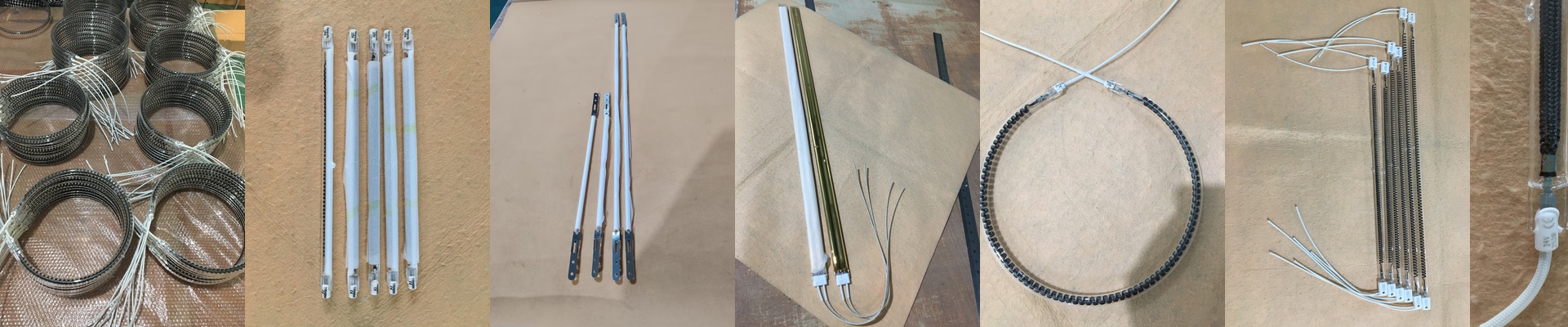
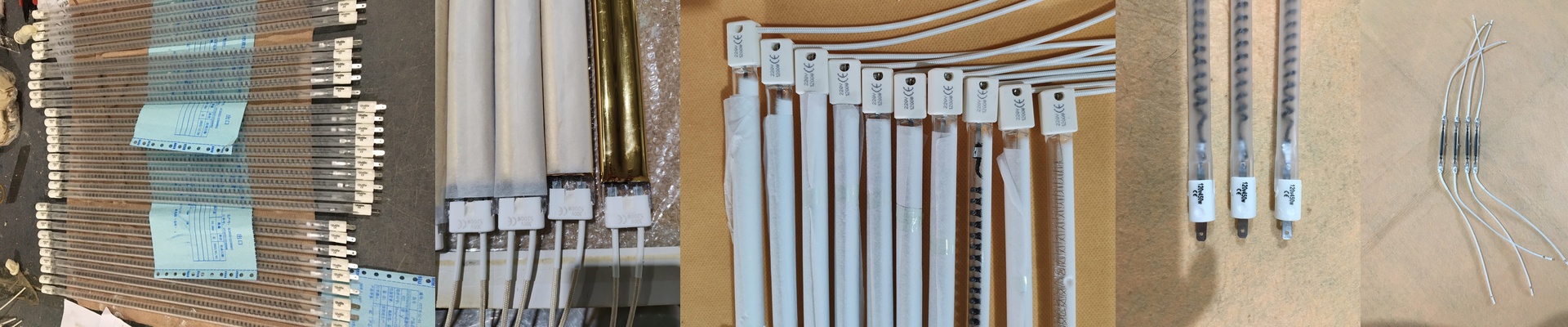
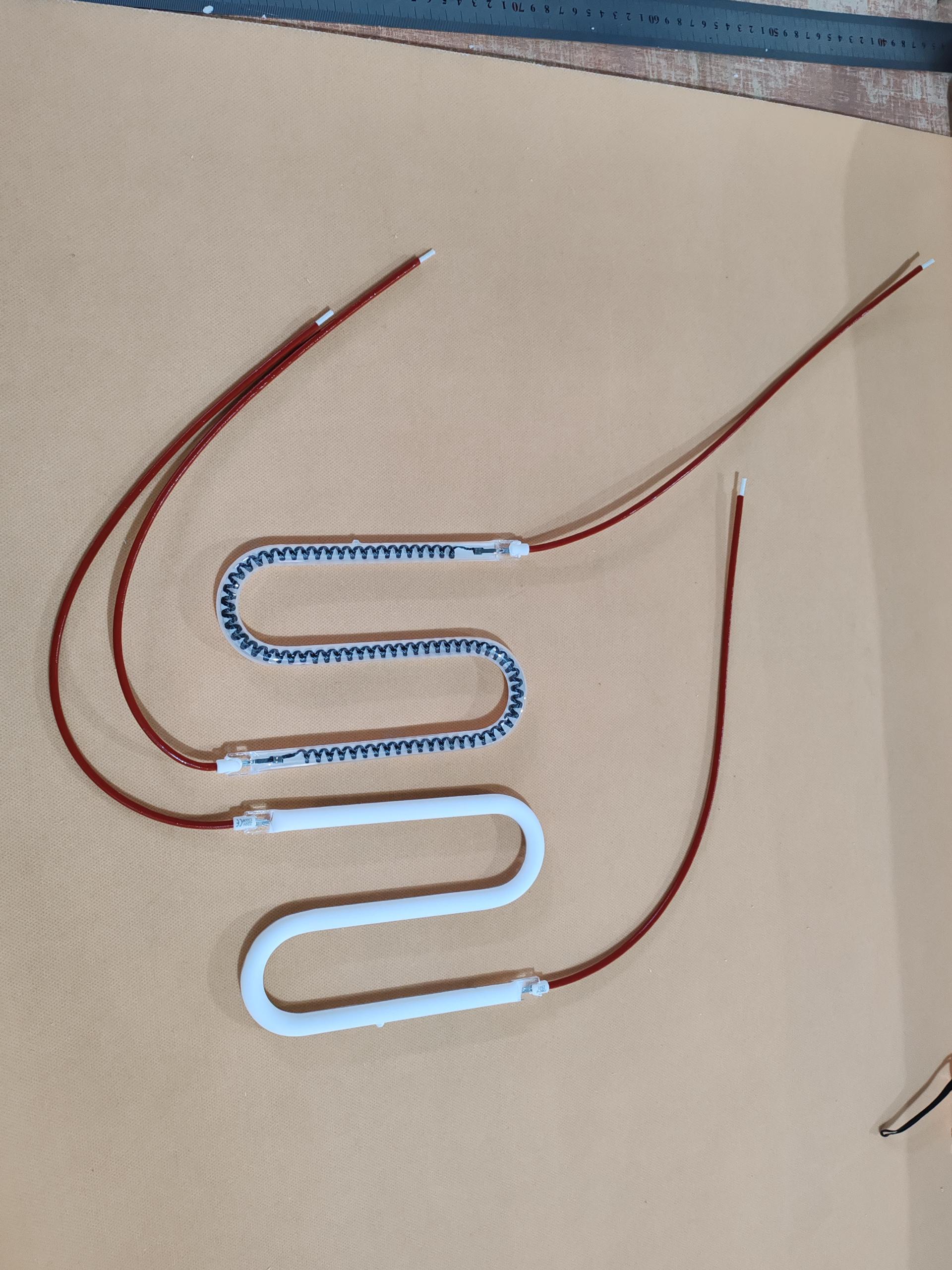
If you’re used to standard tungsten or halogen tubes, carbon fiber lamps are a bit of a different beast. Instead of just getting “hot,” they use a carbon-fiber core to push out medium-to-long wave infrared radiation. Why does that matter? Because it lets you sink heat deep into plastics and organic materials without burning the surface to a crisp. It’s a much gentler way to get the job done. The balancing act: Power vs. Life When you’re picking out a high-wattage lamp, you’re basically playing a game of trade-offs. You want a lot of heat, but you also don’t want the lamp to die in a week. Here’s the deal: a shorter filament at a higher voltage gives you a massive punch of heat, but it puts a ton of stress on that carbon core. We’ve found that the sweet spot is matching your voltage exactly to the filament’s resistance. Do that, and your lamps will actually last. What they’re made of We wrap the filament in high-purity quartz. We do this because quartz doesn’t freak out when the temperature swings wildly—standard glass would just crack. Depending on your setup, you might want a gold or aluminum coating. This basically acts like a mirror, bouncing the heat forward onto your workpiece instead of letting it bleed out the back of the machine. It’s a simple way to stop wasting energy. As for the plugs, we stick to the basics like R7s or Sk15. They should slide right into most infrared ovens without any fuss. Just a heads-up: make sure your sockets can actually handle the heat, or you’ll have a different kind of problem on your hands. The good, the bad, and the shaky These lamps are a dream for PET blowing and plastic curing. They hit their target temperature almost instantly. No waiting around. Your cycle times drop, and things just move faster. But there is a catch. Carbon filaments are fragile. They don’t handle shaking or heavy vibrations nearly as well as tungsten does. If your machine vibrates like a jackhammer, those filaments are going to snap. My advice? Isolate the lamp housing from the main chassis. Give them a little breathing room from the vibration, and they’ll stay in one piece.