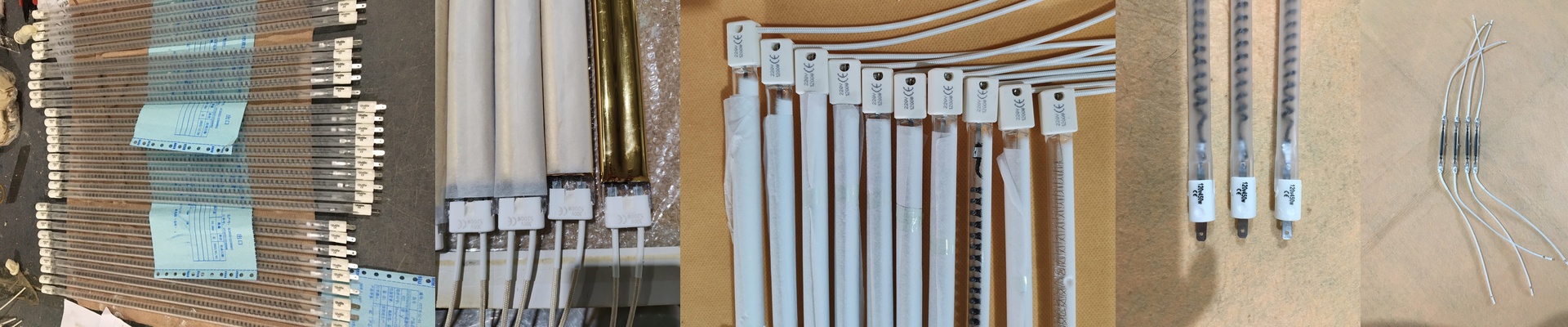
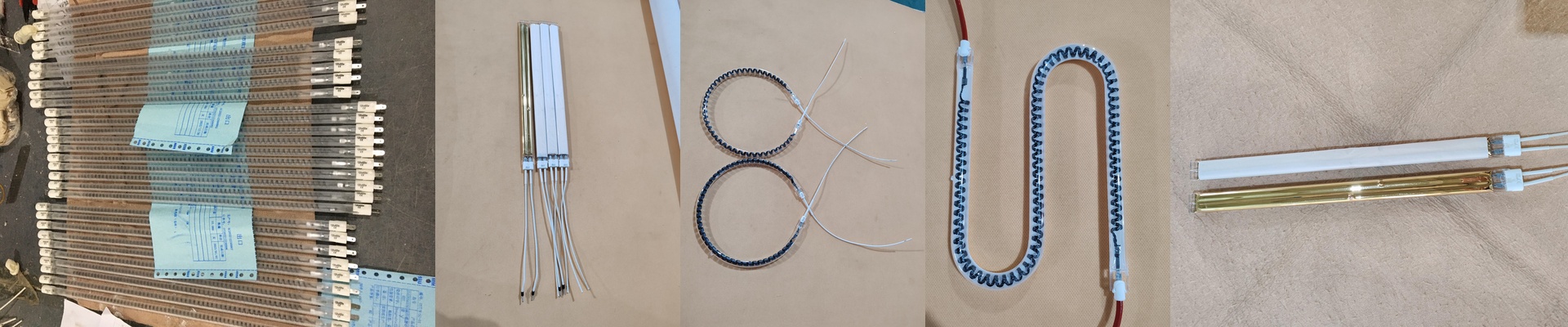
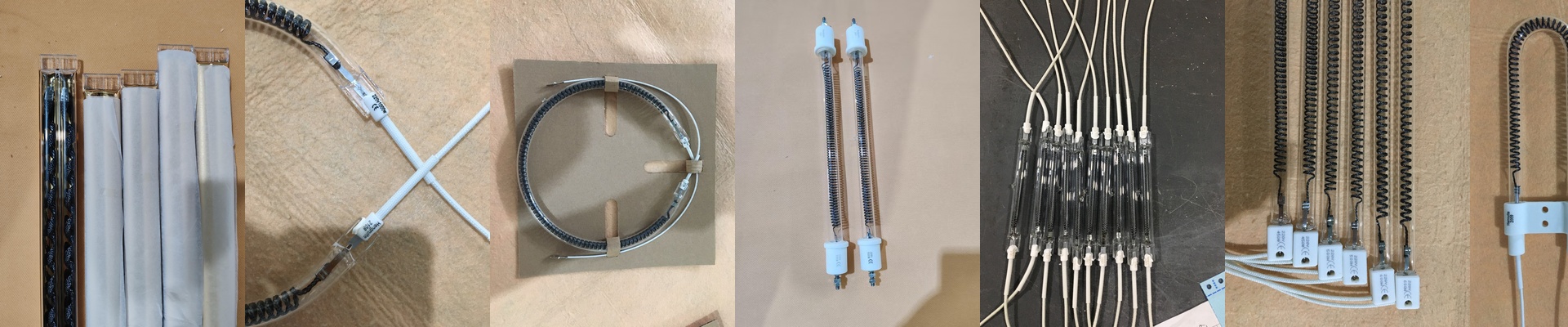
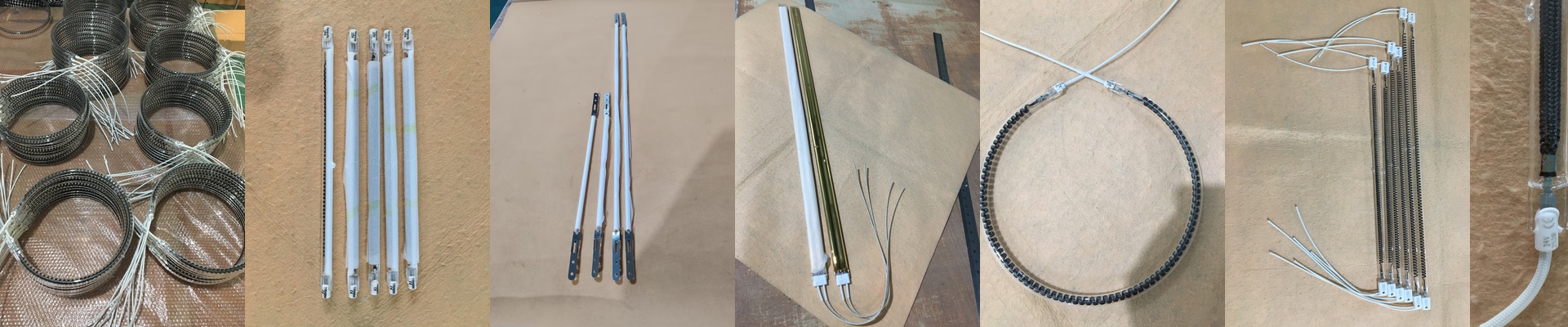
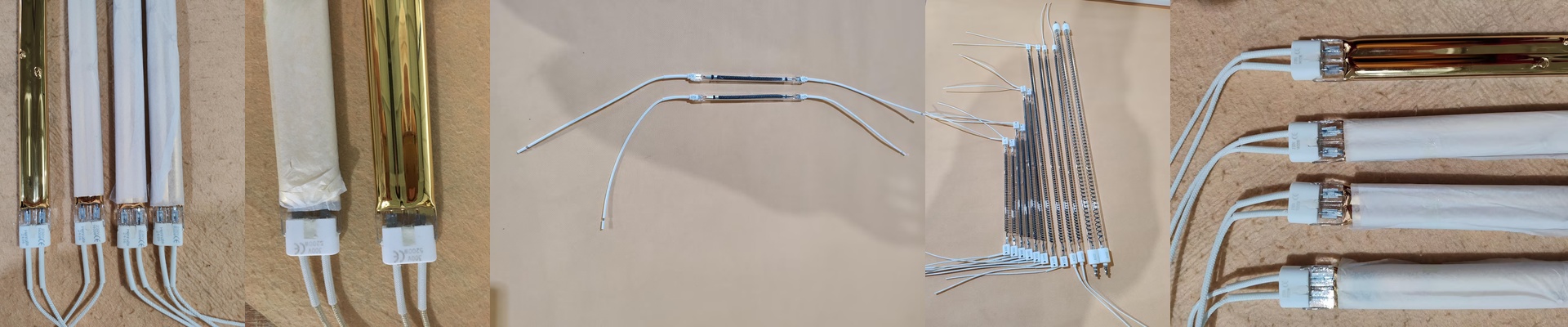
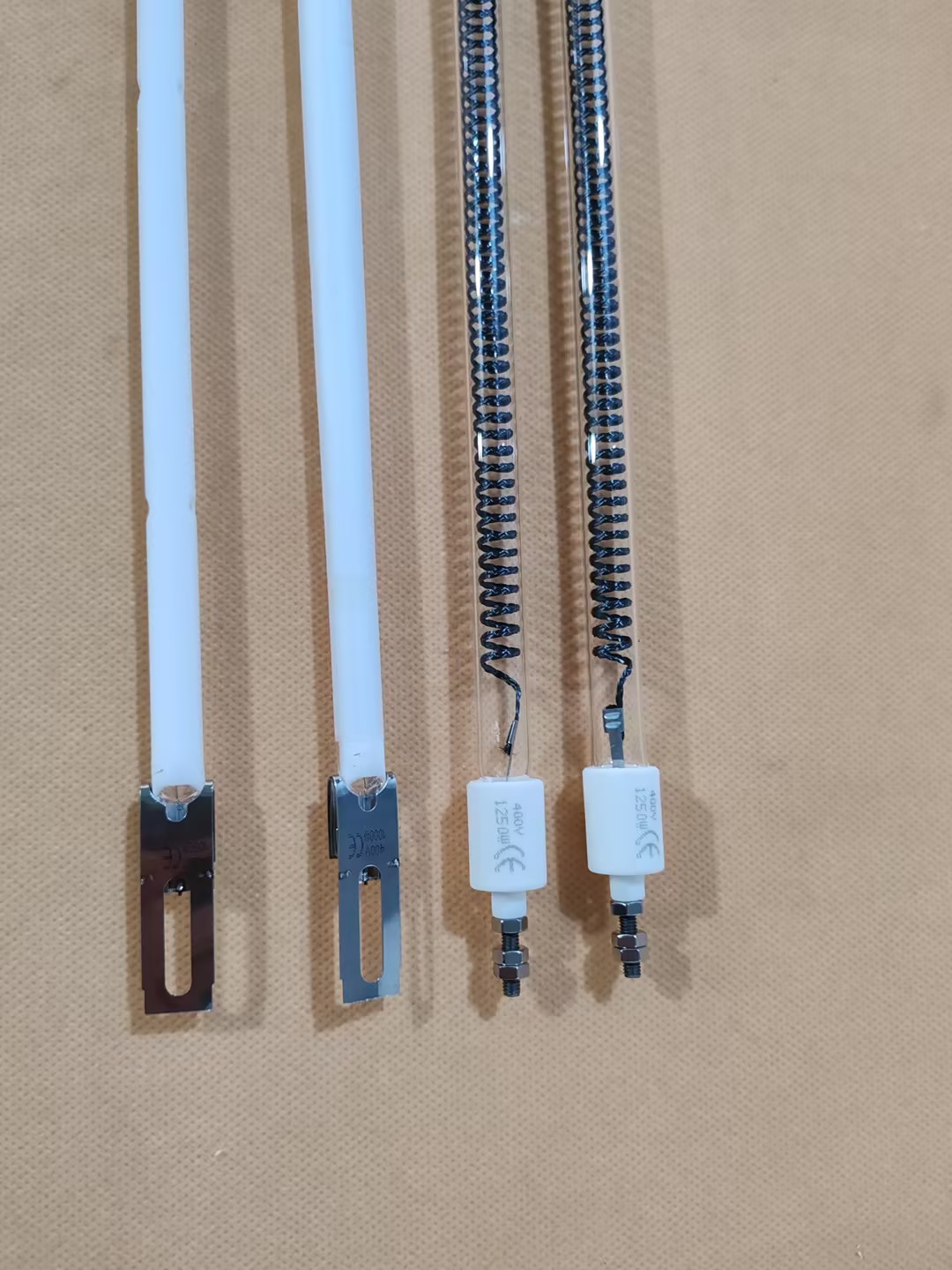
Let’s talk about the 220V 1000W Half-White Carbon Fiber Lamp
We built this lamp for those moments when you need heat now, but you don’t want to scorch everything in sight. It’s all about finding that sweet spot between a fast start and a steady, controlled glow. If you’ve used standard quartz halogen tubes before, you’ll notice a difference here. The carbon fiber element changes how the heat actually hits your materials—it digs in deeper rather than just sitting on the surface. The power side of things Running at 220V and 1000W means this thing is ready for a standard industrial setup. It hits operating temperature fast. Really fast. Just a heads-up: since it pulls a decent amount of power, double-check your wiring and relays. You don’t want to fry your terminals because the gear wasn’t rated for the load. It’s a simple check that saves a lot of headaches later. Why the “half-white” look? You’ll see a white coating on part of the quartz envelope. That’s not for looks; it’s there to steer the heat. The coated side reflects or spreads the infrared rays, while the clear side lets them blast straight through. This stops those annoying “hot spots” from ruining your workpiece. Instead, you get a nice, even warmth across the whole surface. Carbon fiber vs. the usual stuff Here is where it gets interesting. Metal filaments (like tungsten) can be finicky. They expand and contract, and if you flip the power on and off too quickly, they can just snap. Carbon fiber is tougher. It handles that rapid cycling without breaking a sweat, which makes it a great choice if your process involves a lot of intermittent heating. There is one catch, though. You won’t get the same extreme, millisecond “sear” that you’d get from a short-wave halogen tube. But if you’re drying, curing, or pre-heating? This is exactly the tool you want. One last pro tip: Pair this with a PID controller. It keeps the element from overshooting its limit and keeps everything running smooth.