A Practical Look at Carbon Fiber IR Lamps
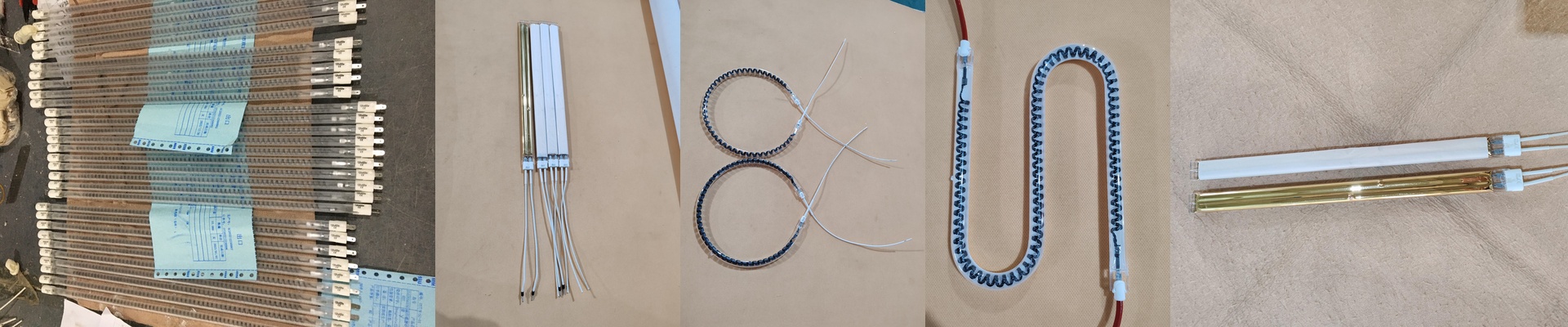
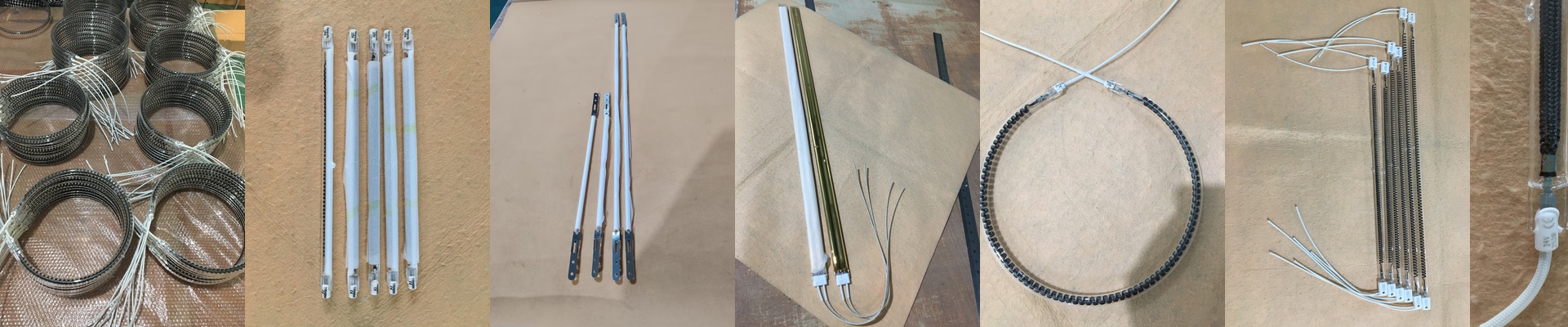
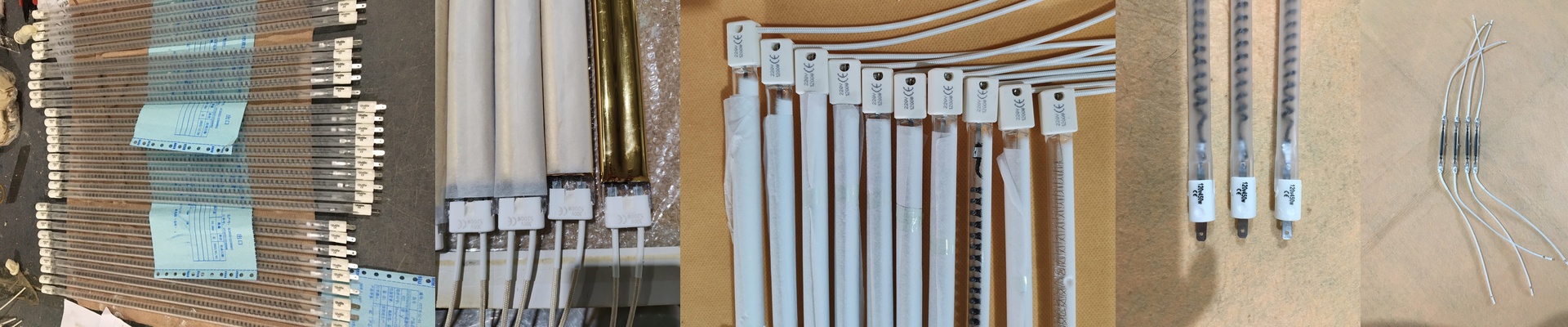
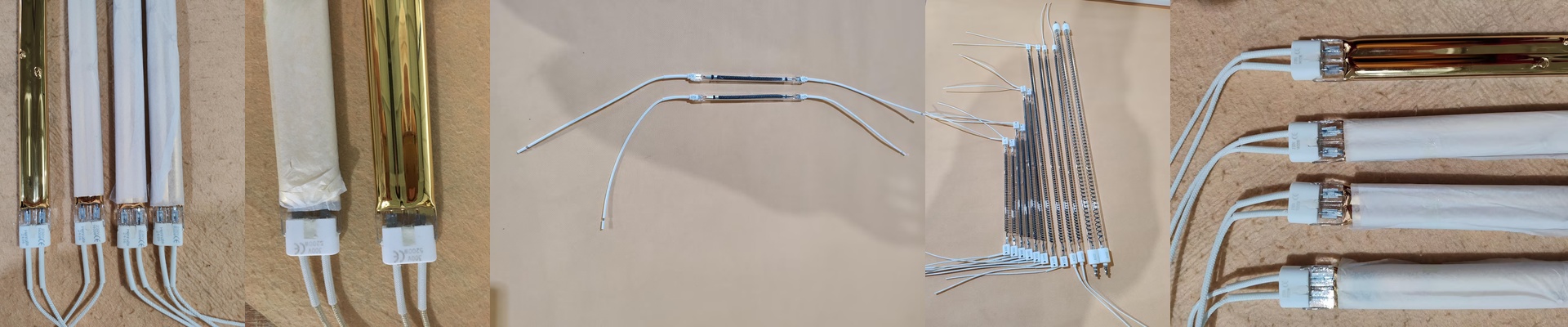
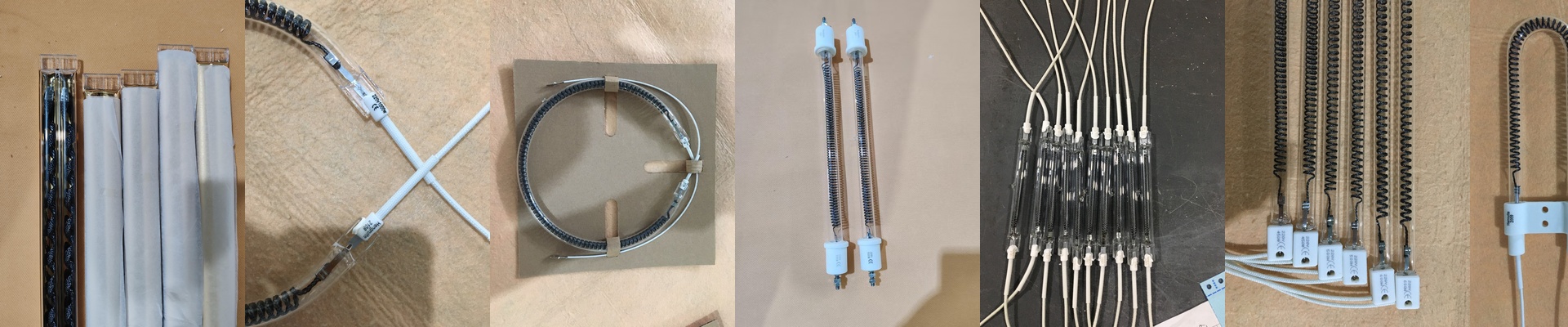
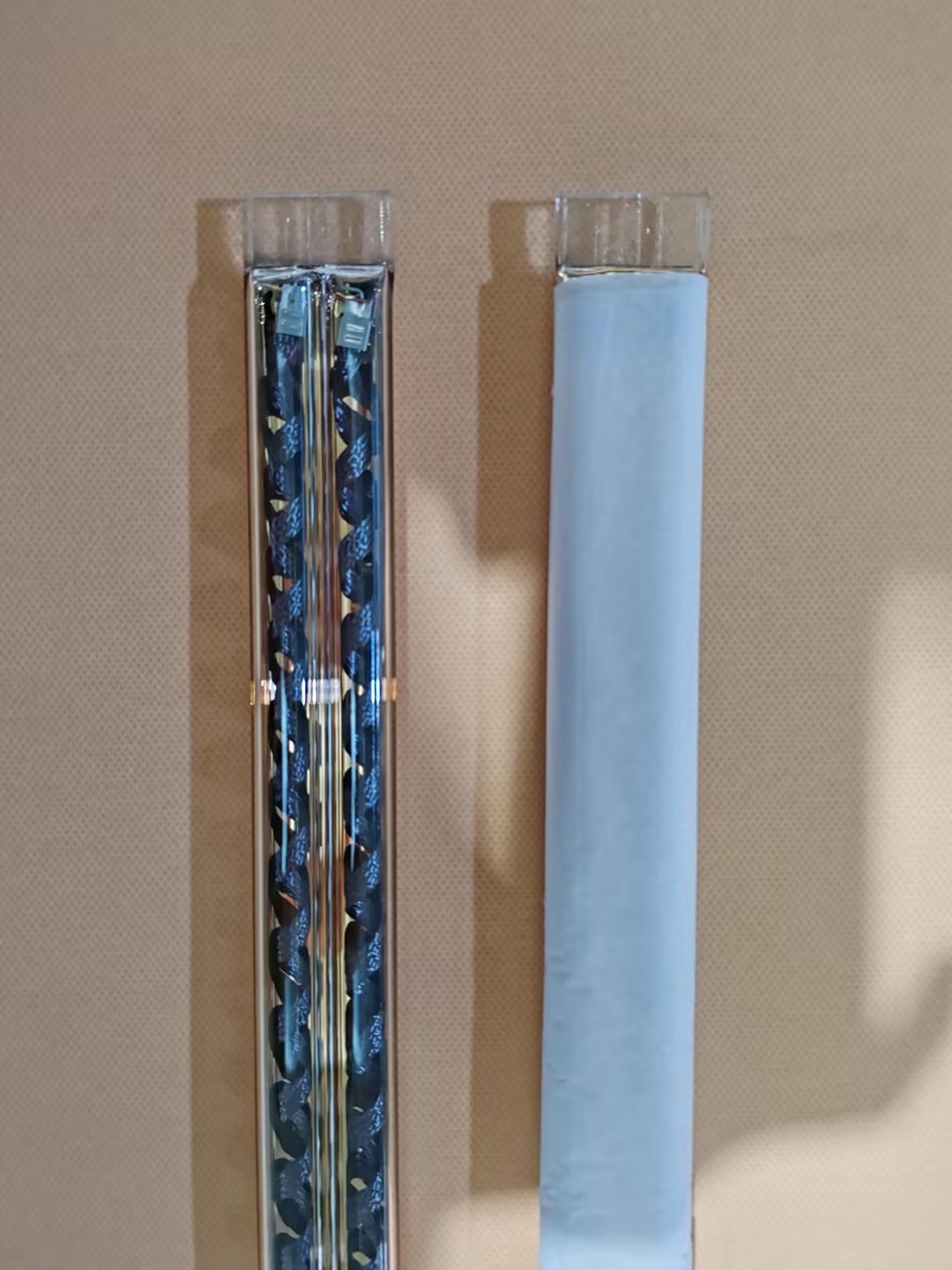
Think of these lamps as a more efficient way to move heat. Instead of a standard tungsten coil, we use a carbon filament tucked inside a quartz tube. It doesn’t need to get nearly as hot as the old-school versions to push out a ton of infrared radiation. If you need heat that hits hard and hits fast, this is the way to go. Talking Power and Heat You’ll see these coming in all sorts of voltages and wattages. But here’s the real trick: it’s all about heat density. If you cram a high-wattage filament into a short tube, that surface is going to get scorching hot in a heartbeat. It’s great for speed, but be careful. If your housing doesn’t have enough airflow, those end caps will fry. Trust me, you don’t want to be replacing lamps every two weeks because the air had nowhere to go. The Build and the Setup We stick with high-purity quartz for the glass. Why? Because it doesn’t freak out when the temperature swings wildly. Standard glass would just crack. For the plugs, we mostly use R7s or SK15 connectors. They’re the industry standard for a reason—you can just pop a dead lamp out and slide a new one in without having to tear apart your entire wiring rack. Plus, some of our tubes have a special coating. This tweaks the light spectrum so you can heat your material deeply without accidentally burning the surface to a crisp. Putting Them to Work You’ll see these all over the place—PET bottle blowing, curing paint, welding plastics. The best part is the ramp-up time. Unlike ceramic heaters that have to warm up the air around them, these just beam the heat directly into the part. It’s almost instant. Just a heads-up: these aren’t tanks. They’re a bit more fragile than those heavy metal-sheathed heaters. One clumsy move during installation and you can snap the filament. Treat them gently when you’re dropping them into the rack, and they’ll treat you well.