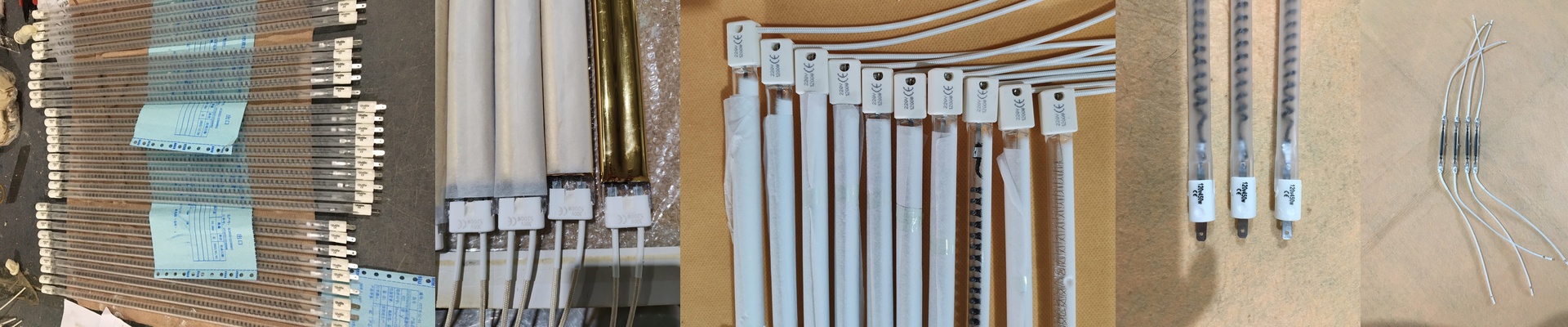

Getting Your MHM Heaters Right: The Truth About Molybdenum Lamps
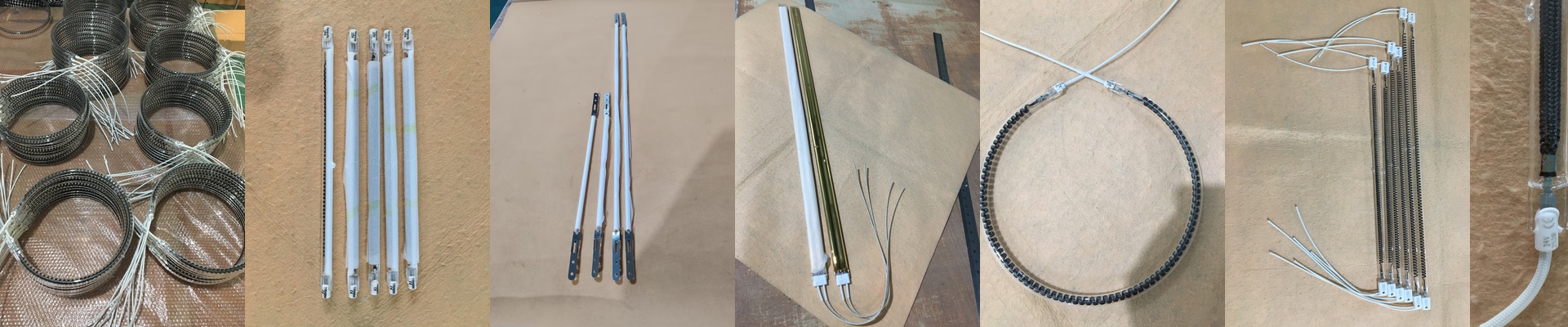
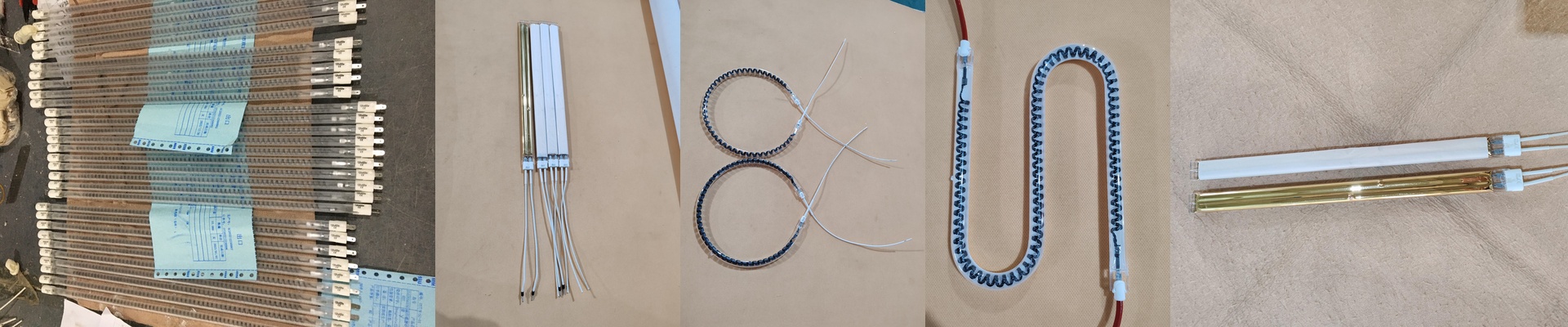
When you’re hunting for a replacement heater for your MHM printing machine, it’s easy to think you’re just buying a light bulb. But it’s more than that. You’re actually trying to recreate a very specific heat pattern. If you get that wrong, your prints suffer. That’s why we lean on molybdenum supports.
Why Molybdenum Actually Matters
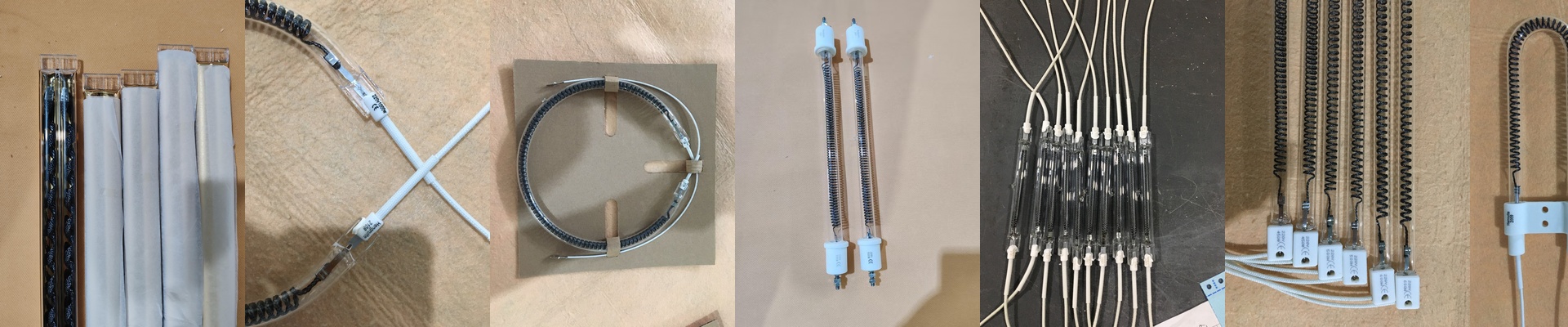
Here is the thing about standard quartz lamps: they tend to sag when things get really hot. When the filament sags, your focal point shifts. Suddenly, you’ve got hot spots in some places and cold spots in others. It’s a nightmare for curing. We use molybdenum to keep that tungsten filament locked in place. It stays rigid. It stays centered. Because it doesn’t warp under pressure, your heat stays consistent across the whole substrate. No guesswork, just an even cure every time.
Power, Voltage, and the “Burnout” Risk
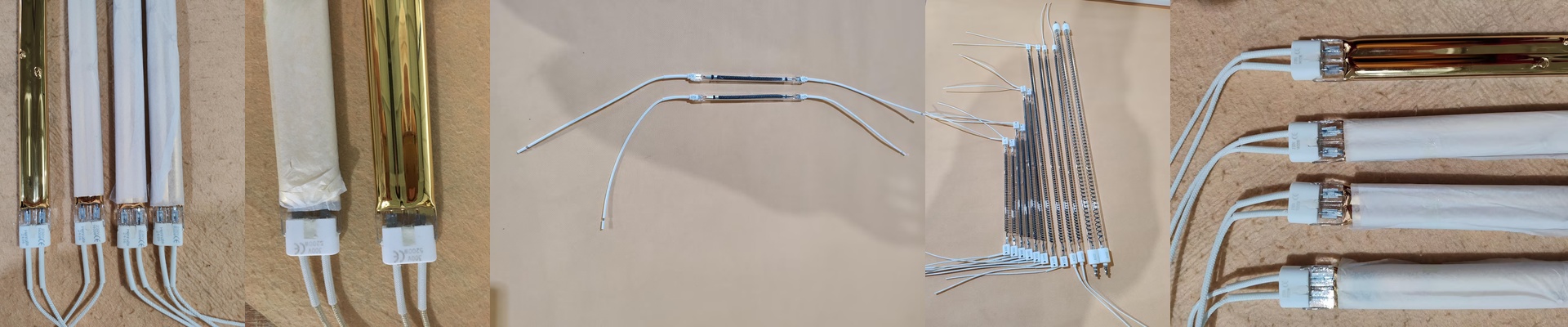
You can’t eyeball the wattage and voltage on these. If the specs are off, you’re looking at one of two problems: your ink won’t cure, or you’ll blow the lamp in a week. We build these to fit the exact footprint of your machine’s array. Now, high-wattage shortwave lamps are great because they hit hard and fast, which lets you crank up your line speed. But a word of caution: pushing more power through a shorter tube puts a lot of stress on your reflectors. Keep them clean. If they’re dusty or grimey, you’re basically throwing 30% of your energy down the drain.
Getting Them Installed (and Keeping Them Alive)
We use standard industrial connectors, so you can just wire them in. No need to start hacking away at your machine’s chassis. We also use high-purity quartz for the envelope so the IR radiation actually gets out of the lamp and onto your work. Just remember, these things take a beating in a high-volume shop, but they’re still glass.Use gloves. Seriously. The oils from your skin create tiny stress points on the quartz. You won’t see them, but the heat will find them, and the lamp will fail way sooner than it should. If you’re running these at 100% all day, every day, just keep an eye on your power draw every few months. It’s the easiest way to tell when a lamp is starting to tire out before it actually quits on you.