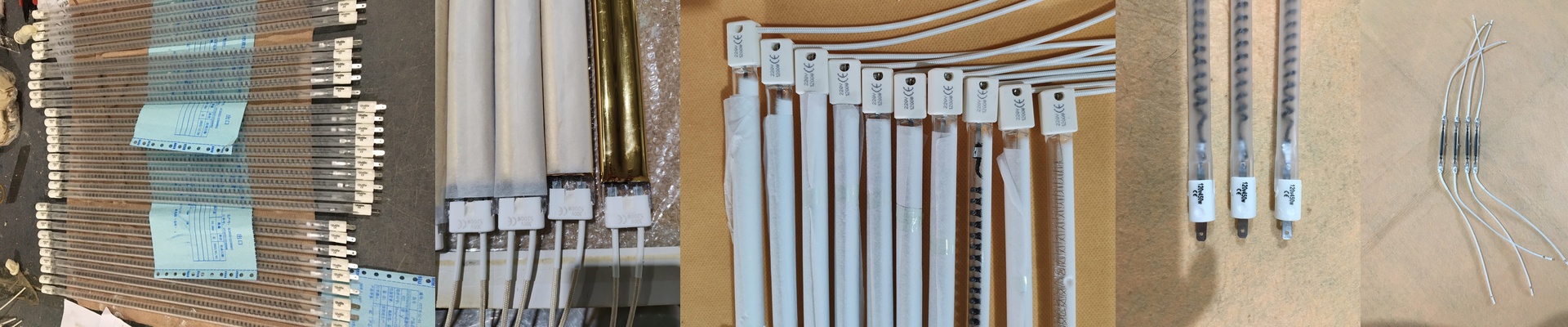
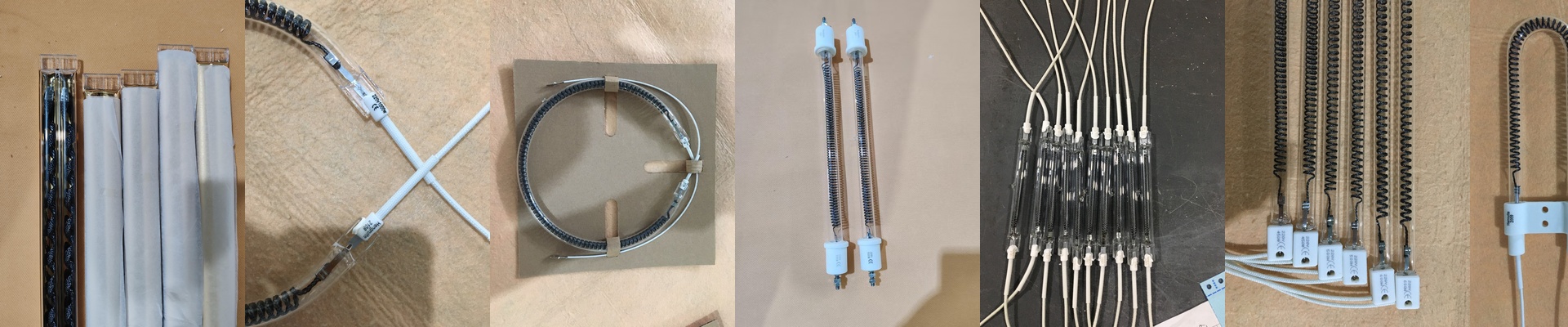
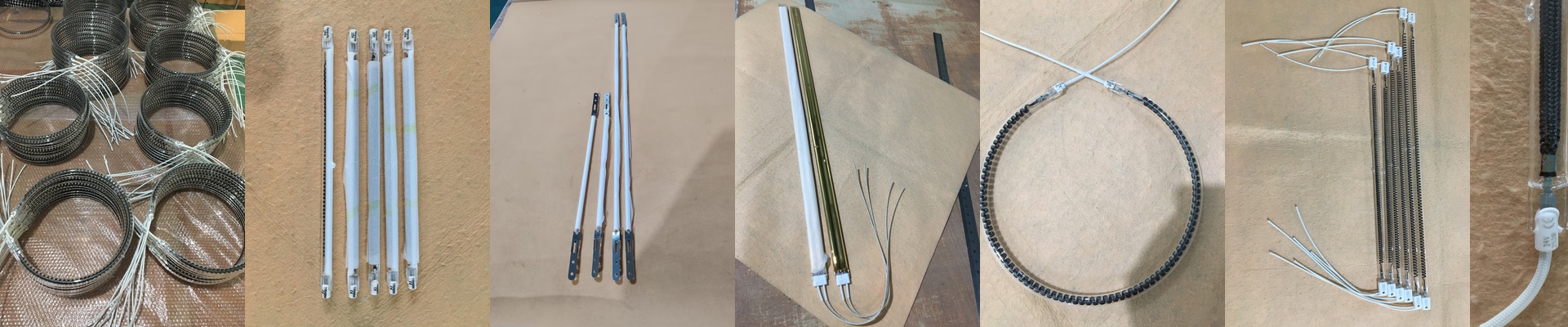
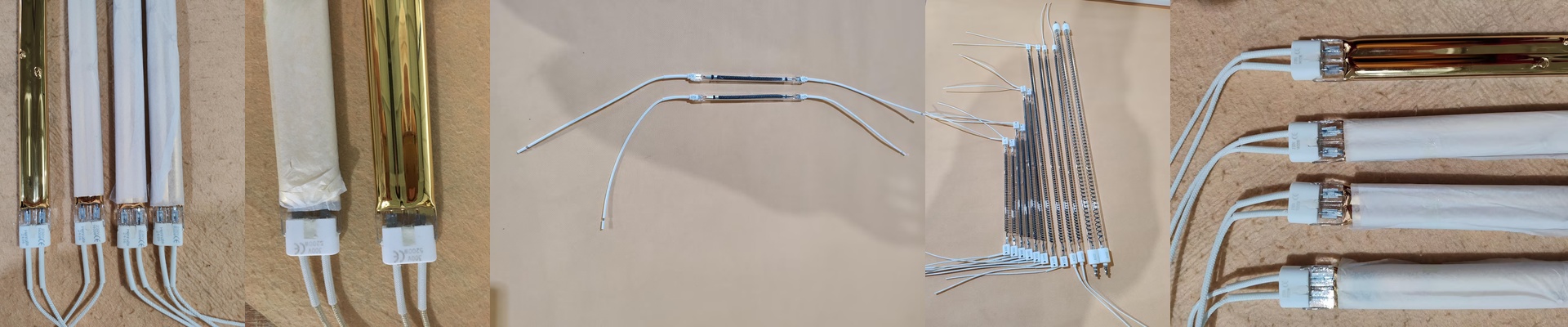
Getting Your MHM Printing System Back Up to Speed
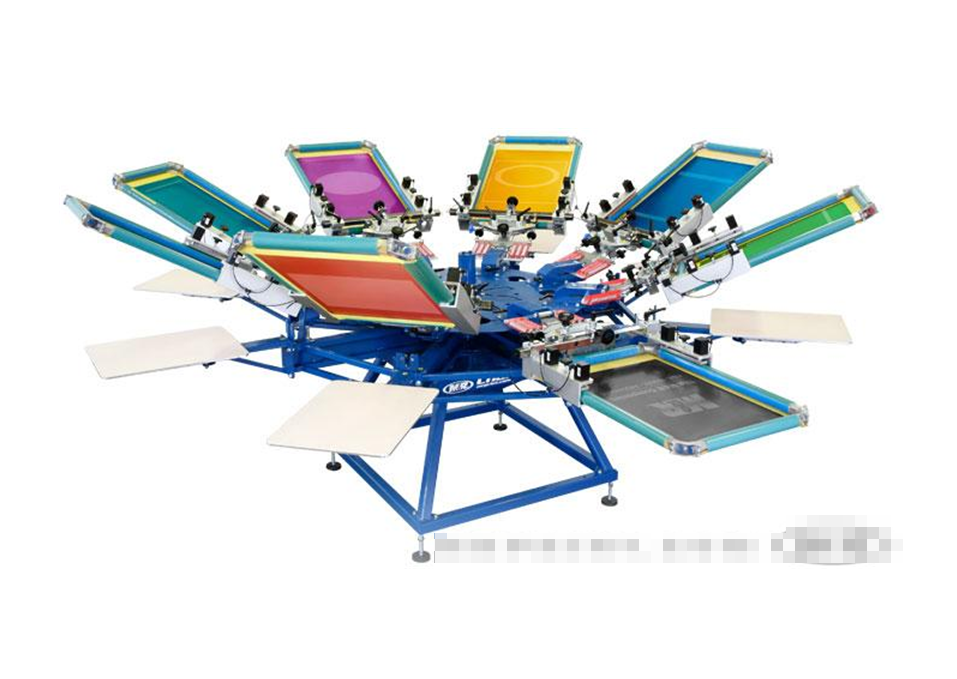
If you’ve ever worked with MHM machines, you know the struggle. You need that thermal profile to be exactly right. Too cold, and the ink doesn’t set. Too hot, and you’ve just scorched a garment you can’t replace. The real headache starts when you move away from OEM parts. Usually, you end up with a mismatch in heat density or wavelength. That’s how you get those annoying “cold spots” that ruin a whole batch of shirts.
Why IR is the way to go
You might wonder why we don’t just use lasers. Sure, lasers are great for 3D printing, but for curing textiles, you need Infrared (IR). We stick with short-wave IR because it goes straight for the ink molecules. It doesn’t waste time heating up the air around the garment first. For you, that just means your ramp-up time disappears. You get to work faster.
Getting the specs right
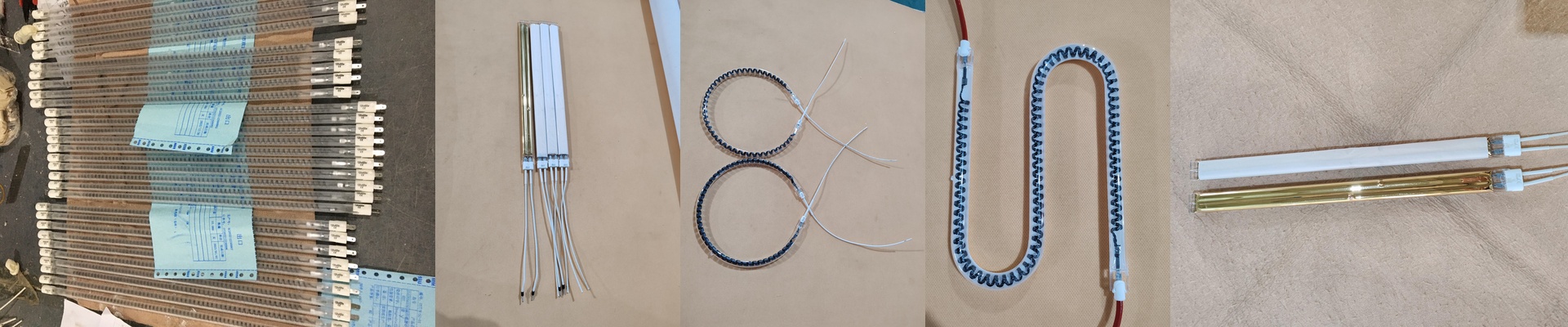
Here is the thing: you can’t just look at the total wattage and call it a day. That’s a trap. What actually matters is the linear power density—basically, how many Watts you’re packing into every centimeter. If you put in a high-wattage lamp but it’s too long, the intensity drops. The ink won’t “snap-cure,” and you’re back to square one. We use a specific kind of doped quartz glass to shift the emission spectrum. It ensures the heat hits the ink, not just the surface of the fabric. And a quick tip if you’re doing the wiring yourself:**Double-check your voltage rails.**If they don’t match, you’ll either pop the filament the second you flip the switch or find yourself staring at a lamp that never actually gets hot.
The trade-offs
These high-density lamps pull a lot of power. If you’re pushing for max heat to speed up your production line, your cooling fans have to keep up. If the housing gets too hot, the lamp’s lifespan takes a dive. It’s a simple balance: more heat means you need more airflow. The good news? We built these to be simple drop-in replacements. They fit right into your existing brackets and connectors. No drilling, no hacking the chassis, no stress. Just plug it in and get back to printing.