Getting Your IR Heat Right for 3D Print Curing
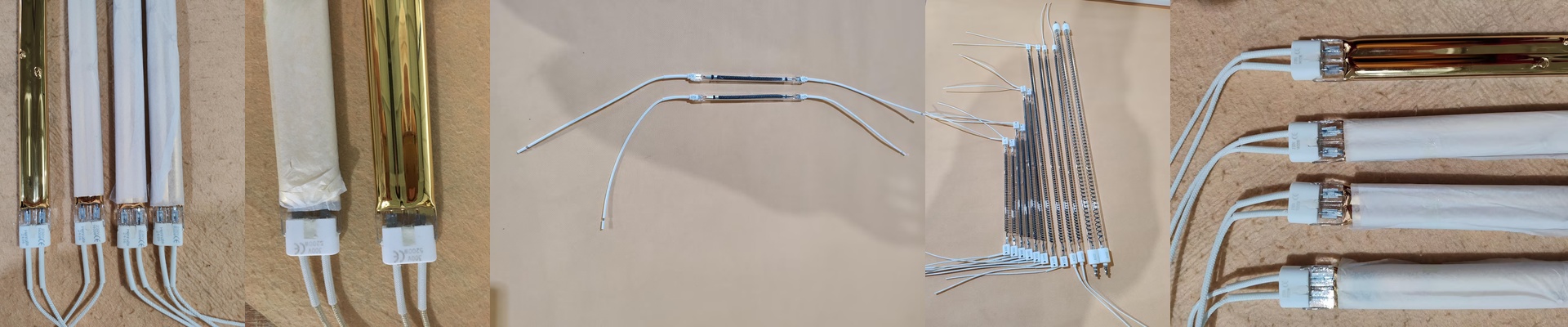
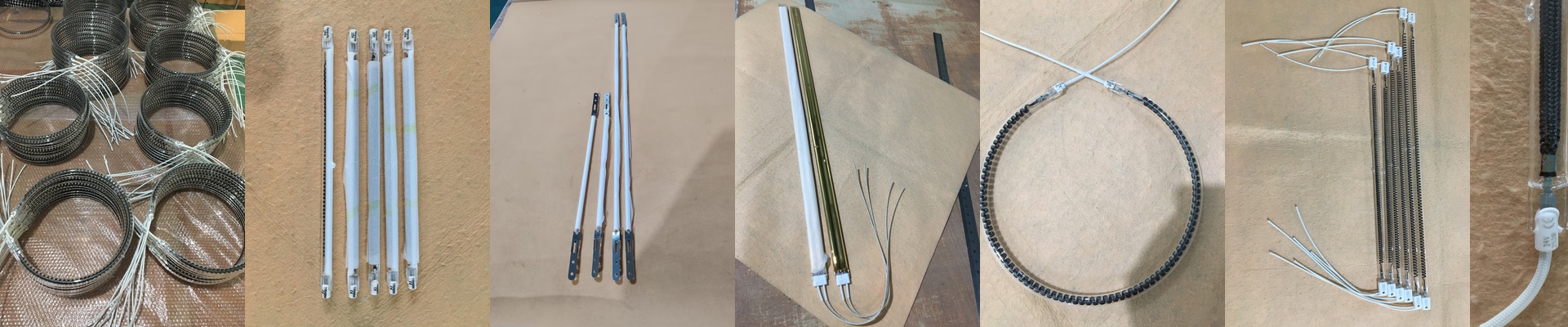
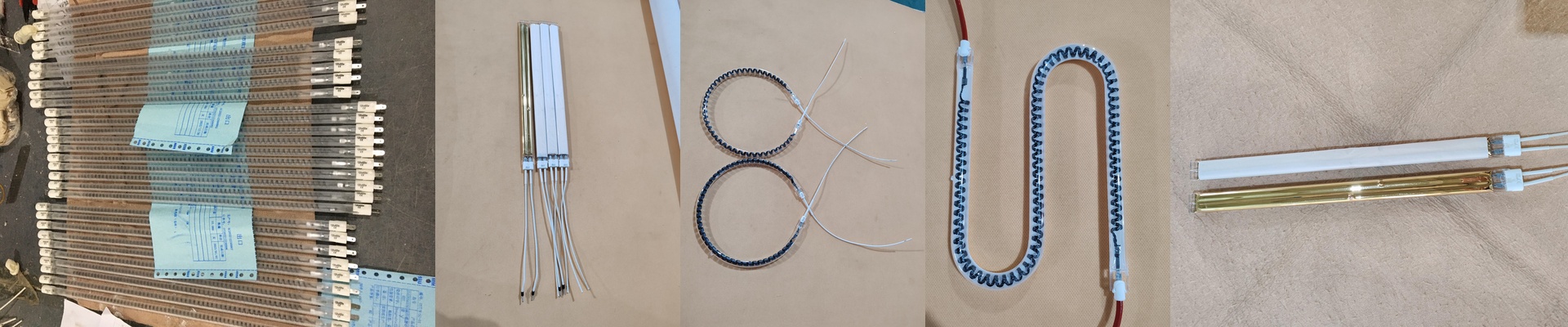
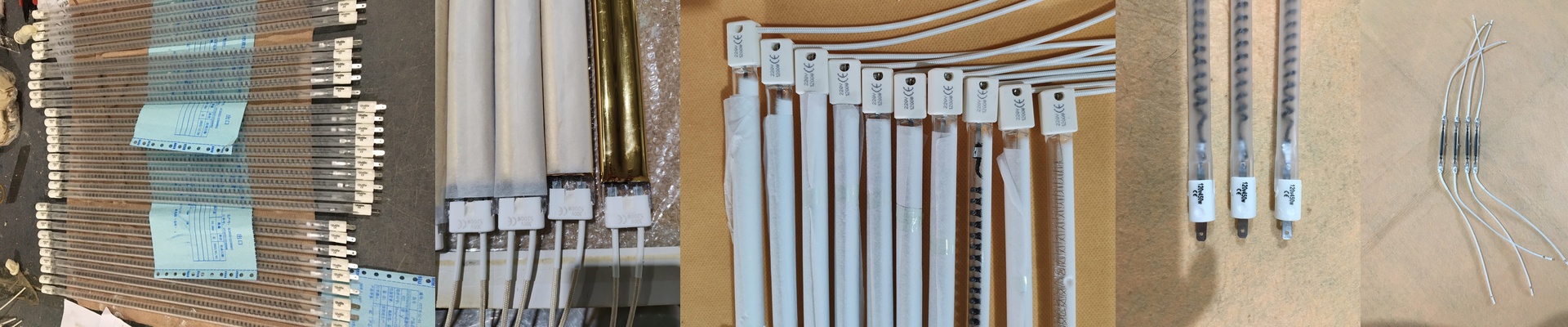
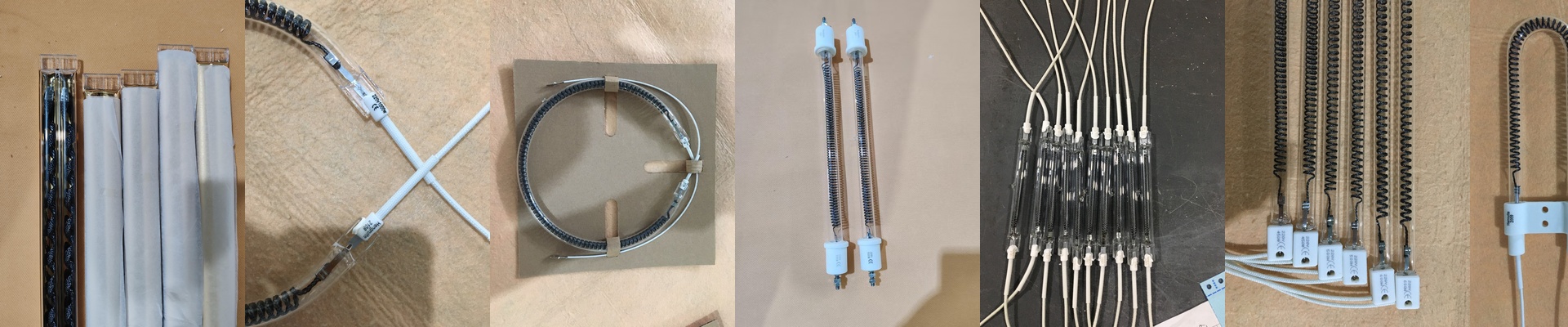
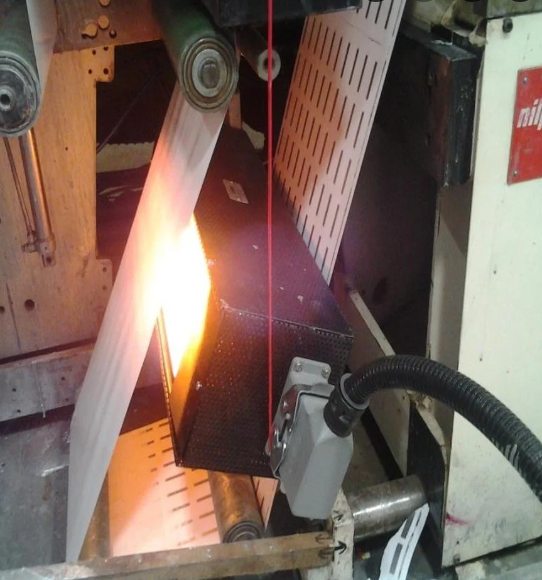
Curing 3D printed parts is a bit of a balancing act. You need just the right amount of heat to lock in that polymerization or get rid of internal stresses without ruining the piece. We build our infrared (IR) lamps to the same tight specs as the big-name industrial brands. The physics are the same for everyone. Where we actually make a difference is in the grit—the quality of the quartz we use and how precisely we wind the filament. Getting the heat density right Here’s the thing: if you cram too much wattage into a small space, you’re going to have a bad time. You’ll end up with hotspots that scorch your resin or warp the part entirely. That’s why we focus on the wattage-to-length ratio. We also use high-purity quartz glass. It sounds like a small detail, but it means the IR radiation actually hits your material instead of getting trapped and absorbed by the lamp itself. One quick tip: make sure your power supply matches the lamp’s voltage exactly. Even a tiny bit of over-voltage can fry the filament way sooner than it should. The guts of the lamp To keep these things from burning out, we use halogen-filled tubes. It creates this cycle where evaporated tungsten actually moves back onto the wire. This stops those annoying thin spots that usually lead to a dead bulb. And we didn’t overcomplicate the connectors. We stick with R7s or SK15 bases. Why? Because you should be able to just pop a new one in without having to rewire your entire oven. We’ve seen plenty of cheap connectors arc and spark under high loads. To stop that, we use gold-plated or heavy-duty nickel contacts. It’s just safer. A few things to watch out for High-intensity IR lamps are great because they heat up instantly. But they’re hungry. When you’re wiring up a bank of these, your contactors need to be ready for that initial surge of power. Plus, remember that these tubes gethot. Really hot. If your oven’s ventilation isn’t pulling heat away from the ends of the lamp, you’ll end up melting your socket housings. Not a great look.