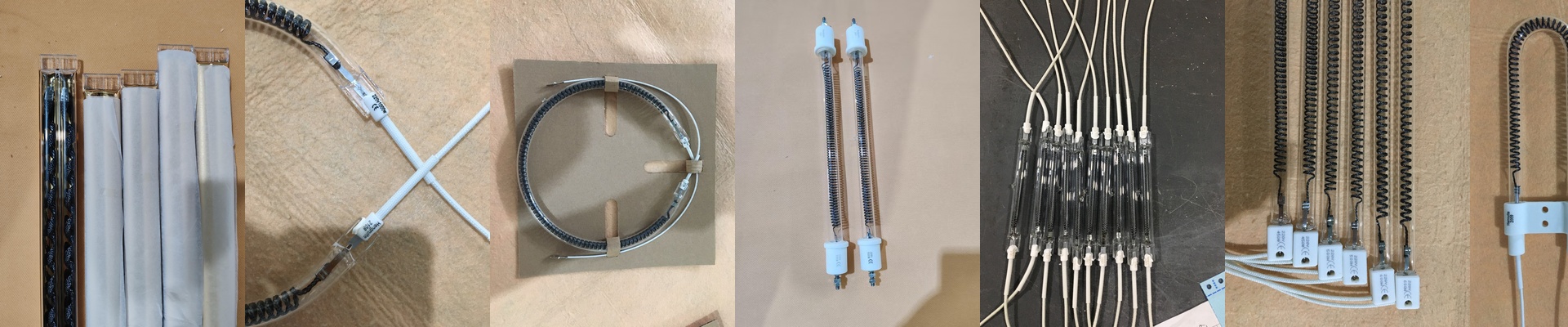
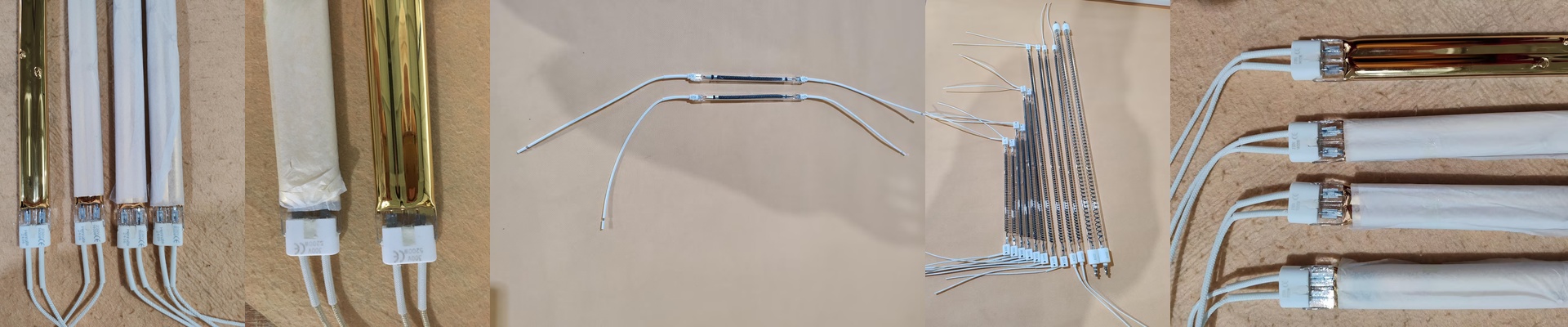
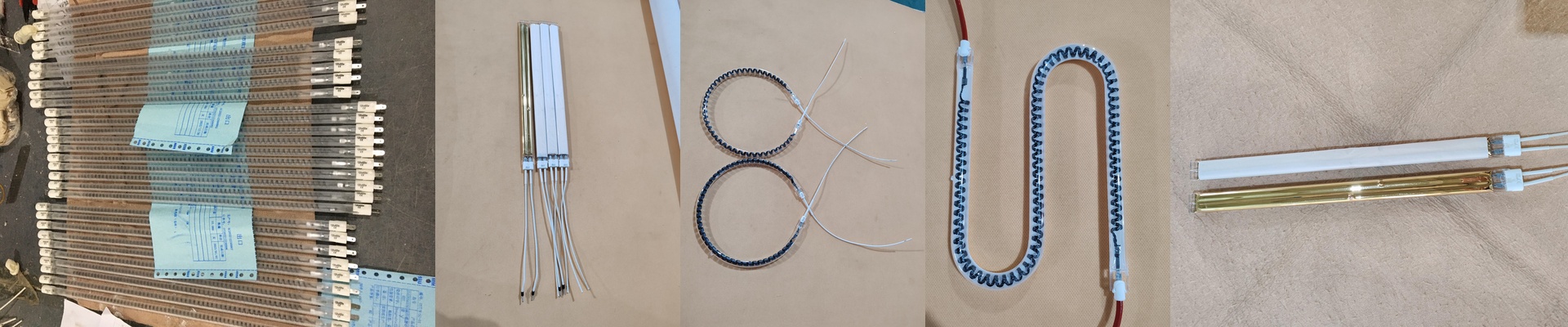
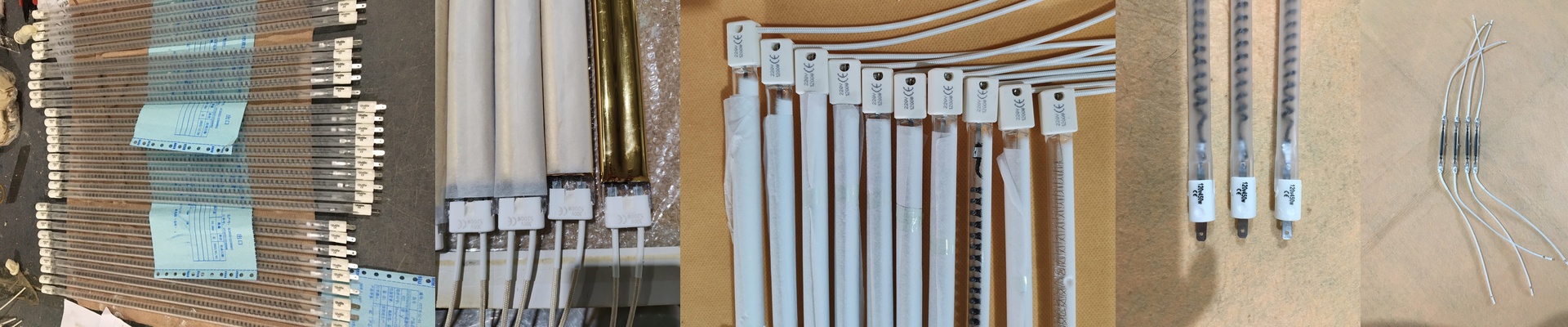
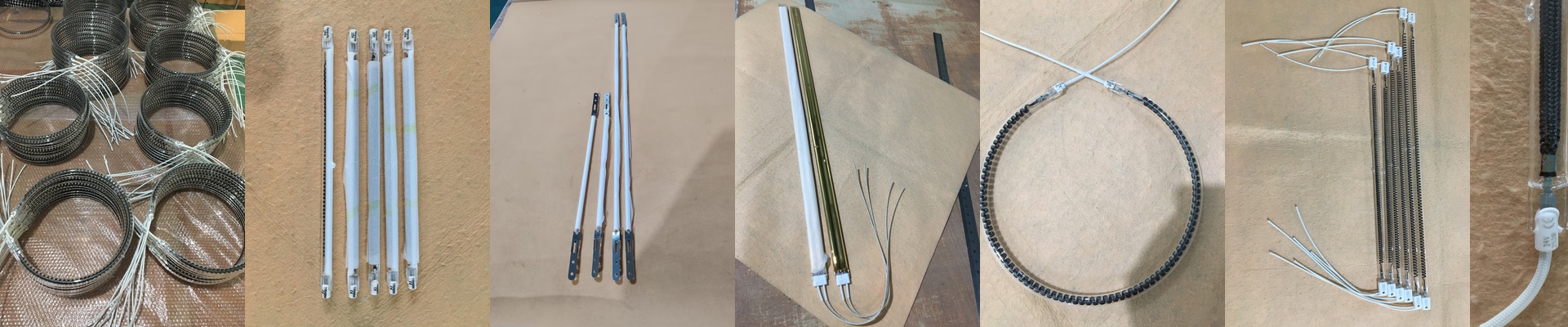

Getting Your MHM Printing Gear Back Up to Speed
When you’re running MHM machines, you know the drill. You need that heat to be just right—hot enough to cure the ink and dry the adhesives, but not so hot that you end up scorching your fabric. If you’re looking to swap out those expensive OEM lamps for something else, you can’t just grab any bulb. You need a replacement that actually does the job without making you tweak your entire setup. The power struggle Here’s the thing: if you want your drying speeds to stay where they are, you have to match the wattage and voltage exactly. I’ve seen people try to save a few bucks by swapping a high-voltage halogen tube for a lower-wattage one. It never ends well. You end up with wet ink, a backed-up production line, and a lot of stress. We focus on the grit—the exact length and how the power spreads across the quartz tube. Just a heads-up, though: high-wattage tubes put a lot of pressure on your power supply. Make sure your wiring and breakers can handle the spike when you flip the switch, or you’ll be staring at a tripped breaker instead of printing. It’s all about the quartz Most of these lamps use short-wave infrared (SWIR) halogen tech. We use heavy-wall quartz because, frankly, thin glass bows and warps when things get hot. Then there are the coatings. Some lamps need them to bounce heat back toward the print or to stop UV rays from turning your whites yellow. If you use a plain tube where a coated one belongs, you’re basically wasting electricity to heat up the machine’s frame instead of the ink. Not a great way to run a business. The “Click” Factor This is where most third-party lamps fall apart. If it doesn’t fit perfectly, it’s useless. We use standard R7s or Sk15 connectors so the lamp actually seats firmly in the socket. Why does that matter? Because a loose fit creates “arc points.” That’s just a fancy way of saying it’ll spark and burn your sockets to a crisp. These are designed to slide right in. But do me a favor: double-check the physical footprint before you power them up. And one last tip—keep an eye on your cooling fans. High-density lamps make the tunnel get really hot. If your fans are clogged with lint and dust, your brand-new lamps are going to burn out way faster than they should.