Let’s Talk Carbon-Coated Glass Tube Heaters
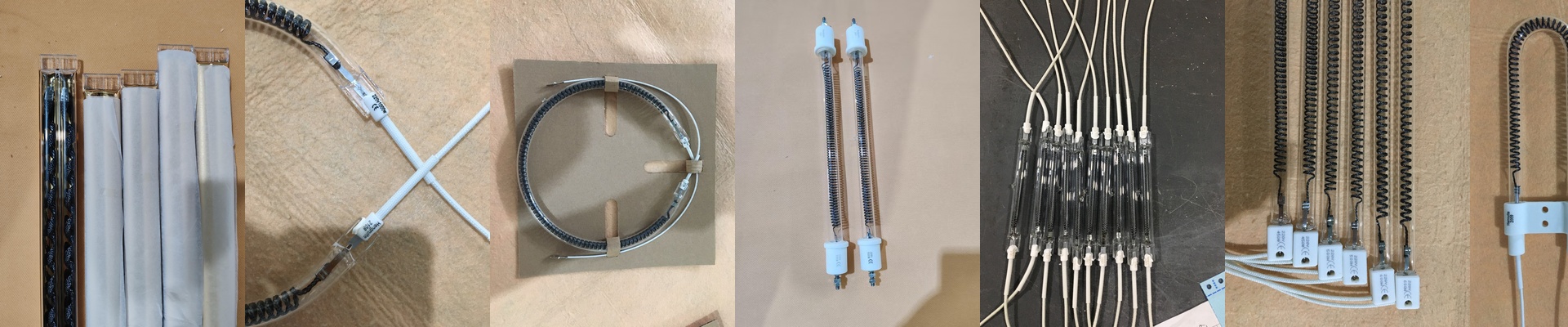
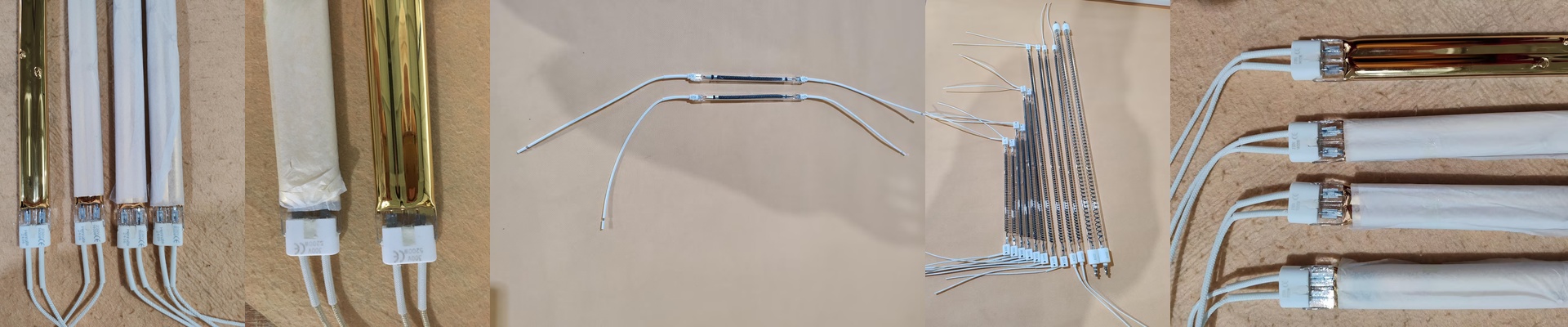
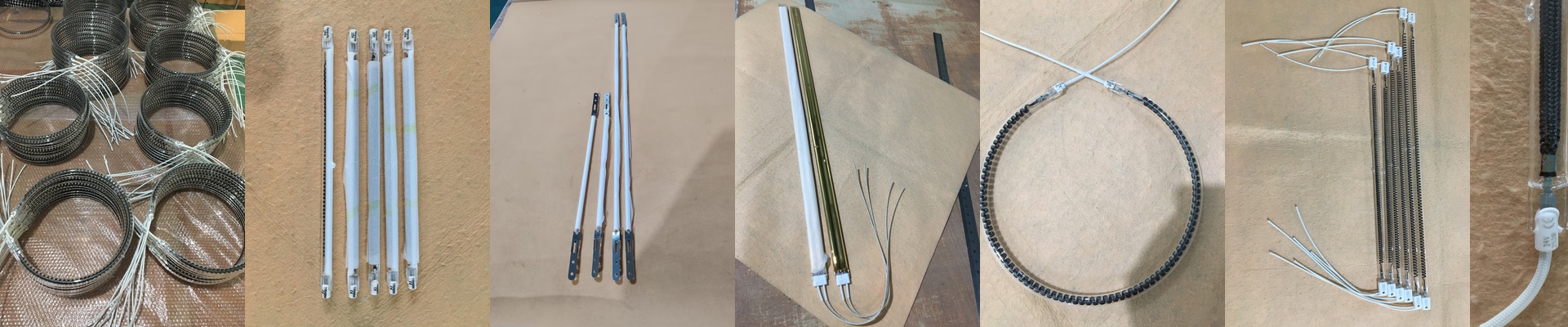
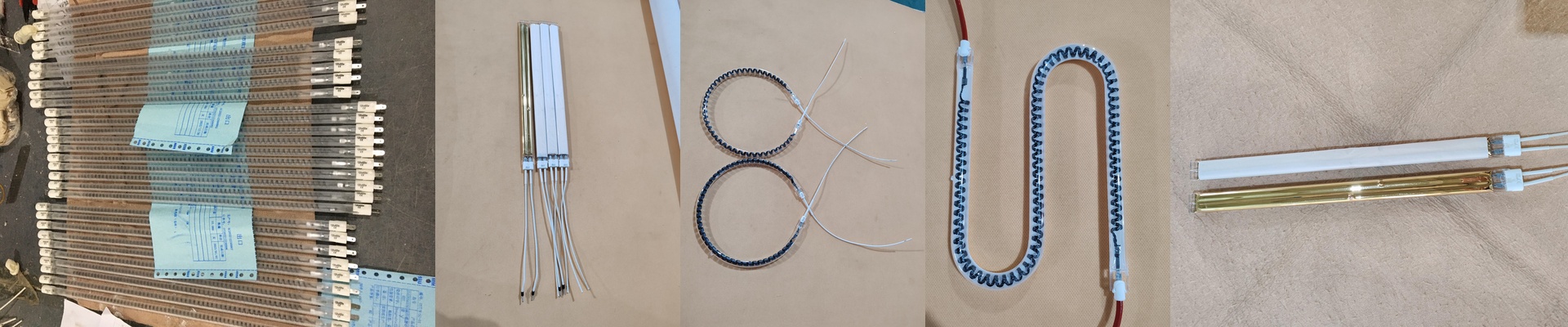
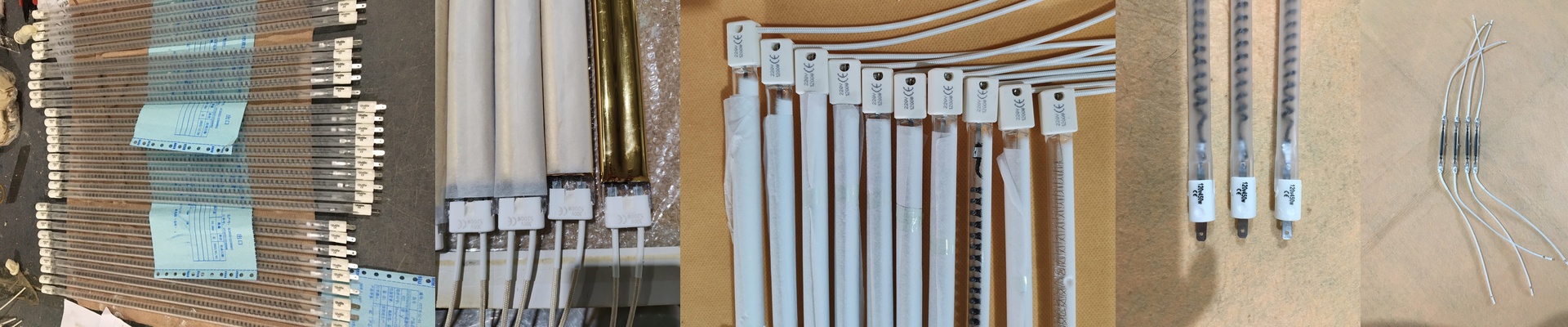
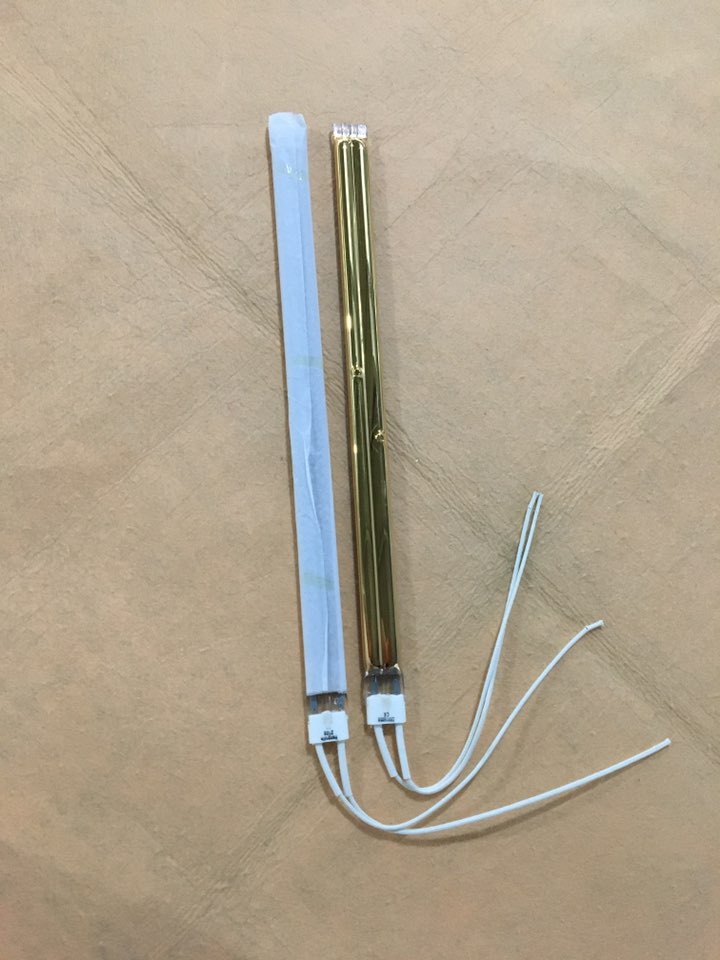
If you’ve ever used a standard clear quartz lamp, you know they’re basically just a glowing filament. They work, but they aren’t for everyone. That’s why we do things differently with carbon-coated heaters. Instead of leaving the glass clear, we wrap the outside in a thin layer of carbon. It changes the whole vibe of the heat. Rather than just glowing, the entire tube becomes a radiator. This shifts the energy into a medium-to-long wave spectrum, which is a fancy way of saying the heat actually sinks into your materials instead of just bouncing off the surface. The nitty-gritty on power and voltage We can build these to handle some serious power, regardless of how long the tube needs to be. Here is the thing: if you go with a high-voltage setup—say 230V or 400V—you’re packing more wattage into every centimeter. It’s great because you get a smaller footprint without losing any heat. But be careful. High-wattage tubes hit their peak temperature fast. Really fast. Just make sure your wiring and power supply can take that initial hit when you flip the switch. You don’t want to be chasing a blown fuse five minutes into your shift. What they’re made of The heart of the tube is high-purity quartz. We use it because it can take a beating. It handles extreme heat without warping or twisting out of shape. Then there’s that carbon coating. It does a lot of the heavy lifting by spreading the heat evenly across the whole surface. No more “hot spots” that accidentally scorch your product. As for getting them into your machines, we stick to the basics. We use R7s or Sk15 connectors. They click right in. It makes these a simple drop-in replacement for most industrial ovens, so you aren’t spending your afternoon rewiring the whole shop. Where they actually work (and the trade-off) You’ll see these all over the place—PET blowing, curing paint, welding plastics. One thing operators love? They aren’t blinding. Because of the coating, you don’t have that harsh, searing light hitting your eyes all day. It’s much easier on the vision. But there is a catch. That carbon layer adds a bit of thermal resistance. It makes the heat more uniform, sure, but it also means the tube takes a few extra seconds to get up to full speed compared to a bare halogen lamp. Just keep that ramp-up time in mind when you’re timing your production cycles. Give it a moment to breathe, and it’ll do the job perfectly.