Getting Your M&R Flash Systems Back Up to Speed
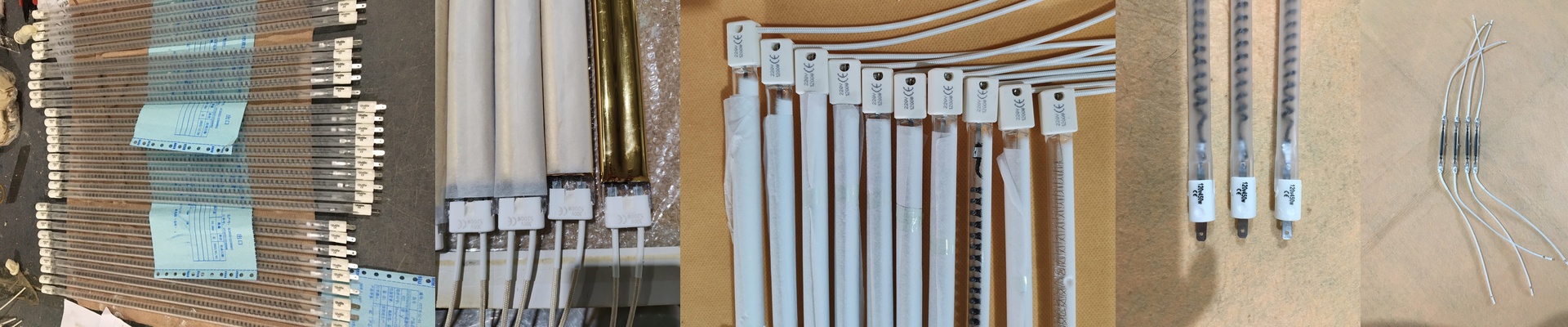
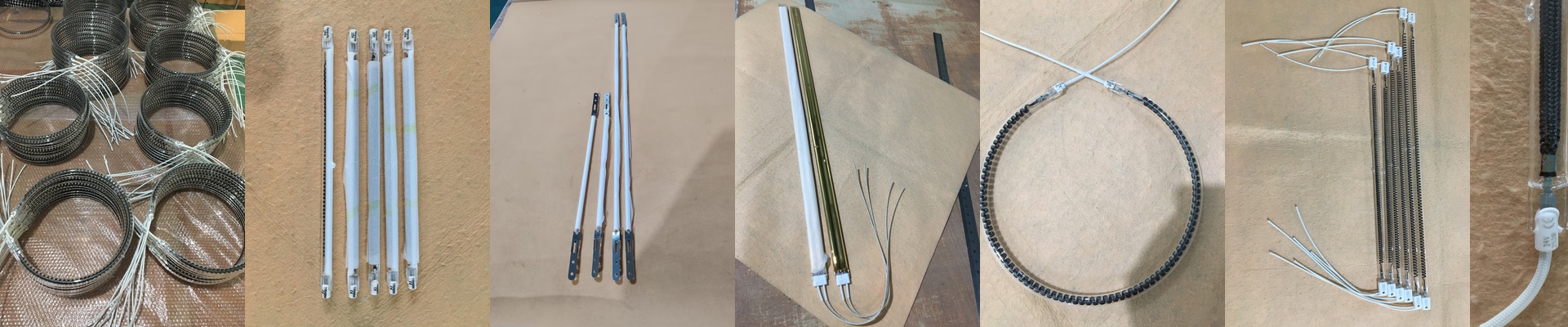
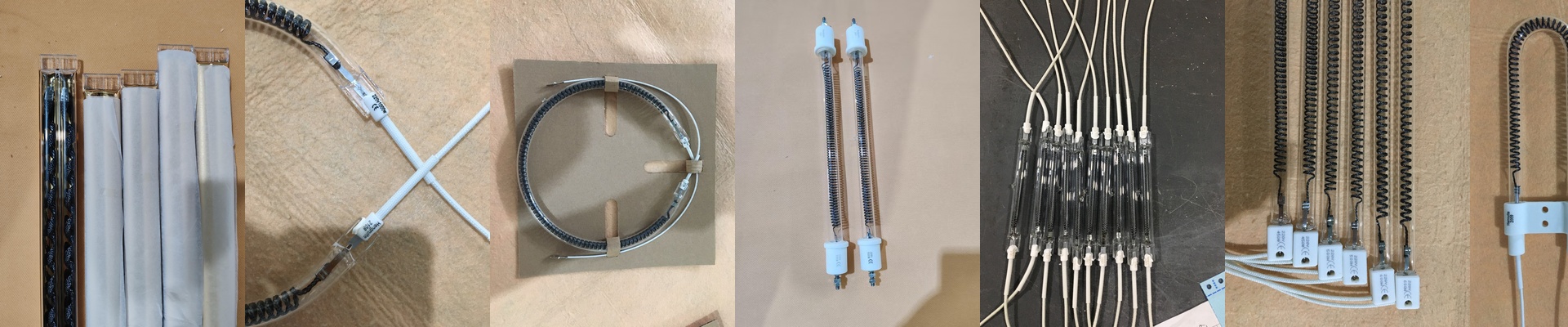
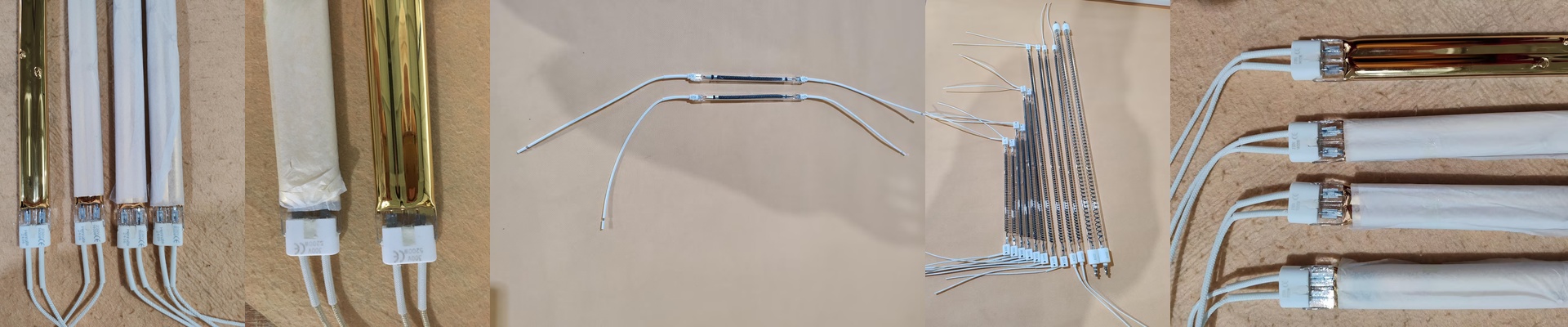
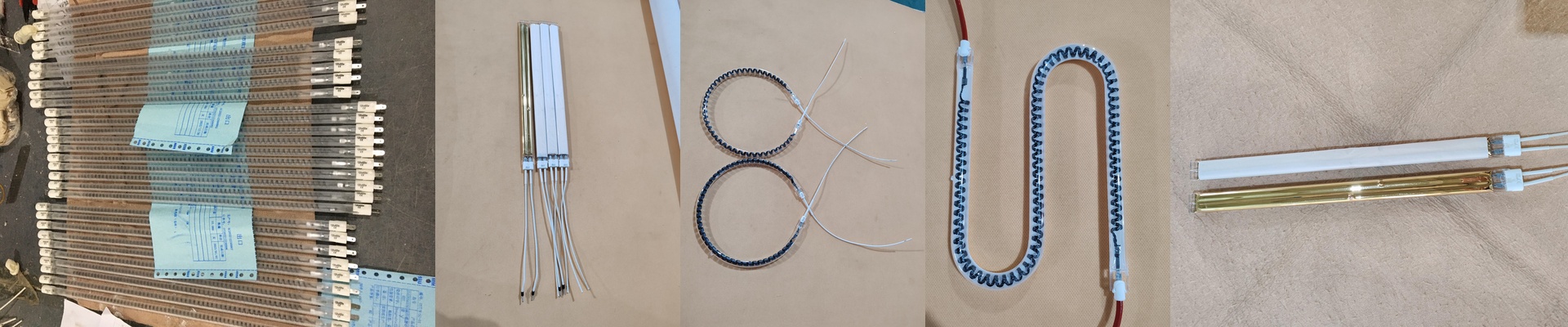
When you’re running M&R flash curing systems, it’s all about that sweet spot. You need enough heat to set the ink instantly, but not so much that you end up scorching your shirts. We spent a lot of time building our infrared lamps to be a direct swap for the OEM parts. You get the same performance, but you stop paying that “brand name” tax on your maintenance. The Power Struggle Here’s the thing about high-wattage tubes: you’re cramming a massive amount of thermal energy into a tiny space. It’s intense. To keep the tubes from warping under all that stress, we use high-grade quartz glass. But a quick heads-up—check your wiring. These lamps hit hard on a cold start. If your electrical setup is old or frayed, these high-output tubes will find that weak spot and exploit it. Where Things Usually Break Most lamp failures happen right at the connection point. We’ve seen it a thousand times. Poor contact leads to arcing, which basically fries the socket. To fix that, we use standardized sockets that slide right into M&R frames without you having to mess around with modifications. We also use heat-resistant alloys in the contacts to keep everything tight. It stops those “hot spots” that usually kill off the cheap, generic lamps you find online. The Trade-off These lamps are designed for high short-wave IR output, meaning they penetrate the ink fast. It’s efficient. The catch? They put a lot of heat on the machine frame. Since they hit peak temperature faster than a standard bulb, your exhaust fans need to be working perfectly. If your airflow is blocked, the heat just builds up and eats away at the lamp’s lifespan. We kept it simple. We focused on the physics of the filament and making sure the seal is airtight. You get the same curing speed you’re used to, without the markup. Just wire them up, set your timers, and get back to printing.