Getting the Most Out of Your Carbon Infrared Lamps
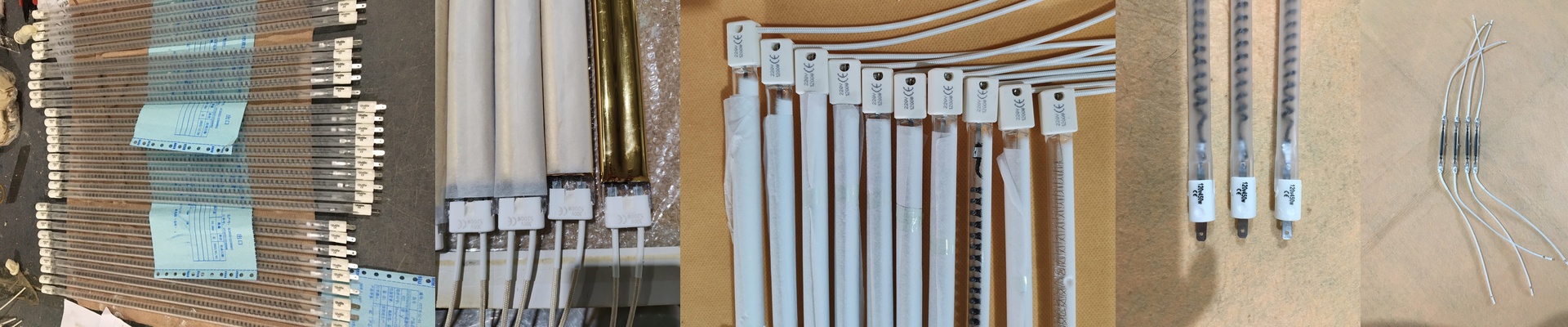
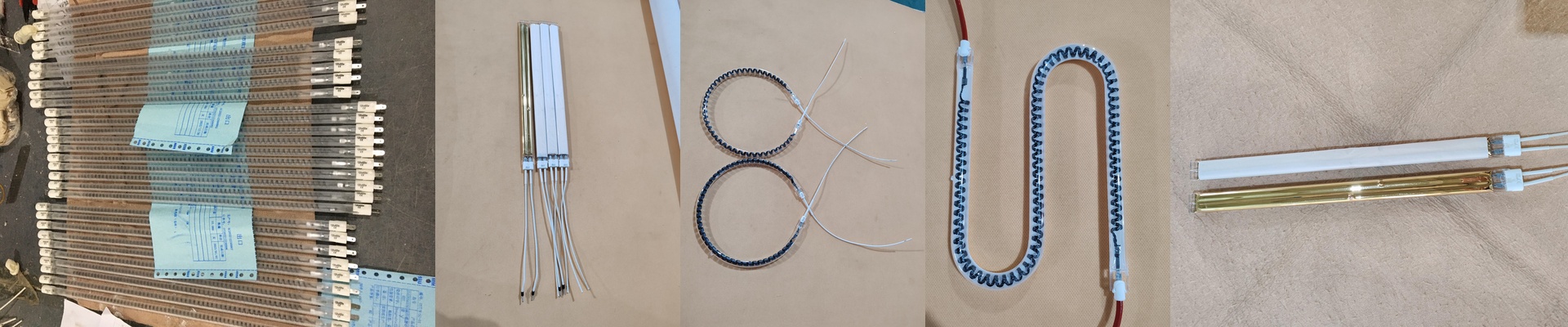
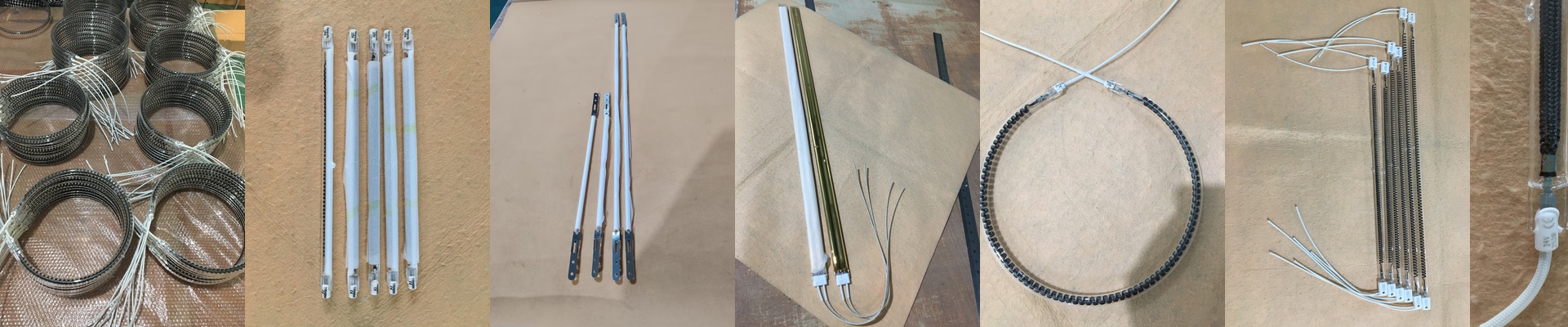
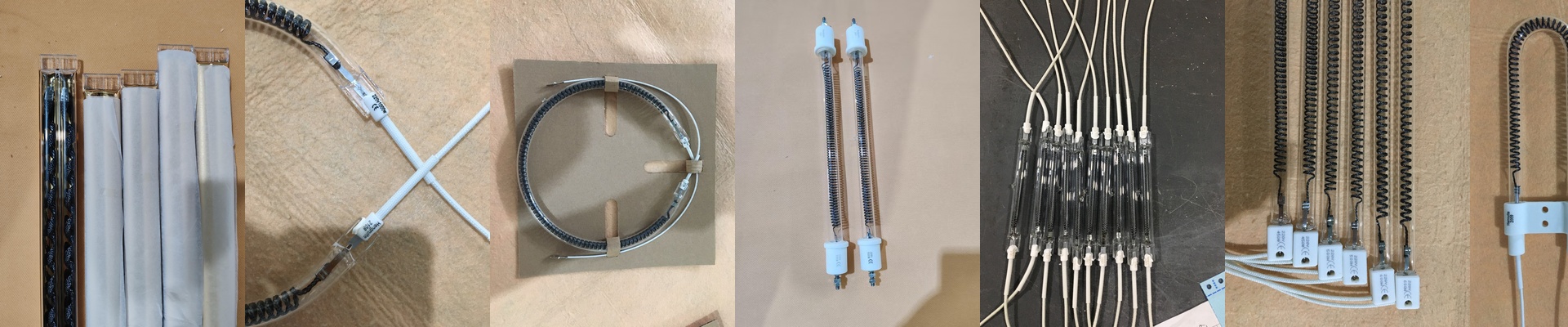
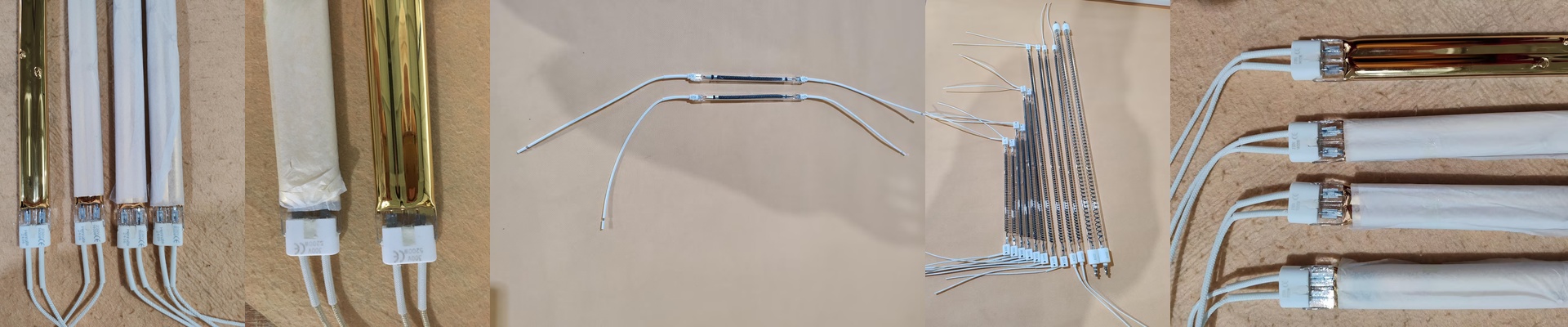
If you’ve ever worked with these, you know the deal. We’re talking about a carbon filament tucked inside a quartz tube, pumping out high-intensity shortwave radiation. The cool part? They don’t need to get nearly as hot as those old metal halide lamps to get the job done. They just push out more infrared energy, which is exactly what you want when you need a massive burst of heat, and you need it now.
The Nitty-Gritty on Power and Voltage
Here’s where things get technical, but it’s pretty straightforward. Your heat flux basically comes down to a balancing act between wattage, voltage, and how long the tube is. When we talk about 230V versus 400V, we’re really talking about how you’ll wire your system. Going with a high-voltage setup lets us cram more wattage into a shorter tube without blowing a circuit. It gives you a much tighter, more focused heat footprint. But a word of caution: if you’re pushing over 2000W into a small tube, you’re playing with fire—literally. Thermal shock is a real risk.**Keep your reflectors spotless.**If they’re dirty, heat builds up on the glass, and that’s how you end up with a broken lamp.
What They’re Made Of
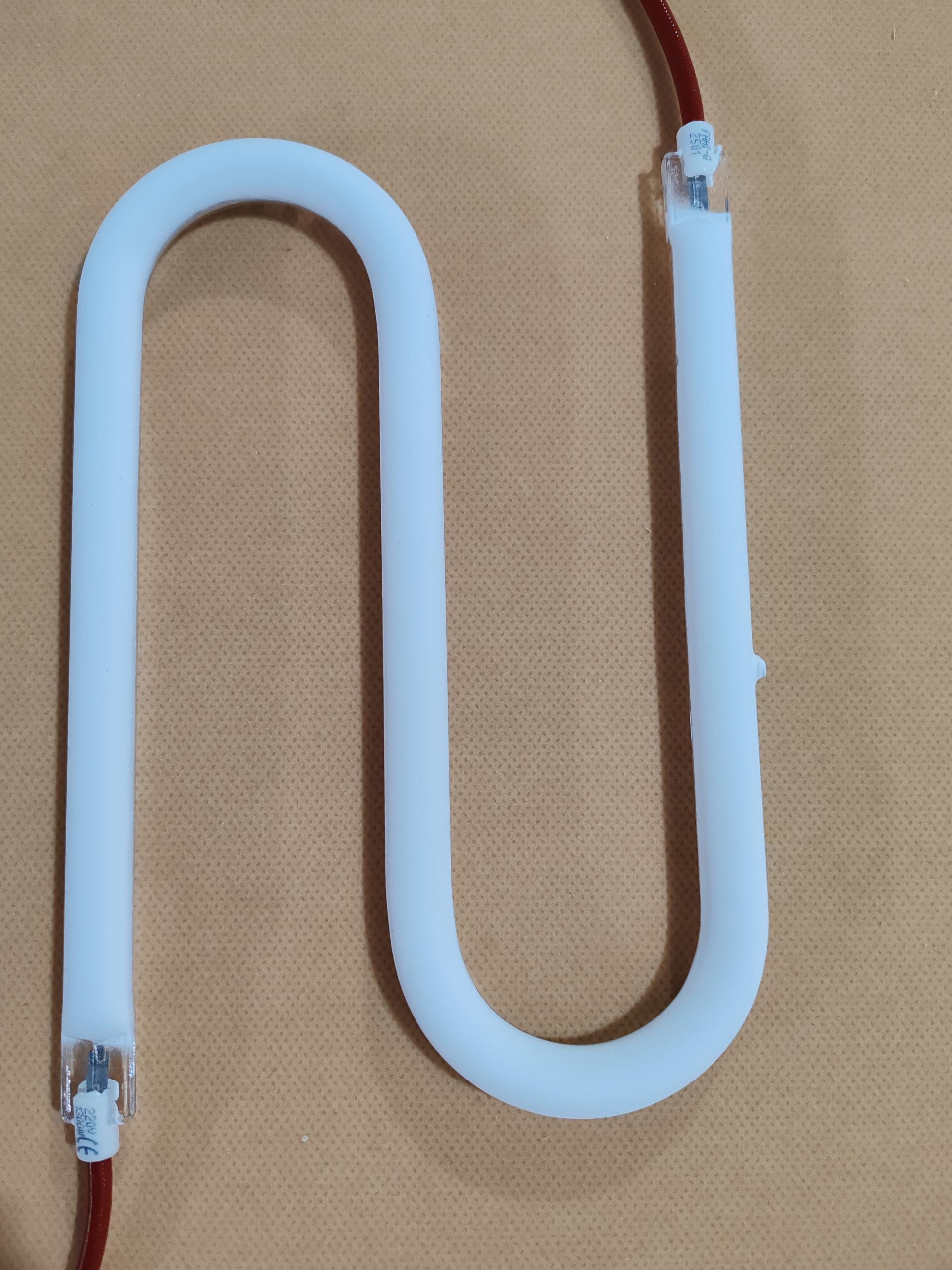
We use high-purity quartz because it doesn’t warp when things get intense. Some of our lamps even have a special coating to tweak the emission spectrum or just keep the filament safe from grime. As for the plugs, we stick with R7s or Sk15 connectors. Why? Because they just work. They’re drop-in replacements for most industrial ovens and they lock in tight. You won’t have to worry about a lamp vibrating loose while your machinery is humming along at full speed.
The Real-World Trade-offs
These lamps are a staple for PET blowing and curing lines. They hit the material almost instantly. No wasted energy heating up the air around the product—just direct, raw heat. But there’s a catch. Carbon filaments are a bit moody when it comes to voltage spikes. If your power supply is jumpy, you’re going to burn through lamps way faster than you should. My advice? Use SCR controllers. They let you ramp the power up slowly, which is much kinder to the tube and will save you a lot of money on replacements in the long run.