Getting Your KTK Elliptical Printer Back Up to Speed
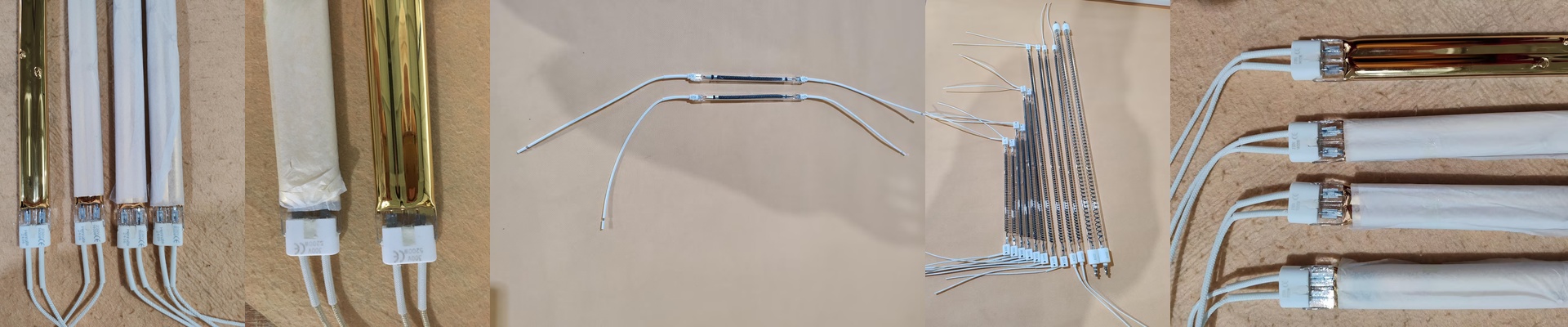
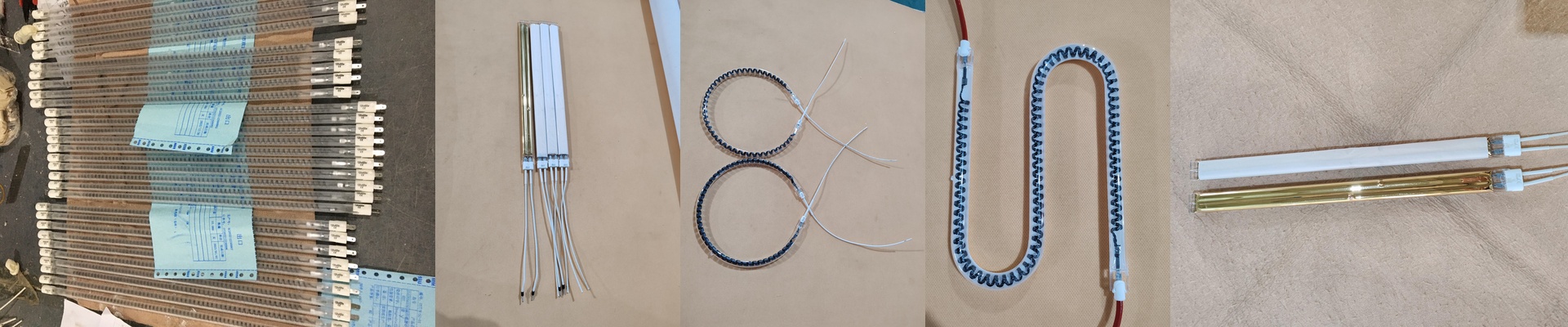
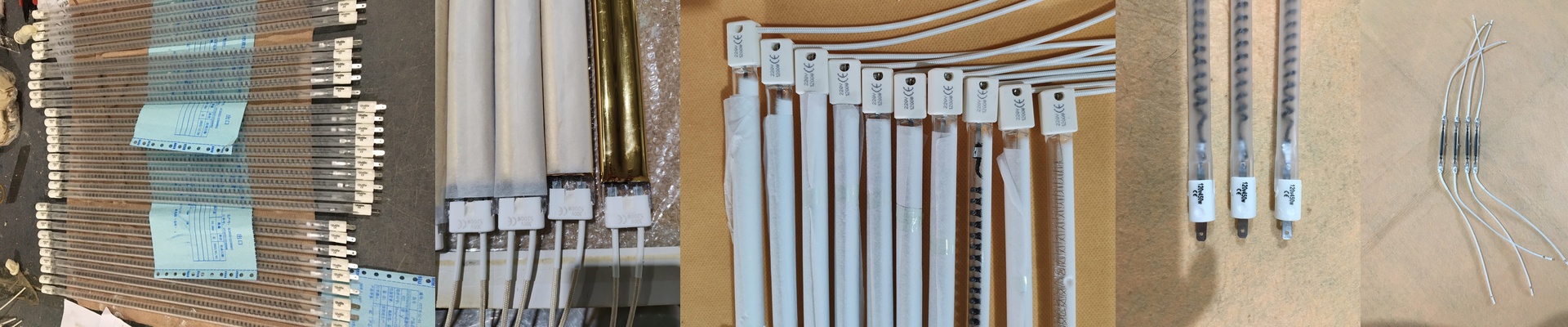
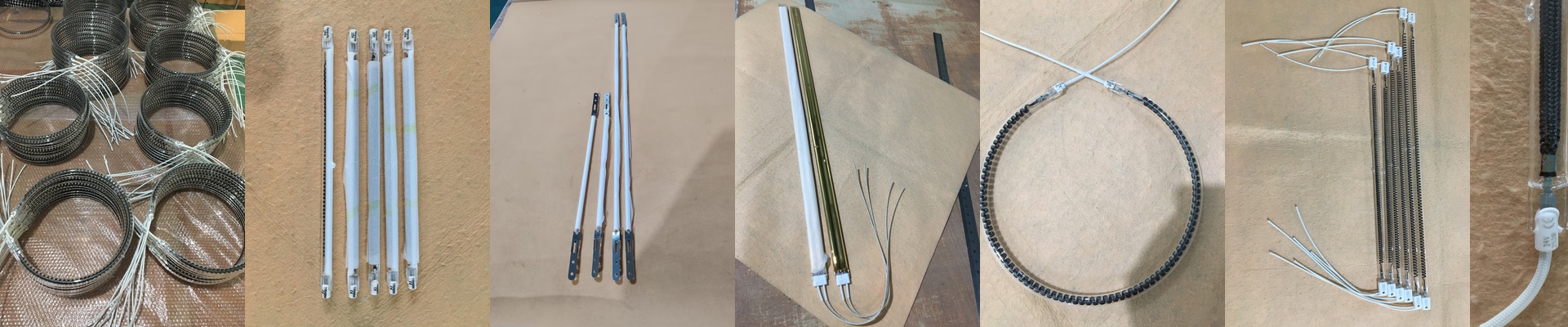
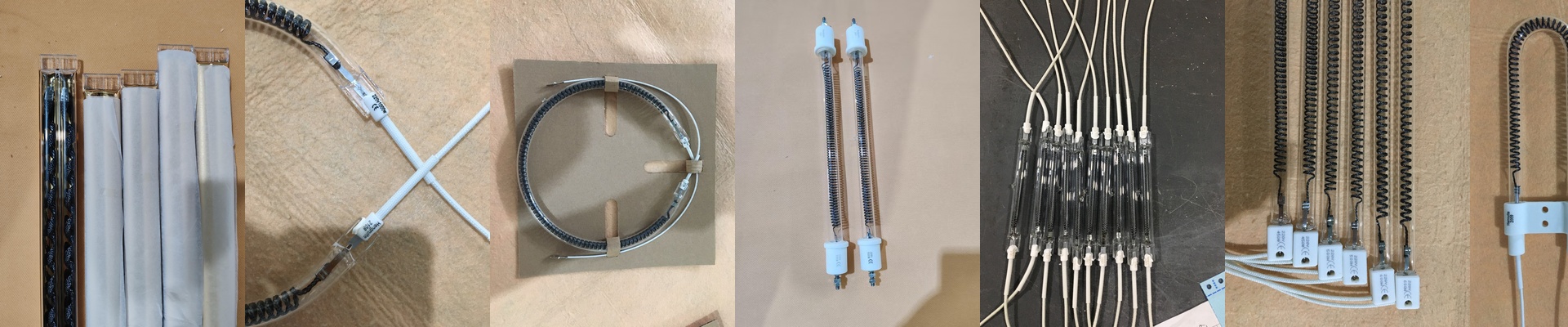
When you’re replacing IR lamps in a KTK machine, just matching the length isn’t enough. Trust me. If the wattage or voltage is even slightly off, you’re looking at a bad day—either you’ll fry your controllers or you’ll end up with tacky ink that just won’t dry. You need something that just works the moment you plug it in. The Power Stuff We build these lamps to be exact clones of the original KTK footprint. Whether your setup runs on 230V or 400V, the resistance in that tungsten filament has to be spot on. If it’s not, you’ll get patchy heat across the cylinder, and that’s a nightmare for quality control. We push for high power density so the ink flashes off the second the substrate moves. Fast and clean. The Tech (Simplified) We use high-purity quartz glass and a halogen cycle. In plain English? It stops the tungsten from gunking up the inside of the tube. This keeps the light clear and makes the lamp last way longer. Plus, the reflectors are angled to shove that short-wave radiation straight onto the ink where it belongs. And the best part? The connectors are standard industrial. The pins line up perfectly with your sockets. No rewiring. No hacking away at the housing. You just pop them in. Real Talk: Keeping Them Alive A 1:1 replacement saves you the installation headache, but you still have to be smart about heat. When you cram high wattage into a small tube, things get hot. Really hot. If your cooling blowers are clogged with dust or just dying, those tubes are going to burn out way too soon. One last tip: keep the quartz clean. A single fingerprint or a smudge of oil can create a “hot spot” that cracks the glass. Grab some isopropyl alcohol and give them a quick wipe before you wire them up. It’s a small step, but it’s the difference between a lamp that lasts and one that fails right in the middle of a big production run.