Getting Your Anatol Printer’s Heat Just Right
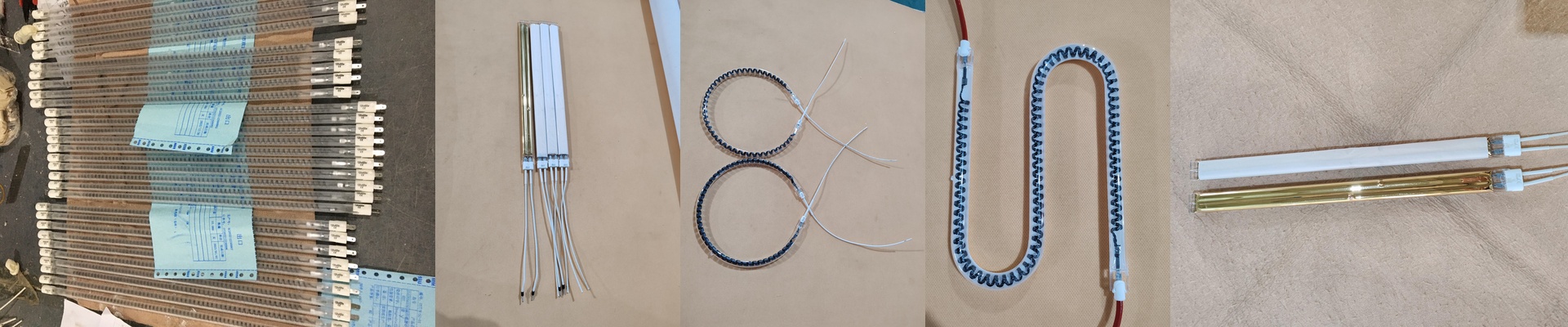
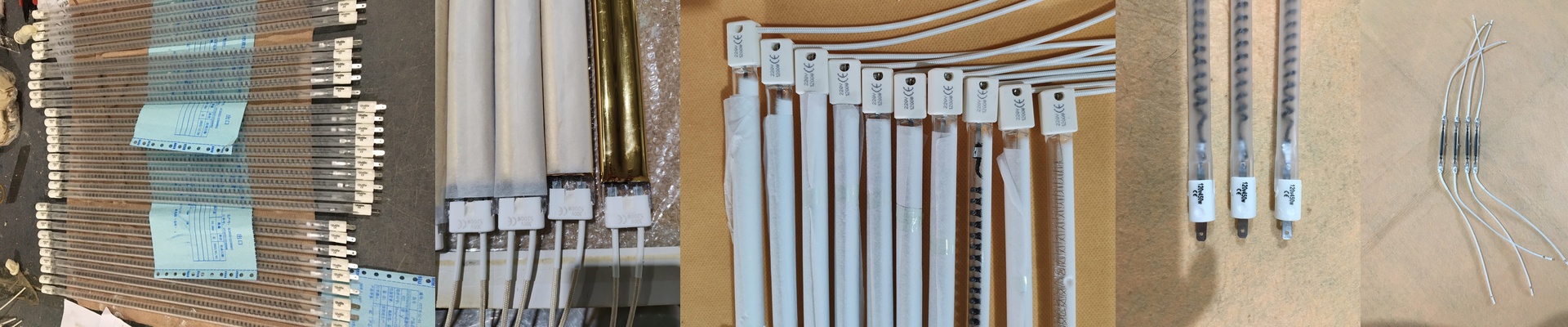
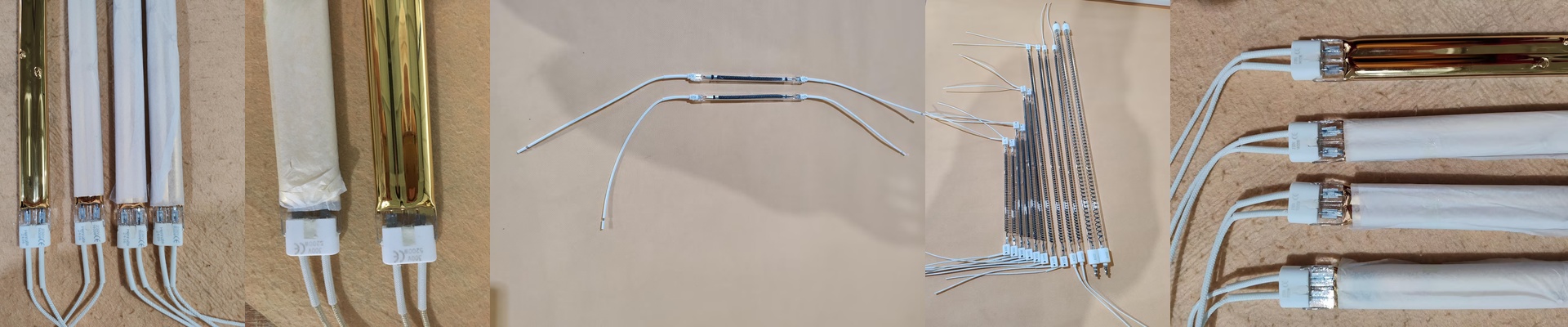
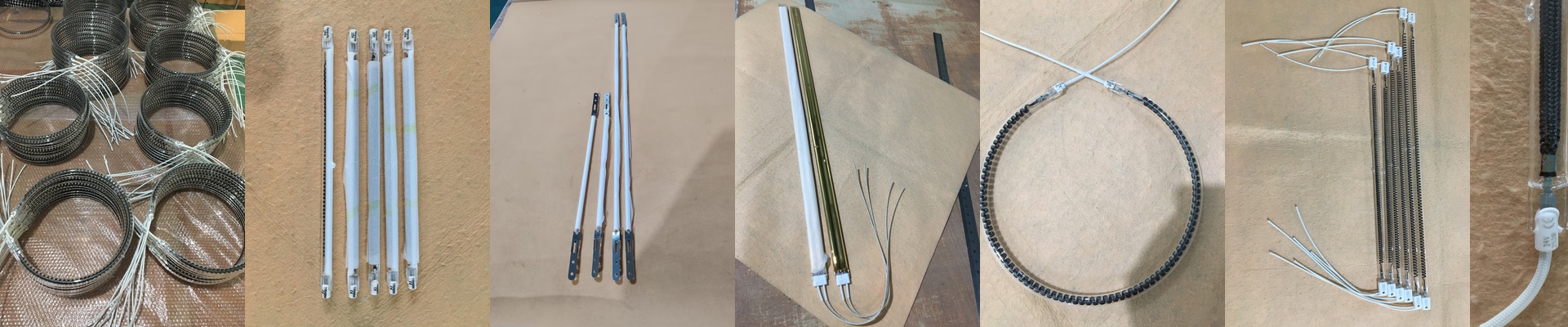
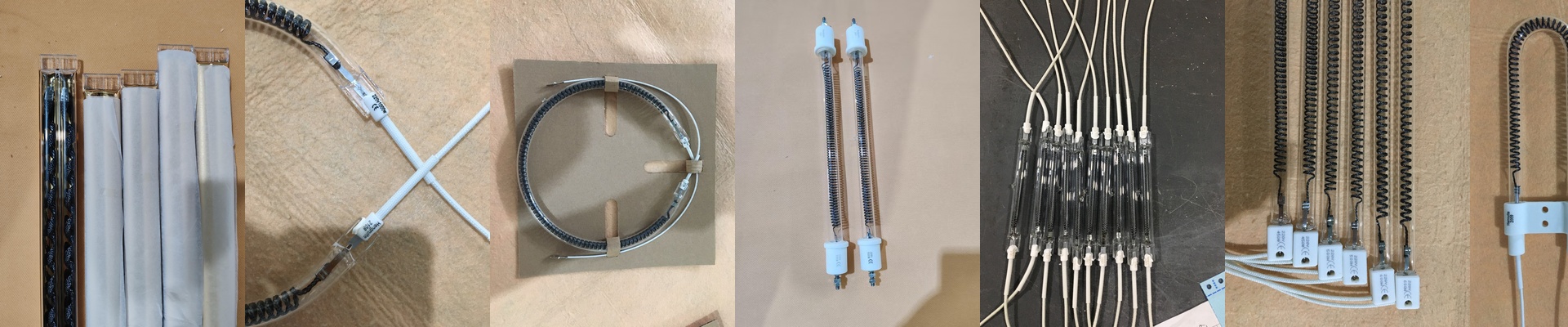
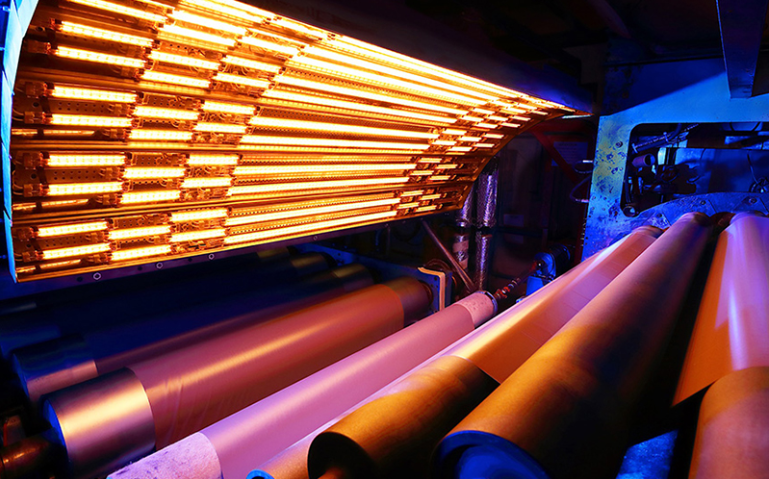
Here is the thing about replacing IR lamps in Anatol printers: you can’t just match a part number and call it a day. If you do, you’re playing a dangerous game. Get the wattage-per-centimeter wrong, and you’ll either end up with ink that won’t dry or, worse, a scorched substrate that ruins the whole job. We handle this by focusing on the spectral output. We use high-grade domestic quartz tubes to make sure the heat feels and acts exactly like the original. It’s all about the power To hit those Akiyama or Anatol specs, we spend a lot of time calibrating the filament density. Voltage is where most people trip up. If your system is built for 230V but you slide in a 220V tube, you’re losing a massive chunk of your thermal energy. It’s a subtle difference on paper, but a huge difference in production. We spec our tubes to match your machine’s power rail perfectly. Why? Because you want that lamp to hit operating temperature the second you flip the switch. No one wants to stand around idling while the heaters slowly catch up. The glass and the glow We use high-purity quartz because it can take a beating from thermal shock without cracking. These lamps use a short-wave IR spectrum, which is basically a fancy way of saying they push heat deep into the ink layers fast. Depending on your setup, we might use a gold or aluminum coating. This pushes the heat forward toward the print head and keeps the rear housing from turning into an oven. Since they fit the existing footprint, you can just drop them in without messing around with the brackets. A few real-world tips Going with domestic replacements saves you a lot of money, but you have to be careful. These tubes are fragile. If a technician tries to force a fit, the quartz will snap the moment it starts to expand from the heat. Just be gentle. And do yourself a favor: check your reflectors for carbon buildup before you wire everything up. A dirty reflector kills your efficiency. It doesn’t matter how powerful the lamp is if the heat isn’t bouncing where it needs to go. Lastly, make sure your cooling fans are actually clear. High-wattage arrays put out a lot of ambient heat, and if that air isn’t moving, you’re asking for trouble.