
Stop Fighting Your Tunnel Oven’s Temperature
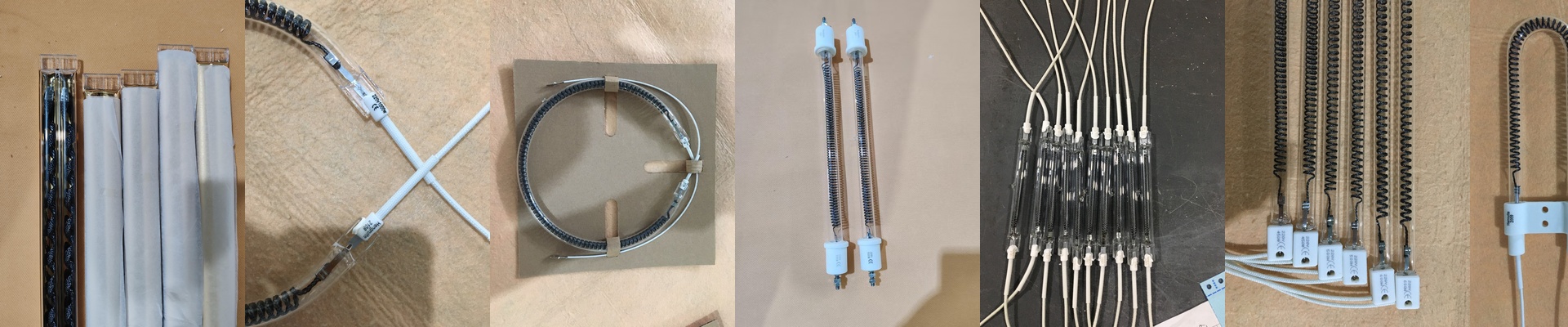
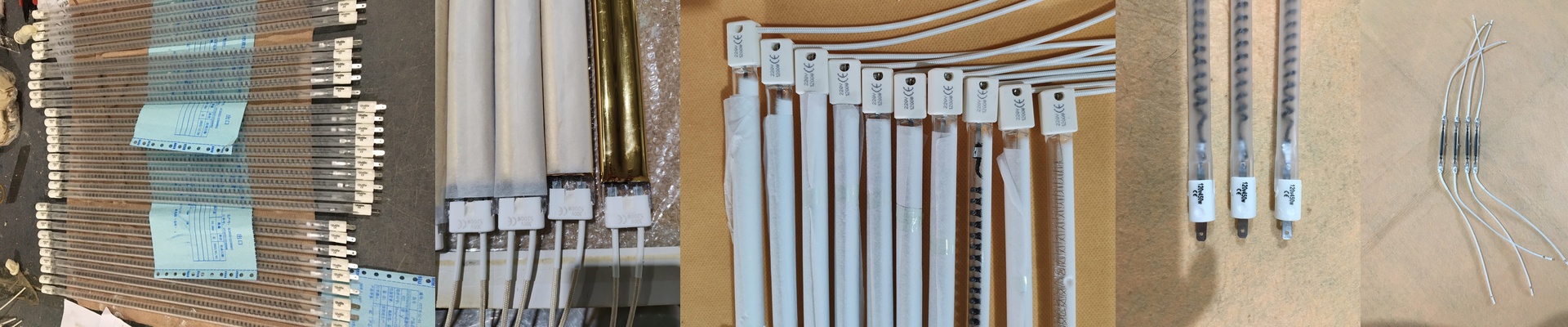
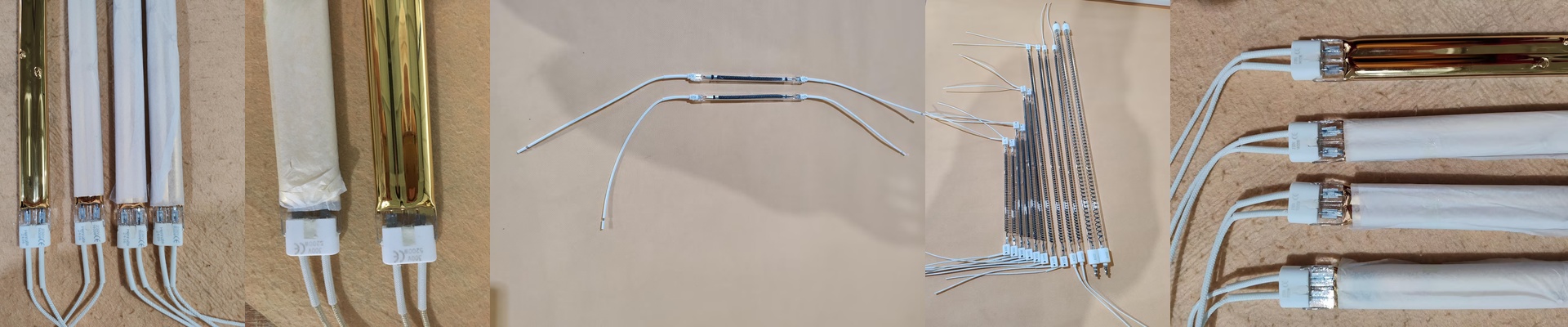
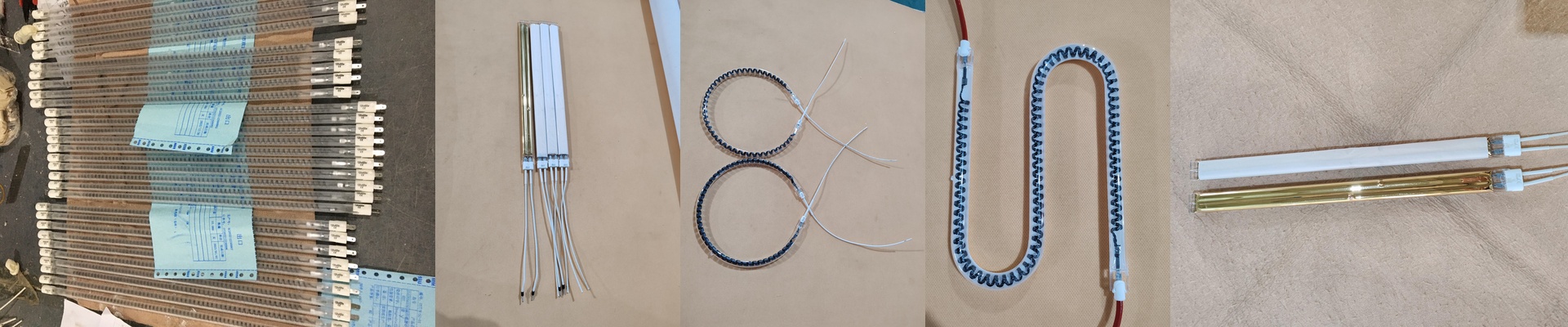
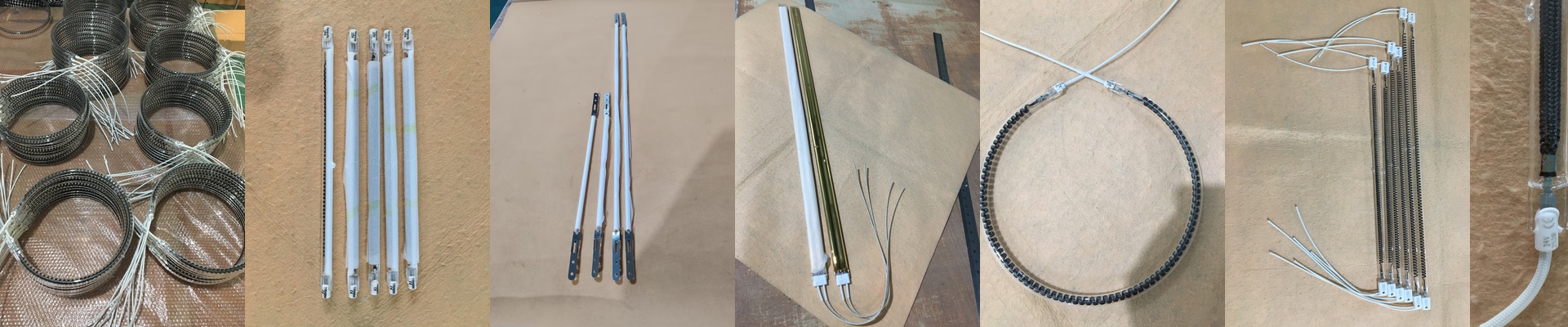
If you’ve ever managed a long curing or baking line, you know the struggle. You’re staring at the end of the conveyor and realizing the product is either under-done at the start or totally scorched by the time it hits the exit. It’s a massive headache. When we’re setting up systems for Adelco lines, that distance is the enemy. Cold spots just love to hide in long tunnels. To kill them off, we use high-density infrared (IR) arrays. The secret is keeping the wavelength consistent from the first inch to the last. The nitty-gritty on the heat You need a steady flow of heat. If it wavers, your product suffers. We use quartz-glass IR lamps to handle this. These aren’t your run-of-the-mill heaters. We’ve tweaked the filament density so the heat actually sinks deep into the material. It doesn’t just sear the surface and leave the inside raw; it gets all the way through. Getting it installed We designed these lamps to slide right into Adelco systems without a fight. Two things matter here: the electrical connection and the quality of the quartz. We use high-grade stuff because cheap quartz bows when it gets hot. Once a tube bends, your focal point shifts, and suddenly you’re back to square one with uneven heating. One quick warning:check your voltage. If you’re running a heavy-duty array, your power supply needs to be able to handle that first big surge of current. If it can’t, you’ll burn through your filaments way faster than you should. The reality check Here’s the thing. High-density IR arrays put out a ton of heat, and they do it fast. That puts a lot of pressure on your cooling fans. If your airflow isn’t strong enough to pull that ambient heat away from the sockets, your connectors will start to fry. Keep your vents clear. Keep the air moving. If you do that, you’ll get the kind of rock-solid stability that makes long production runs actually stress-free.