Getting PET Preforms Right with Carbon Fiber Lamps
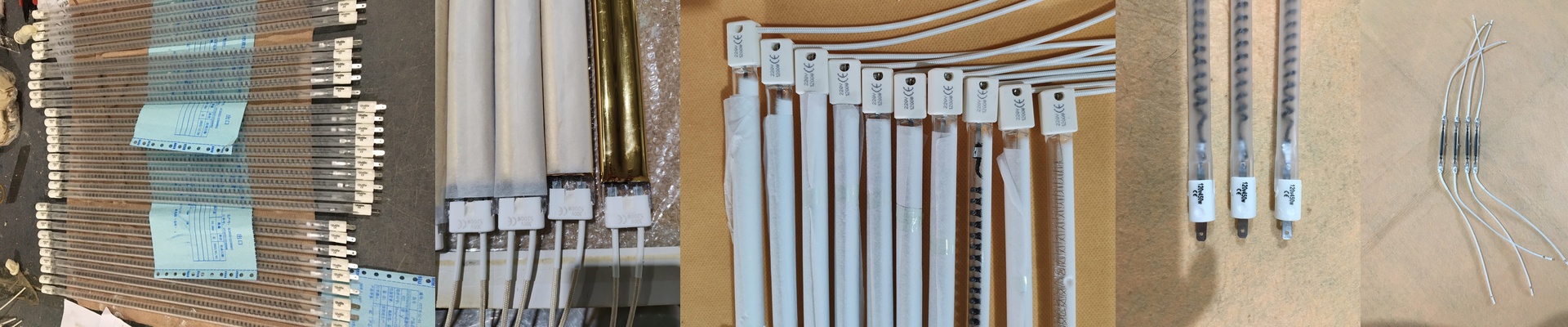
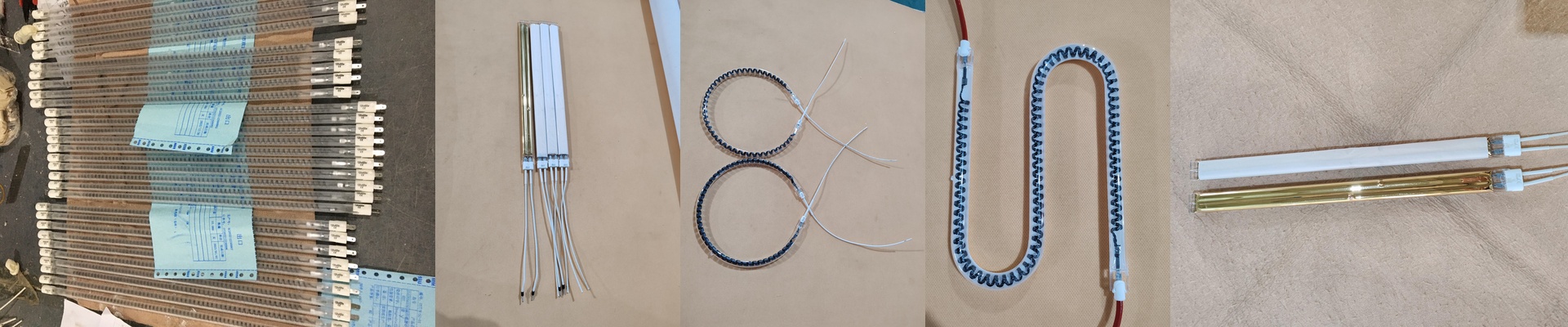
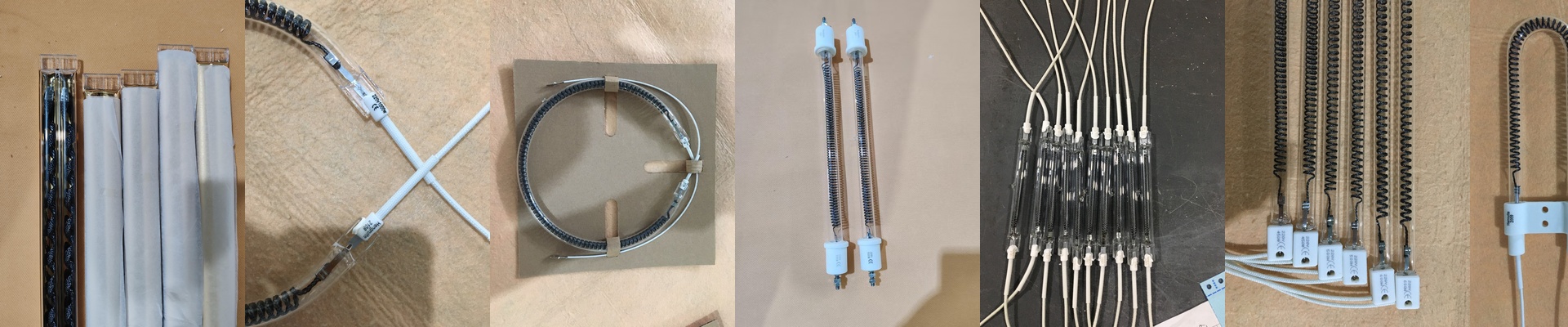
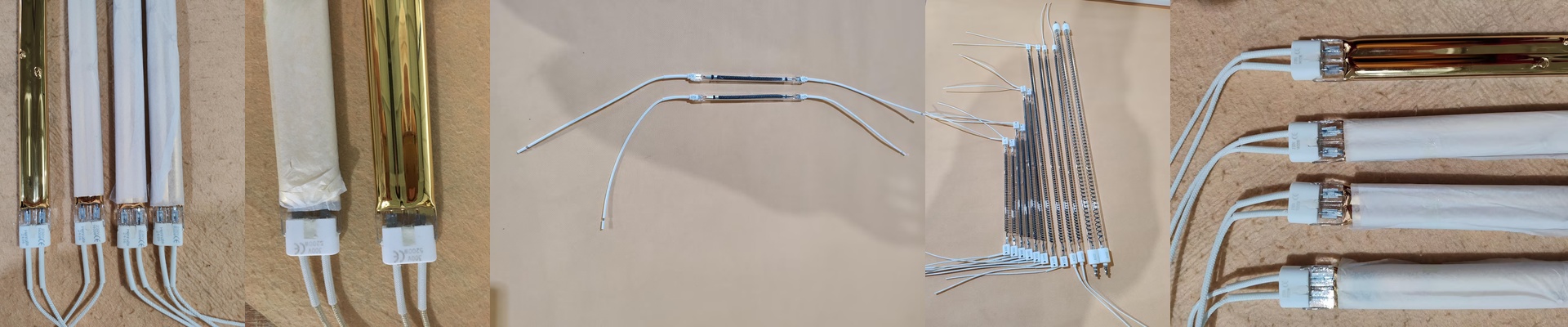
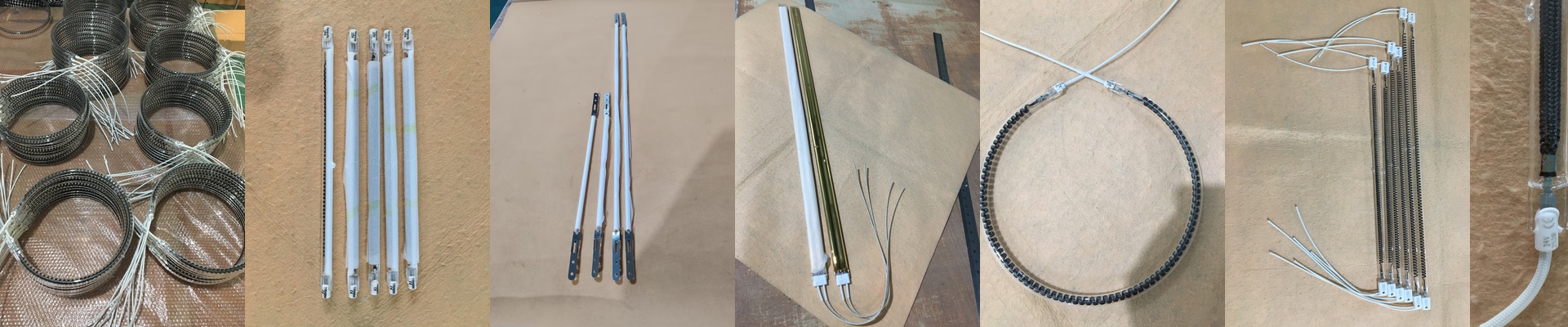
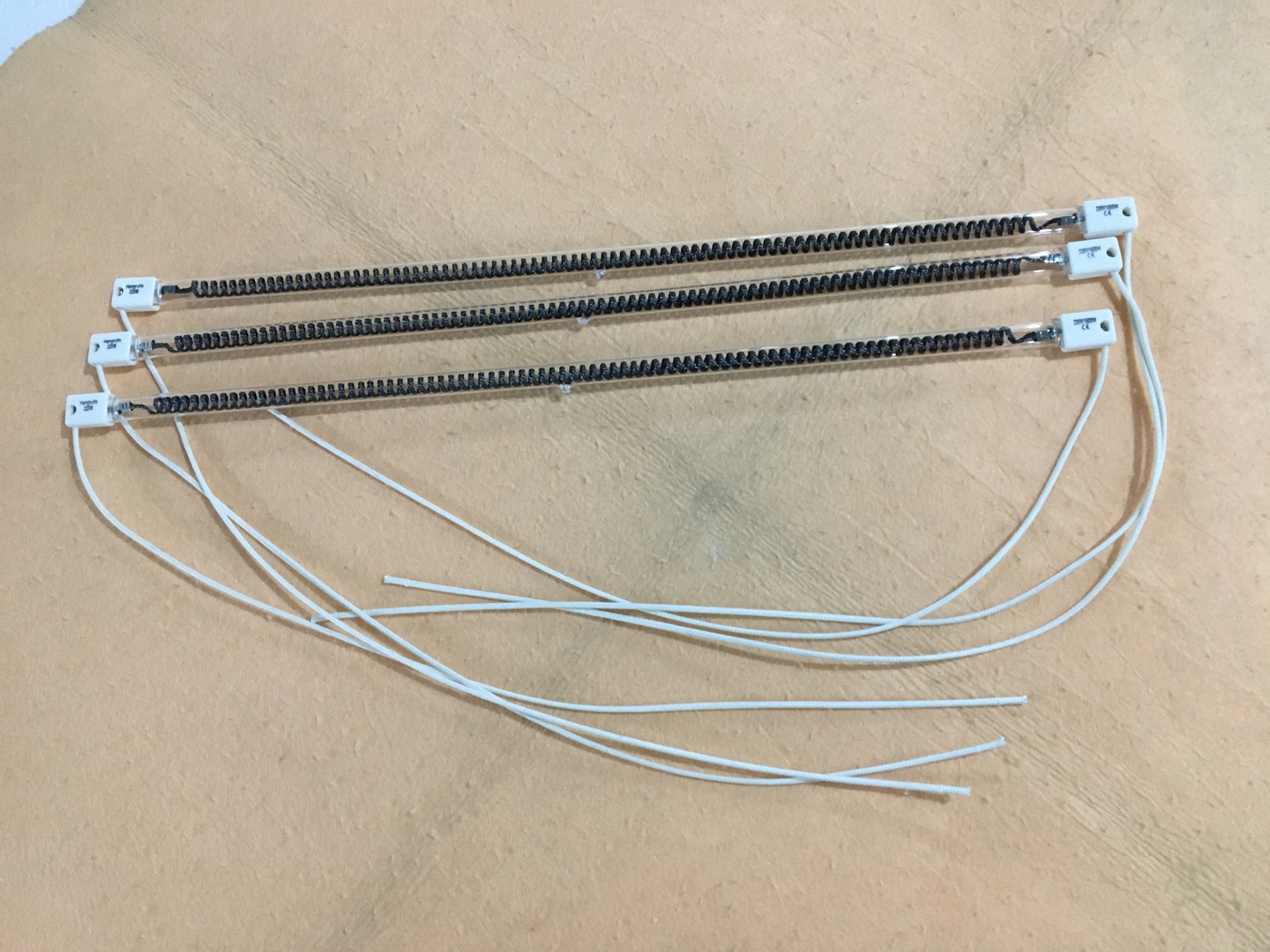
If you’ve ever dealt with PET bottle blowing, you know the struggle. You need the plastic soft enough to stretch, but if you push it too far, you’re just scorching the material. It’s a tight window. That’s why we use carbon fiber heating elements. We’ve got them in 500W, 1000W, 1200W, and 1500W. They pump out shortwave infrared energy that hits the plastic exactly where it needs to. Picking your wattage Choosing between a 500W and a 1500W lamp usually comes down to two things: how fast your line is moving and how thick your preform walls are. Higher wattage means more heat, faster. This is great because you can either shrink the size of your oven or crank up your cycles per minute. But here is the catch: if you go with the 1500W setup, your reflectors have to be spotless. I’m talking mirror-finish. If those reflectors are dull, you’re just wasting energy and baking your oven chassis. Why carbon fiber? Most people are used to standard quartz halogen lamps, but carbon fiber is a different beast. The heat is consistent. It spreads evenly across the whole tube, which means no more “cold spots” in your preforms. We’ve all seen what happens when that happens—you get thin walls or bottles that just look… off. To keep things durable, we wrap the carbon element in high-purity quartz. It handles the constant heating and cooling without cracking. Setting them up The good news is these are basically drop-in replacements. They fit right into your existing machines. Just a heads-up on the wiring: carbon fiber filaments don’t behave the same as metal ones when it comes to resistance. You’ll want to tweak your PID controllers. If you don’t, you might overshoot your target temperature and end up with a mess. One last thing. These lamps run hot. Really hot. Every couple of months, take a look at your connectors for any oxidation. A loose connection at 1500W will melt a socket before you even realize there’s a problem.