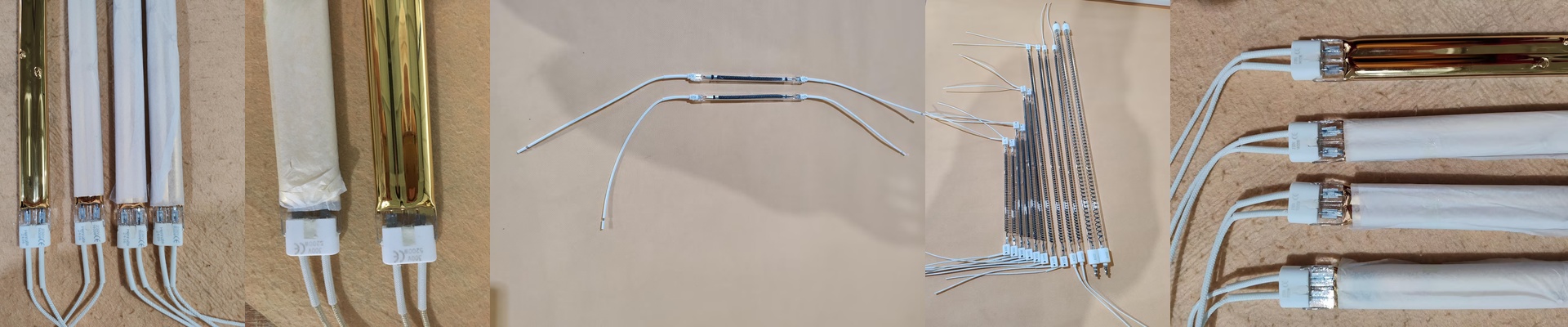

Getting the Heat Right in Adelco Tunnel Ovens
If you’ve ever run an Adelco curing line, you know the struggle. Keeping the heat steady across a long tunnel is a nightmare of physics. One little dip in temperature and suddenly you’ve got soft spots or an uneven finish on your parts. It’s frustrating. That’s why we build our infrared lamps as simple, drop-in replacements. We want to stop those cold spots before they ruin your day.
Closing the Gap
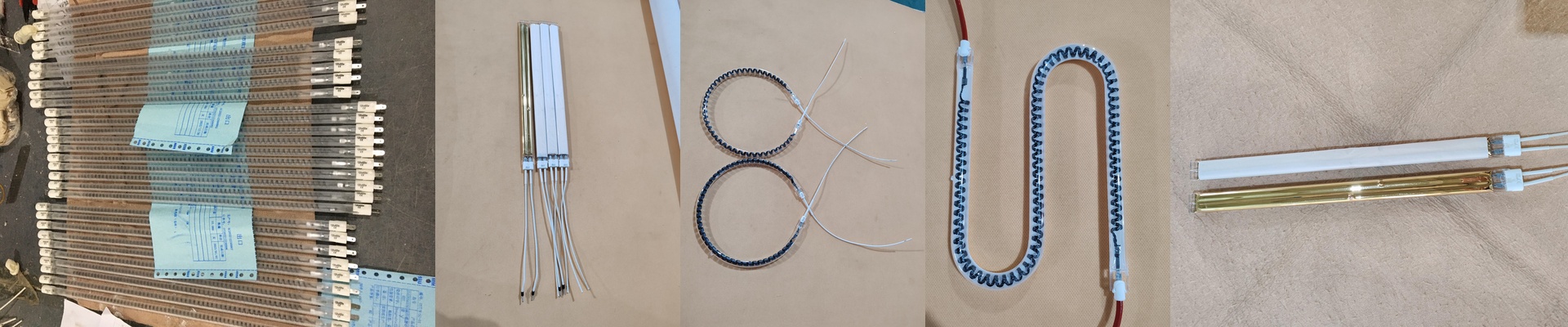
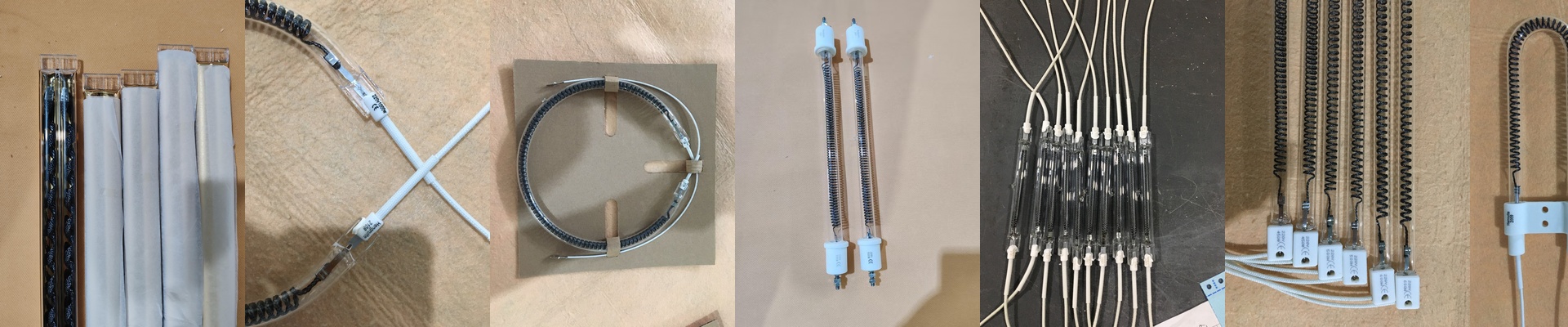
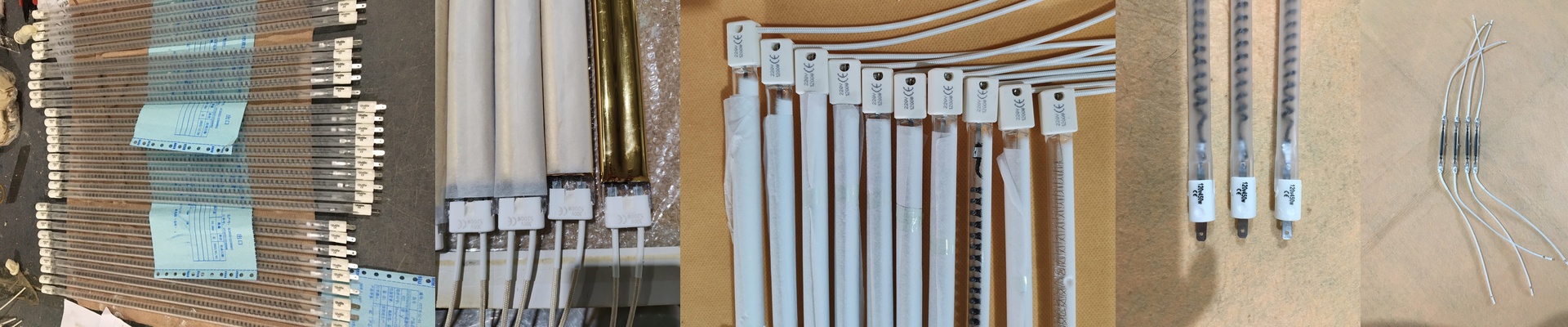
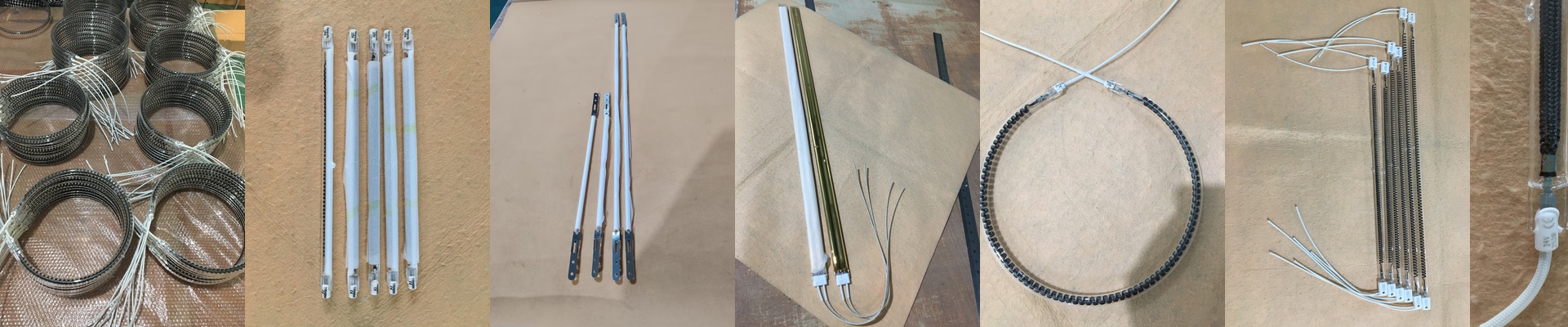
Here is the thing: the distance between your lamp and the part is where you lose your energy. To fight that gap and actually hit the surface temperature you need, we use high-wattage shortwave emitters. These don’t just warm the air; they push concentrated energy straight into the coating. But you have to get the specs right. If you go too low on the wattage, you’ll find those annoying cold zones right in the middle of the tunnel. Go too high? You’ll start burning the edges. We spend a lot of time balancing the filament length and the quartz thickness so the heat stays flat and consistent across the whole tube.
Gear That Actually Lasts
Production doesn’t stop, so your lamps shouldn’t either. We use heavy-wall quartz glass because thin tubes tend to bow when things get hot. These are built to take a beating in 24/7 environments. We also tightened up the tolerances on the connectors. Why? Because arcing at the terminals is usually what kills a lamp. We fixed that. Plus, since this is shortwave IR, it hits the part directly. You aren’t wasting time waiting for the air inside the oven to heat up.
A Few Things to Watch Out For
These lamps put out a massive amount of heat. Because of that, you’ve got to make sure your reflectors are polished and lined up. A dirty reflector is just wasted money and puts a lot of unnecessary stress on the lamp. And a quick tip: check your cooling fans. High-output lamps make the oven housing run hot. If your airflow isn’t up to the task, you’ll end up frying your electrical components. It’s a small check that saves a huge headache later.