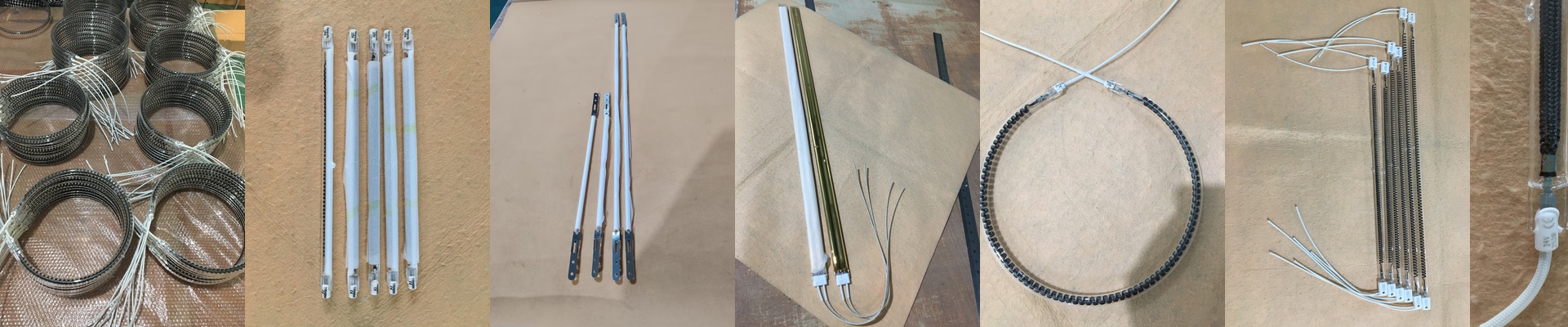
Let’s Talk Carbon Infrared Heating Lamps
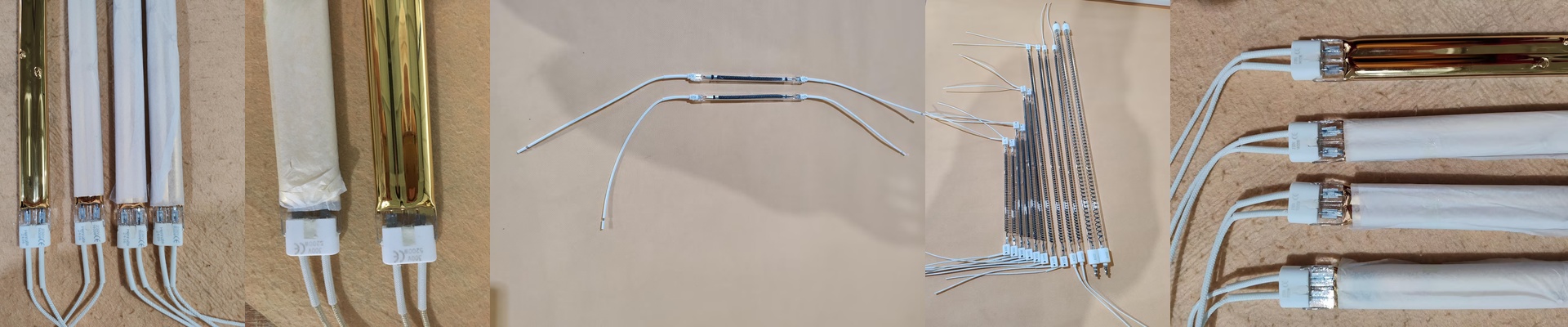
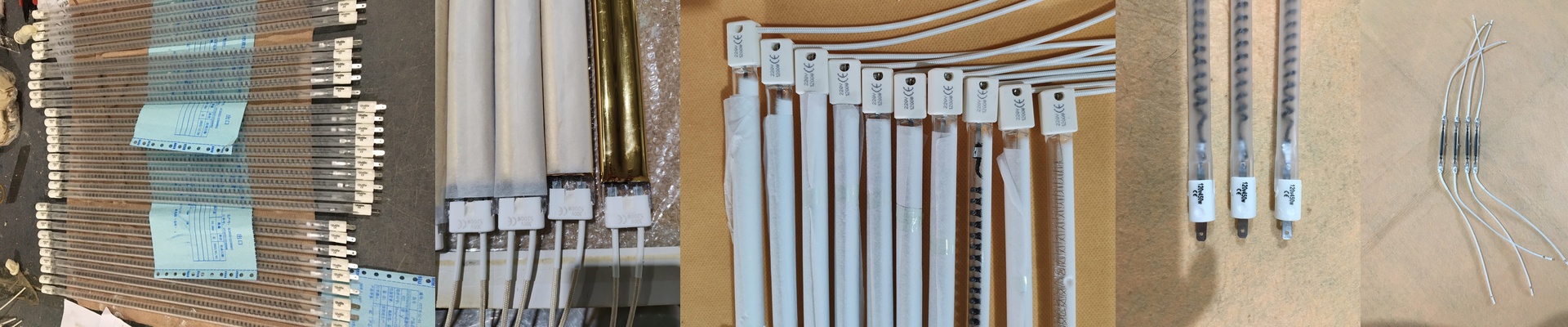
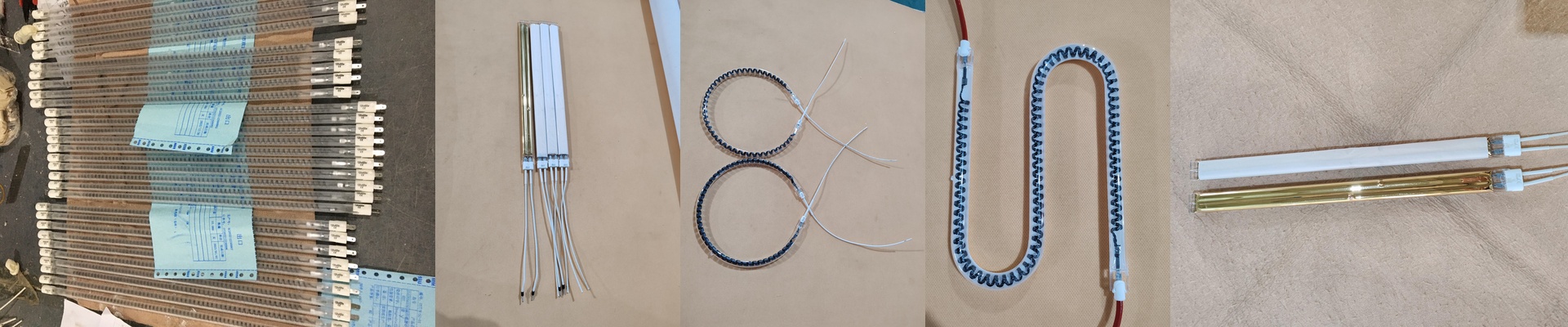
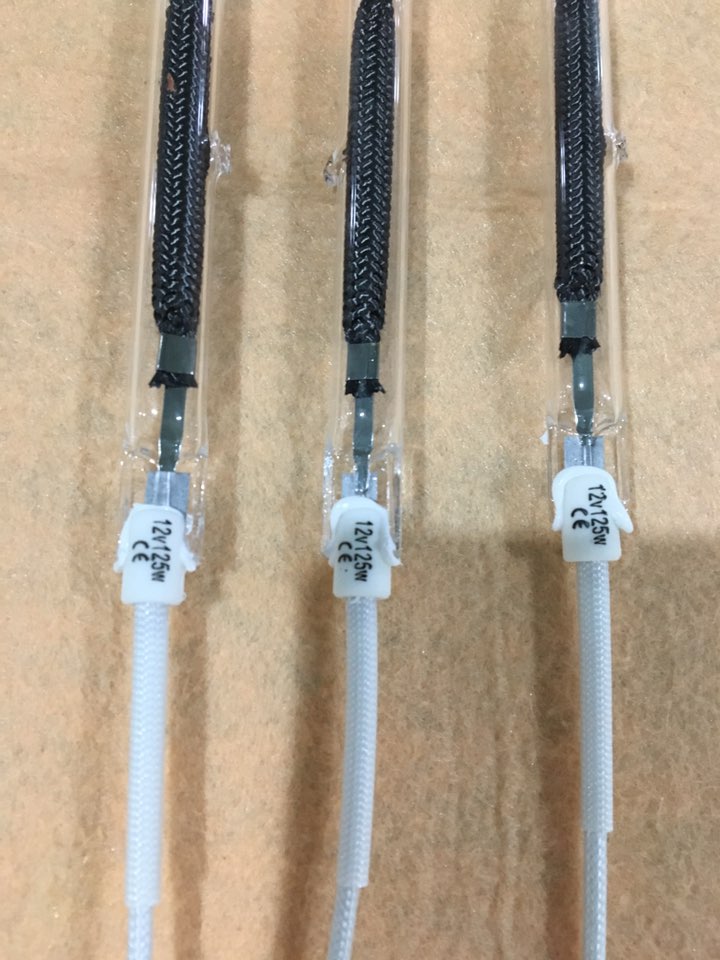
Imagine a carbon fiber filament tucked inside a quartz tube. That’s the heart of these lamps. Instead of using those old-school metal coils, these use a carbon-based emitter to shift how heat is delivered. The result? You hit your target temperatures way faster. It’s efficient. No wasted energy, just heat where you actually need it.
Getting the Power Right
When you’re picking out these lamps, it all comes down to voltage and wattage. If you cram a lot of wattage into a short tube, you get an incredible amount of heat density. It ramps up almost instantly. But there’s a catch. That much heat puts a lot of stress on the quartz glass. If your power supply is jumpy, those filaments can burn out way sooner than they should. You’ve got to keep your voltage stable if you don’t want to be replacing lamps every other week.
The Build: Quartz and Connections
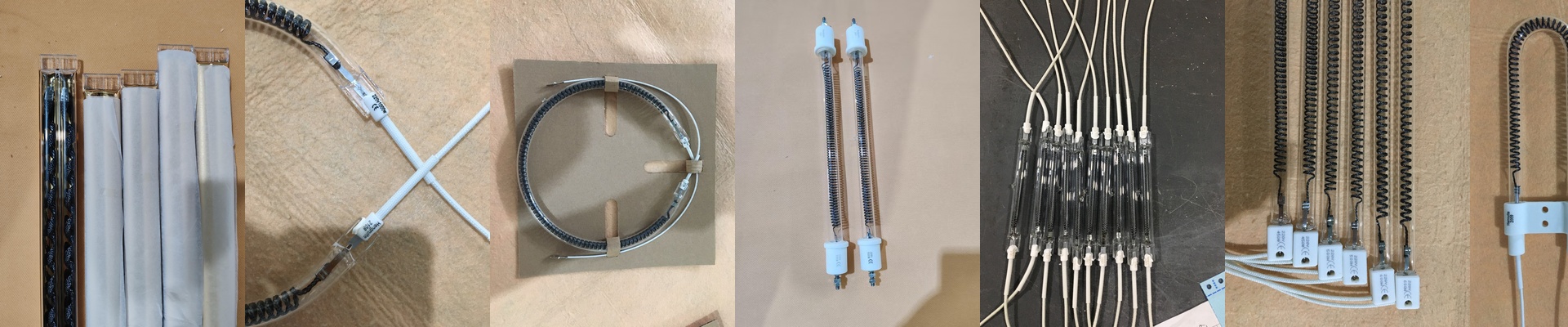
We use high-purity quartz for a reason: it lets the infrared waves slide right through without the glass soaking up the heat. Depending on what you’re doing, you might see some specialized coatings. Shortwave is great for curing surfaces, while medium-wave digs deeper into the material. Then there are the connectors—usually R7s or SK15. Make sure they’re snug. If the lamp rattles in the housing, you’re asking for trouble. A loose connection creates a “hot spot” at the terminal. That’s how you end up with a melted socket or a cracked tube.Wire it up tight.
Putting Them to Work
You’ll see these all over the place—PET blowing, drying paint, welding plastics. If you’re moving away from old halogen systems, these usually slide right in, but they convert energy much better. Just a heads-up: these things get scorching hot. If you’re squeezing high-density lamps into a tight space, don’t skimp on the cooling fans. You need real airflow around those terminals. If the heat just sits there, you’re killing the lifespan of your lamp. Keep it cool, and it’ll last.