Getting Your M&R Flash System Back Up to Speed
If you’ve ever dealt with M&R flash curing, you know the struggle. You need enough heat to set the ink fast, but not so much that you end up scorching your shirts. It’s a delicate balance. When you stop buying the OEM lamps, the biggest worry is usually: Will this actually work, or am I going to fry my machine?
The Tech Stuff (Made Simple)
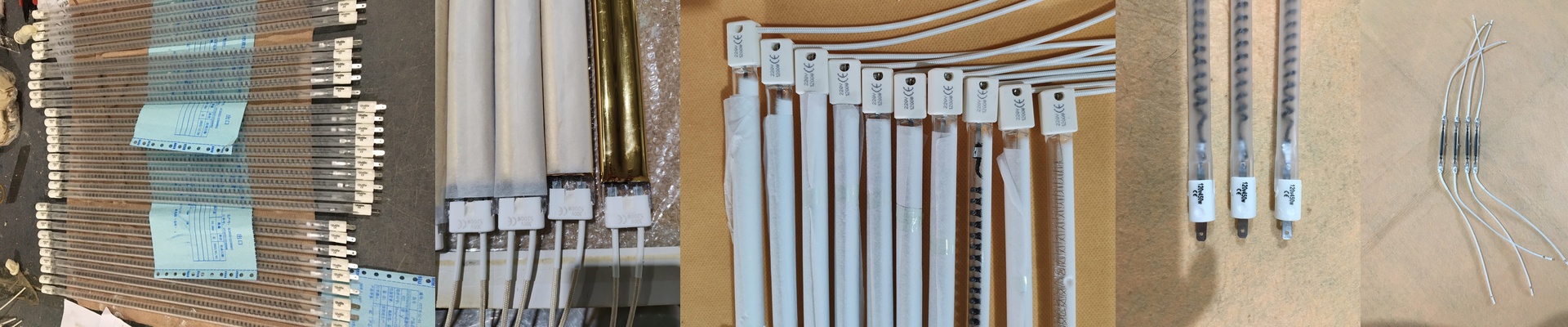
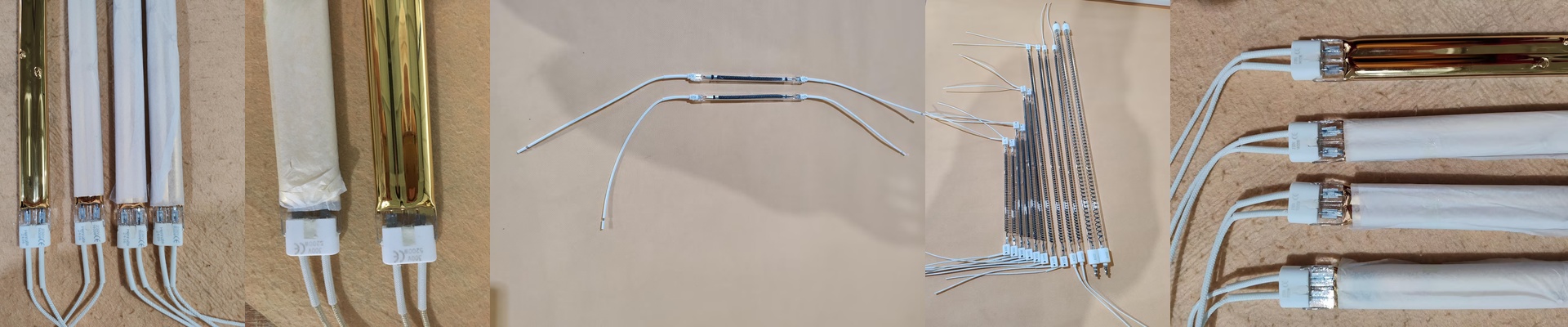
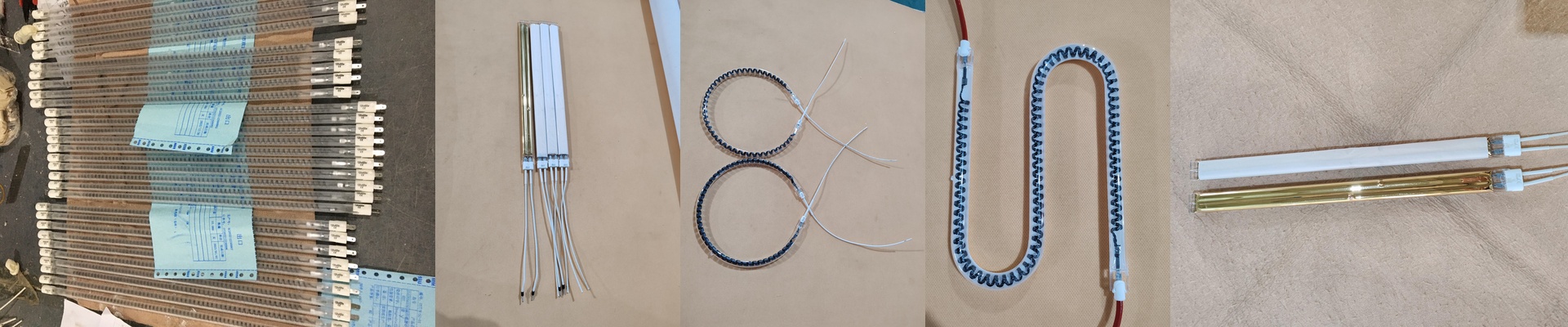
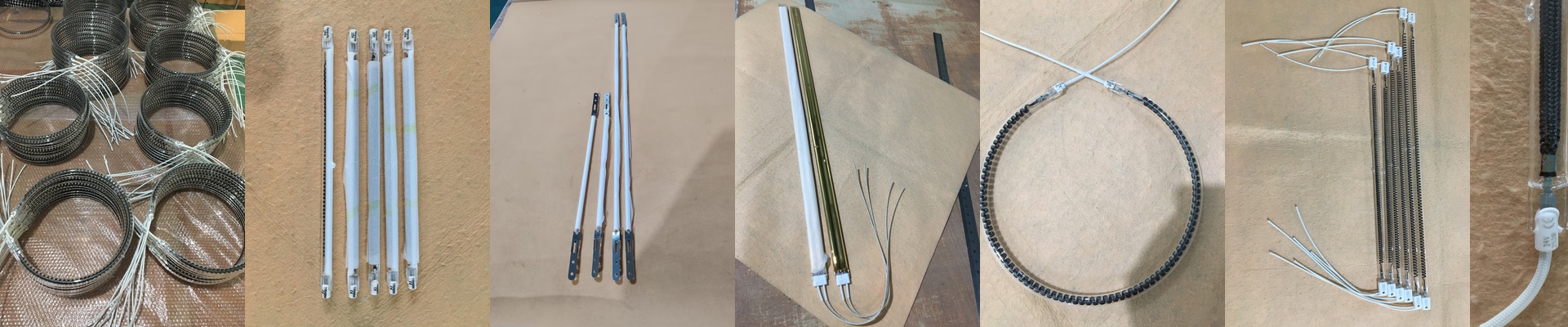
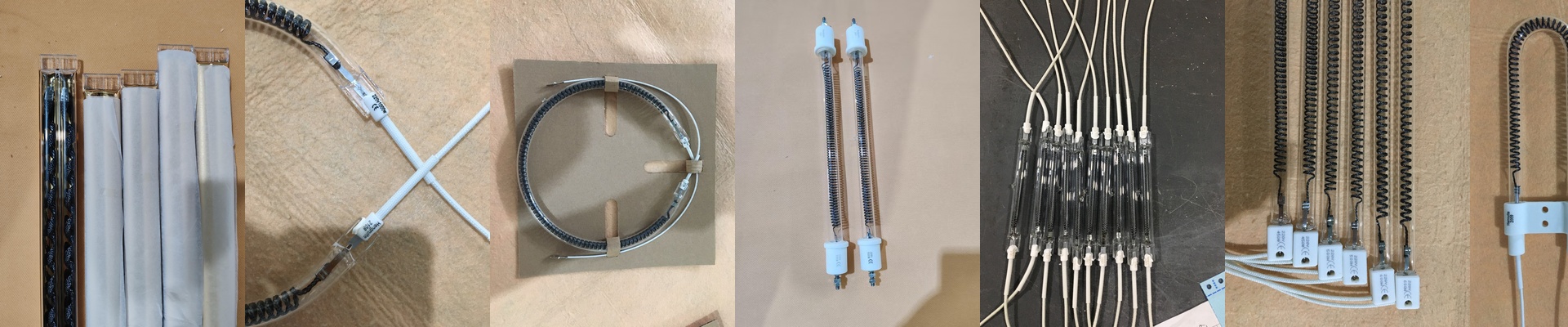
Here’s the thing about electricity. If the voltage or wattage is off, you’re asking for trouble. Either the lamp burns out way too early, or your ink stays wet. We built these tubes to pull the exact same current from your transformers as the originals. We use shortwave IR lamps to concentrate the energy, which is why your ink flashes in seconds. But we did one thing differently: we tweaked the filament geometry. It spreads the heat more evenly across the glass, so you don’t get those annoying hot spots.
Built to Last
We don’t cut corners on the materials. We use heavy-wall quartz glass because these things go through a lot of thermal shock every time they cycle on and off. And we’re obsessive about the connectors. A loose fit is a nightmare—it causes arcing, which leads to heat buildup that can literally melt your wiring. We also use a halogen cycle to stop the filament from evaporating too fast. Basically, it just lasts longer.
Real-World Advice
At the end of the day, these are just professional-grade replacements designed to save you some money on maintenance. They fit the same spot and wire up exactly like the parts you’re used to. But a quick heads-up: if you’re running these at full blast, your conveyor’s cooling fans are going to work harder. If your vents are clogged with lint and dust, the tunnel is going to get way too hot, no matter how good the lamp is. Do yourself a favor and check your airflow before you swap the tubes. It’ll save you a headache later.