
Why you’re probably overpaying for your IR lamps
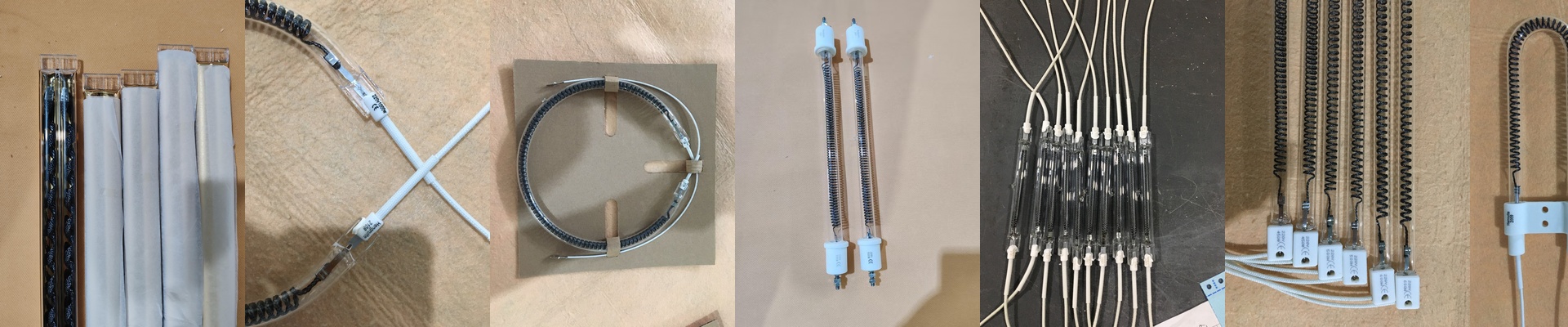
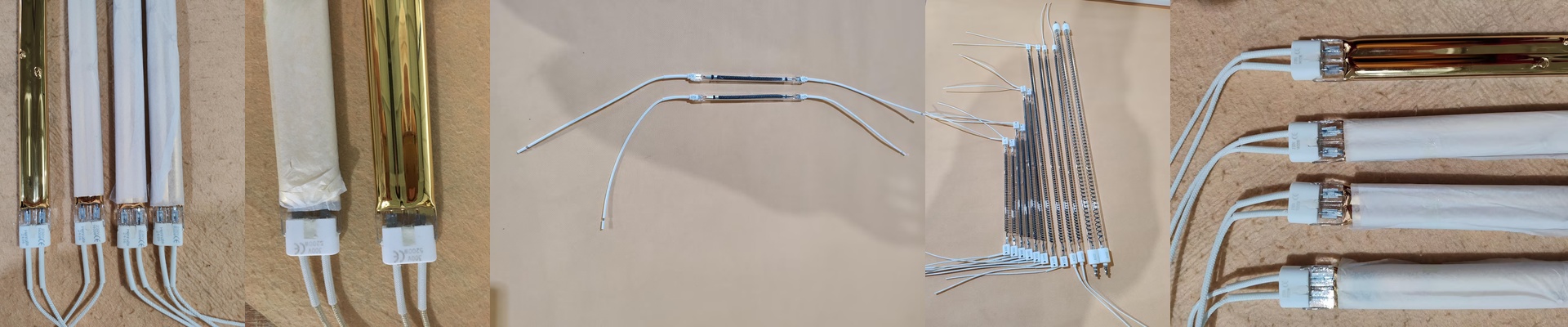
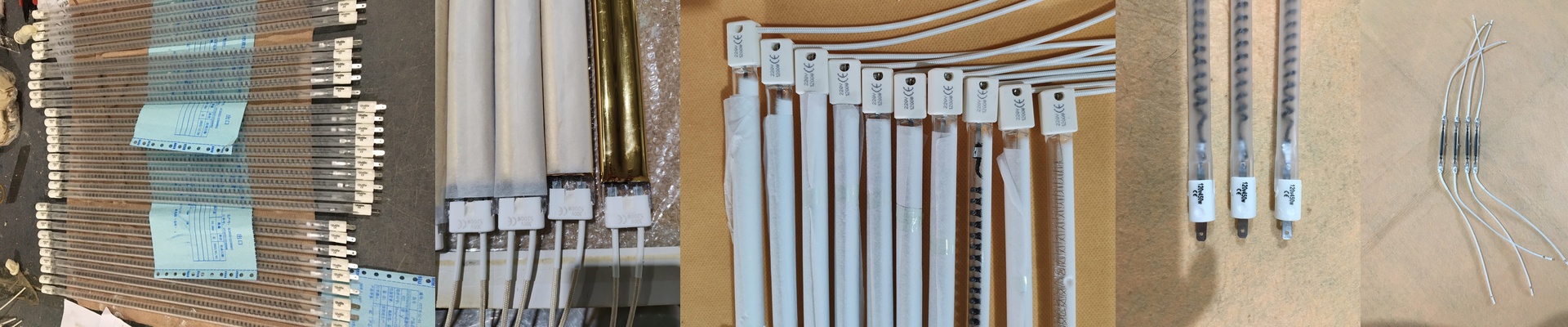
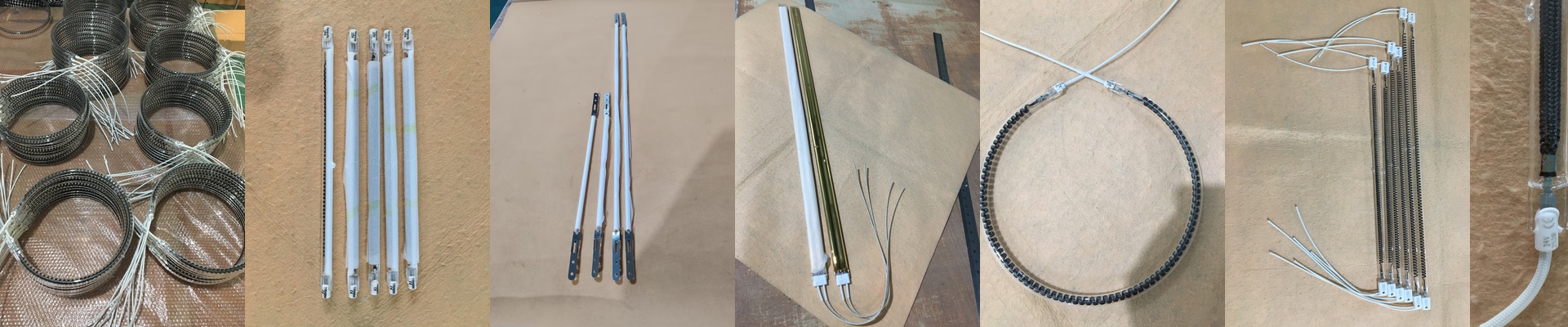
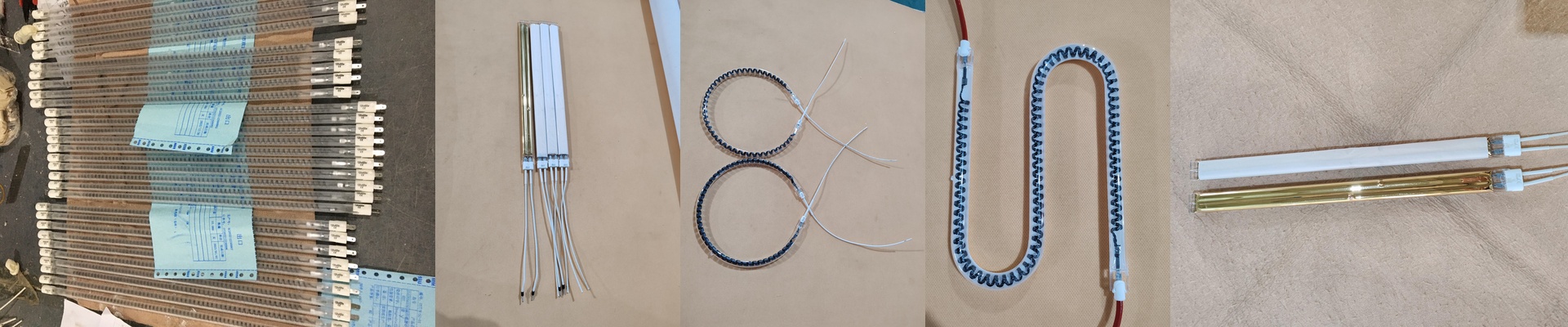
Let’s be honest. A lot of print shop owners drop a small fortune on “original” IR lamps because they’re terrified that a third-party replacement will just blow out or ruin a job. I get it. When you’ve got a deadline looming, the last thing you want is a failure on the line. But here’s the thing: these lamps run on physics, not brand loyalty. If the wattage, voltage, and spectral output match, your production line can’t tell the difference between a fancy logo on the box and a precision-engineered lamp. It just sees light and heat. The “Secret” of the Spec Sheet It all comes down to power density. We build our tubes to hit those exact voltage and wattage marks so your ink cures perfectly without scorching the paper or plastic. Whether you’re running 230V or 400V isn’t about prestige. It’s just about making sure the lamp plays nice with your existing transformer. If the wattage per centimeter is off, you’re going to have a bad day—either the ink stays tacky, or you literally burn through your material. What’s actually inside? We use high-purity quartz glass because it can handle the thermal shock without cracking. The connectors—usually R7s or SK15—are industry standards. They fit. They work. And the guts? Same tungsten filaments and halogen gas fills as the big name brands. That’s how we keep the infrared emission curve exactly where it needs to be. Most of the time, shortwave IR is the way to go because it punches through the ink layer fast. But if your specific ink chemistry is a bit finicky, we can coat the quartz to shift the wavelength. Just let us know. The real bottleneck High-wattage lamps are great for speed, but they put a lot of stress on your reflectors. If your reflectors are pitted, oxidized, or just plain dirty, even the most expensive lamp in the world is going to underperform. You aren’t paying for some “magic” formula when you buy the brand name; you’re just paying for the logo. We give you the same technical output. My only advice? Keep your wiring tight and your cooling fans clean. You don’t want your sockets melting just because the airflow is blocked.