The Truth About Carbon Fiber Medium Wave Heat
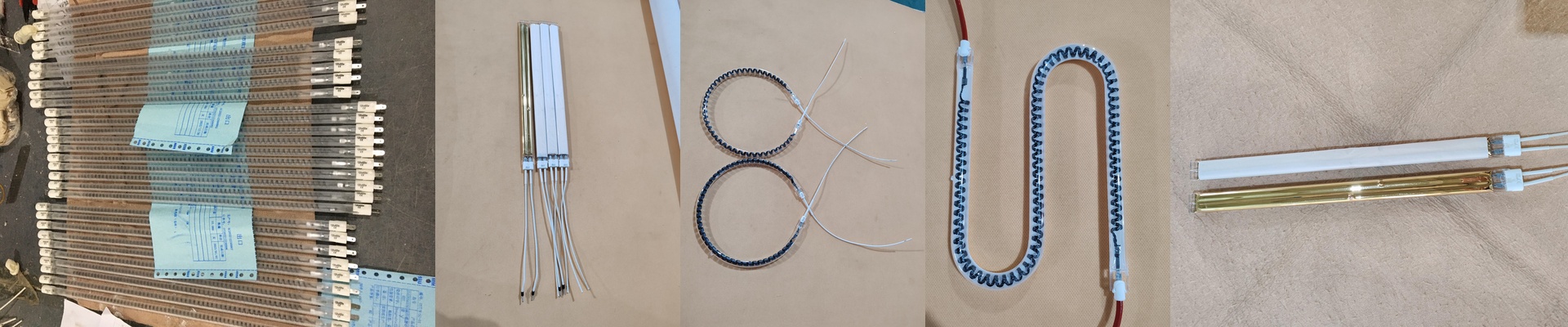
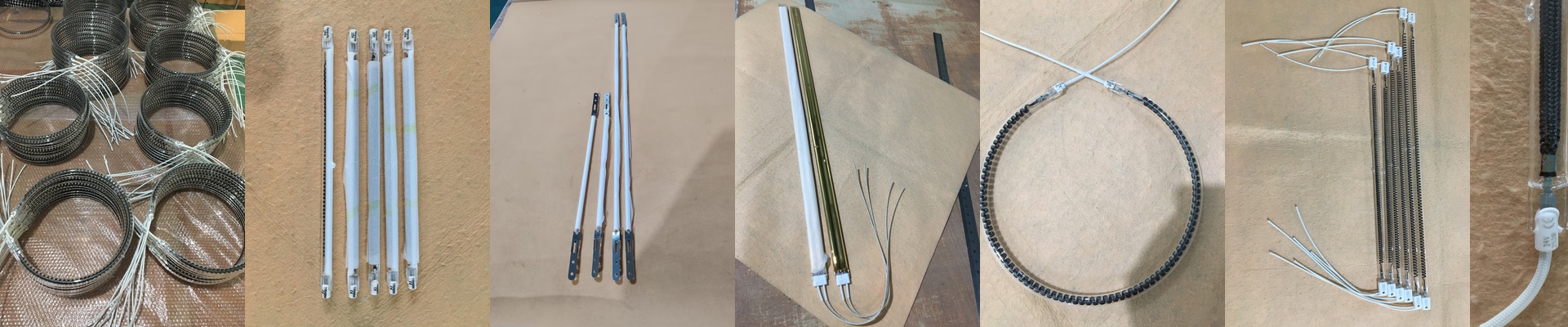
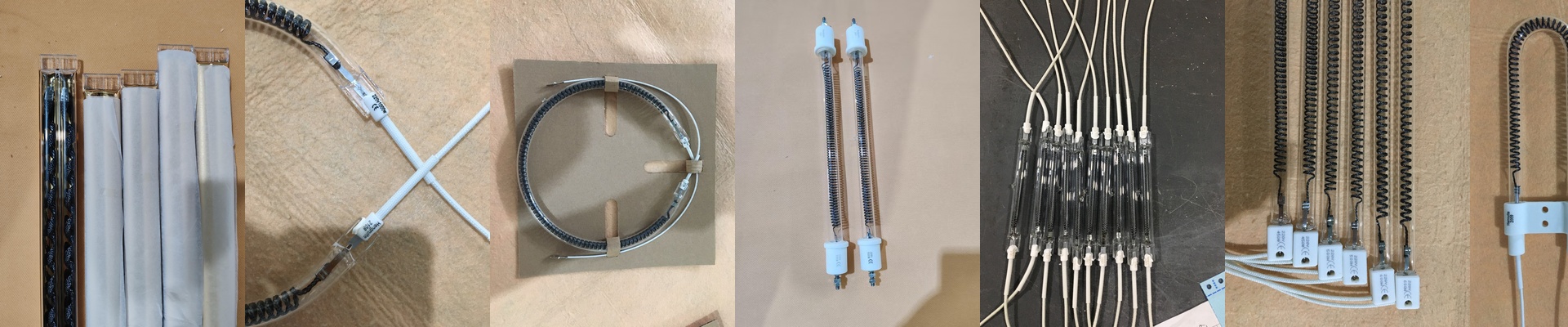
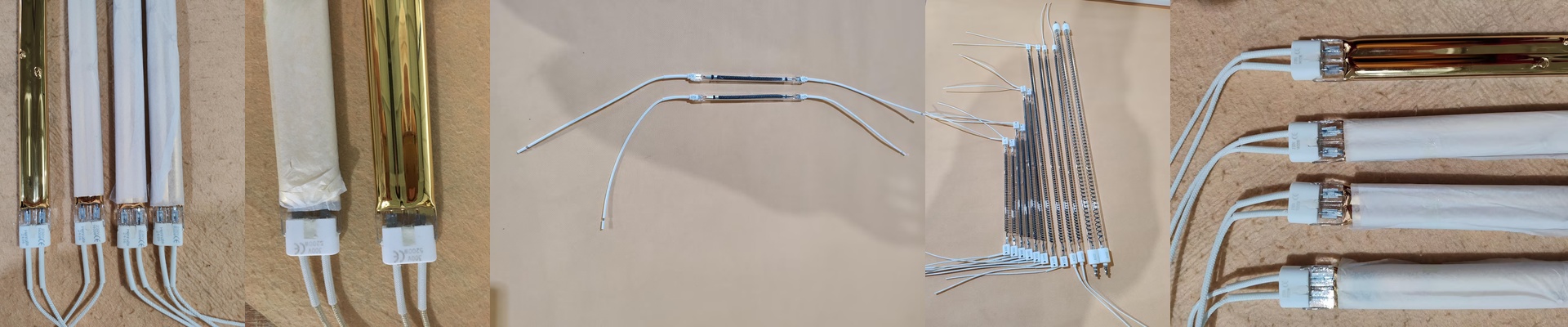
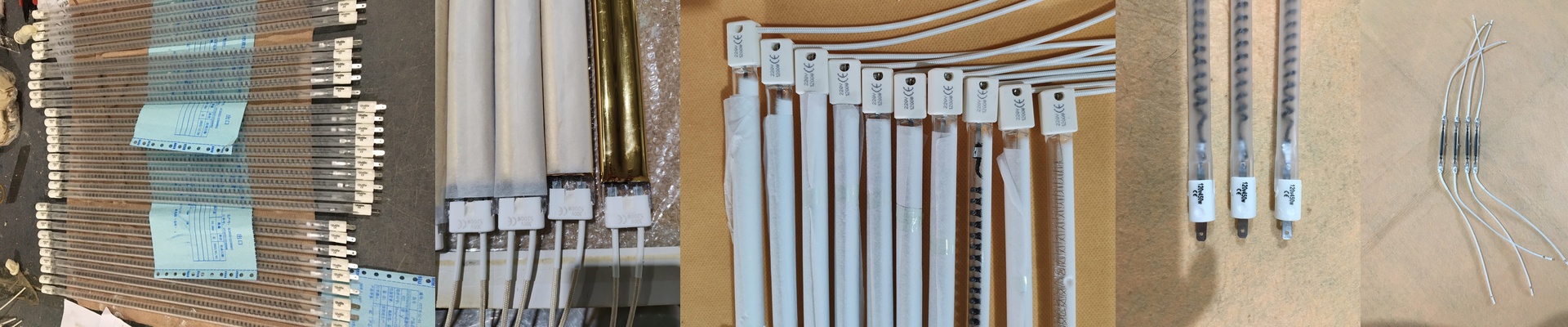
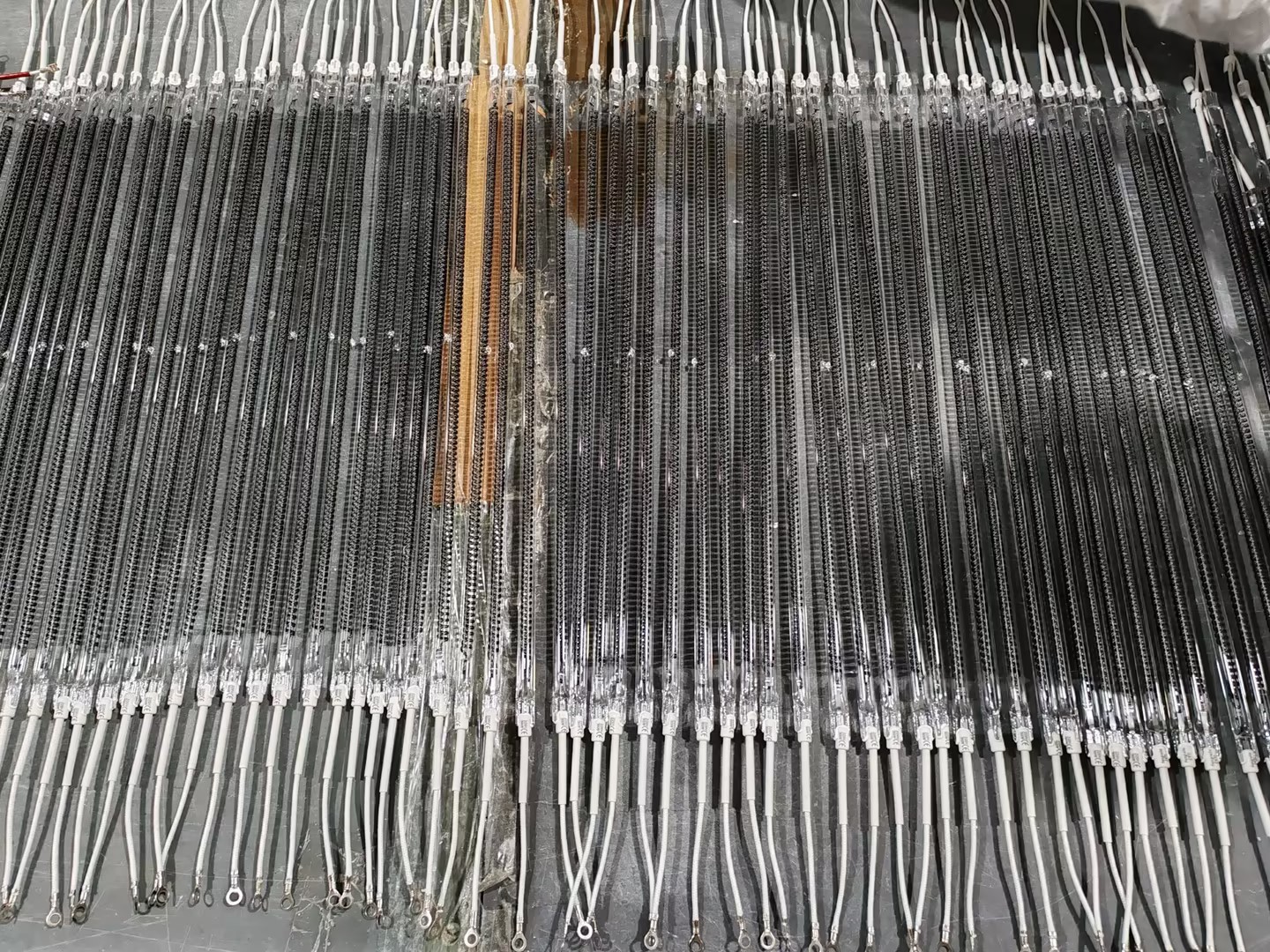
We make these long medium wave lamps by taking a carbon fiber heating element and sealing it inside a high-purity quartz glass tube. Most people are used to those old-school metal coil heaters. This is different. We run the current through a conductive carbon matrix, which pushes the heat into that “medium wave” range. Why does that matter? Because it actually sinks deep into organic materials and coatings. It doesn’t just sit on the surface like short-wave heat does. Why quartz and carbon? The quartz tube is there for two reasons: it keeps the carbon fiber from oxidizing (basically burning up) and it lets the IR radiation fly right through without getting trapped. But the real win is the heat distribution. Since we’re using carbon fiber, the heat is steady across the whole length of the tube. You won’t find those annoying “hot spots” you get with tungsten filaments. If you’re drying or curing something large, that’s a lifesaver. It means your parts won’t warp. A heads-up on power Since these lamps can get pretty long, you’ve got to keep an eye on your wattage per inch. A high-wattage tube puts out a massive amount of energy, but it’s going to pull hard on your power supply. If you go with high-density tubes, just make sure your wiring can handle the constant current. You don’t want your terminals overheating. Honestly, just use reinforced connectors. It’s a small detail, but it stops your contact points from burning out. The trade-offs If you’re doing paint drying or plastic forming, these usually slide right into your existing setup. They’re especially great for materials with a lot of oil or water in them. Here’s the catch, though: they aren’t instant. A short-wave halogen lamp hits peak temp in a blink. Carbon fiber takes a little more time to ramp up. But that’s actually the secret to why they work so well. You get a stable, deep “heat soak” that won’t scorch the surface of your work. You get the penetration you need without the fear of charring your project.