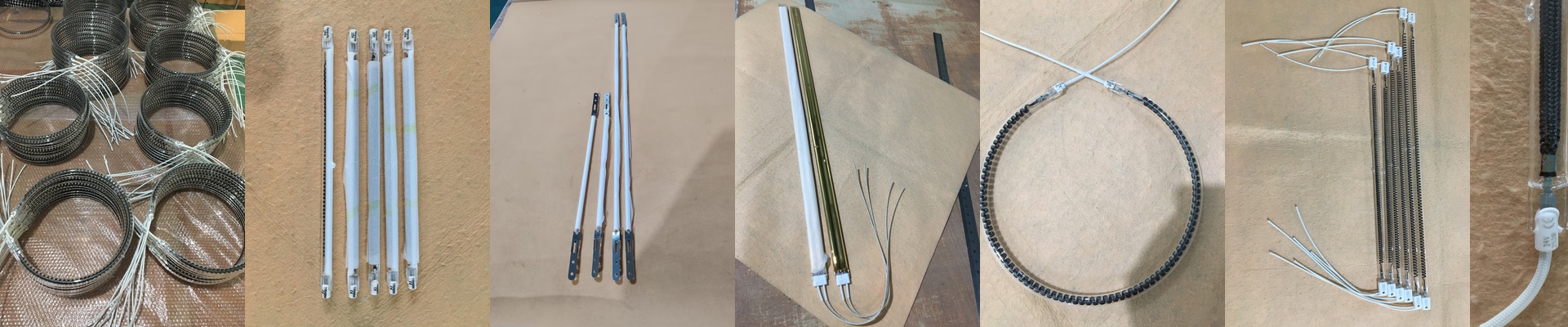
Getting Your Head Around Infrared Carbon Emitters
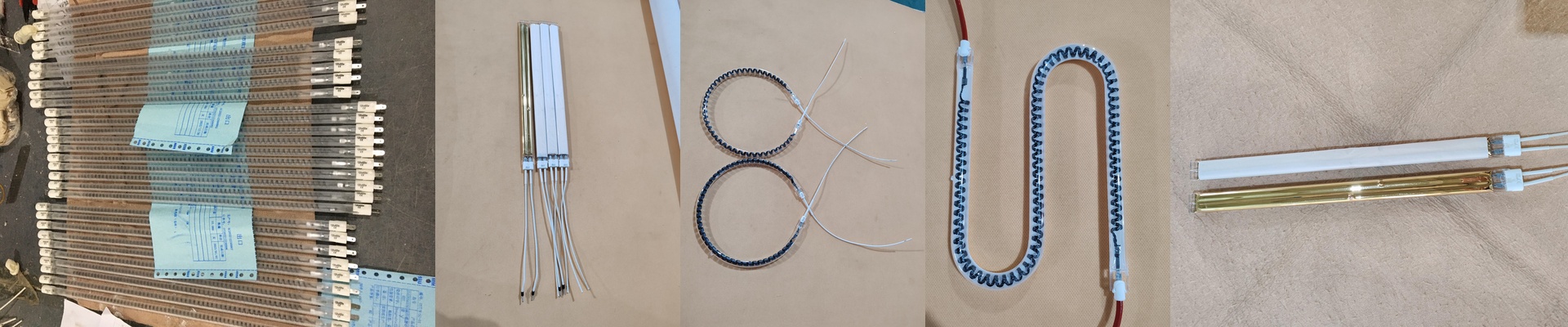
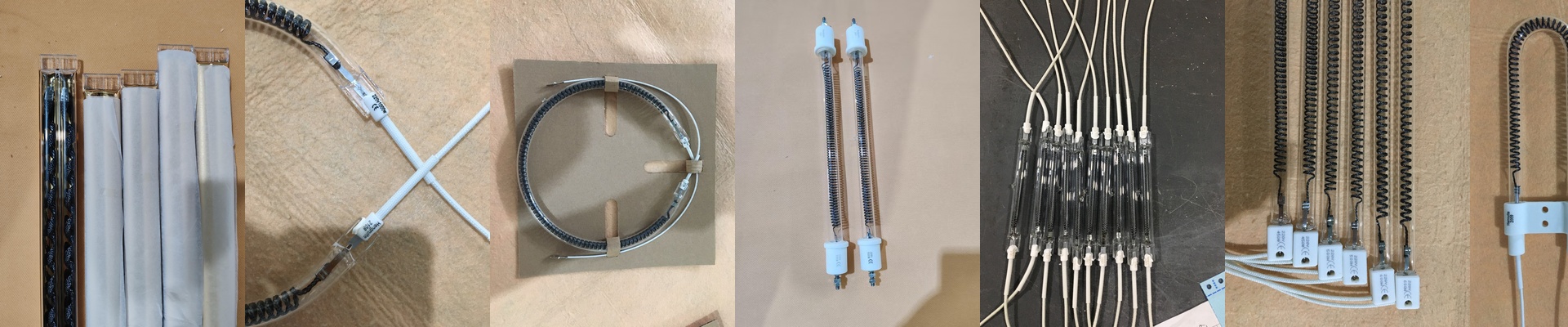
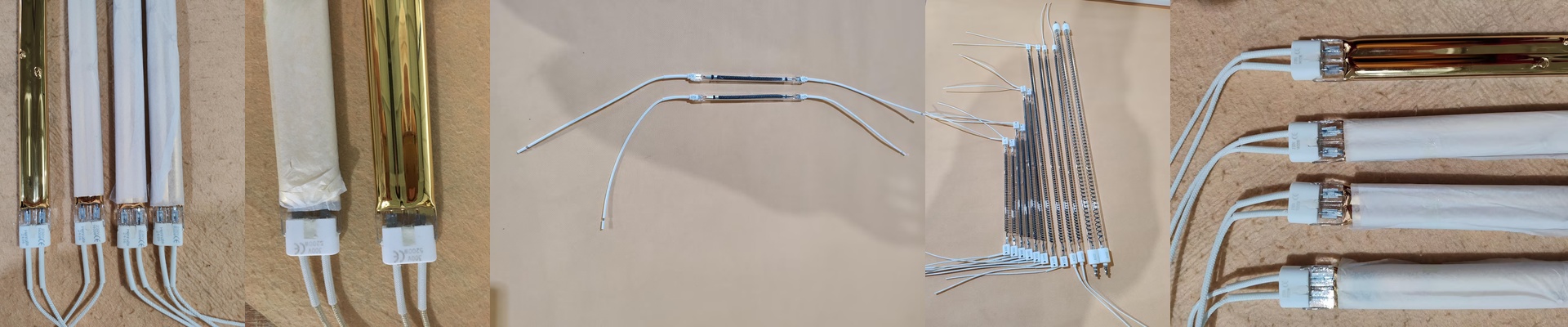
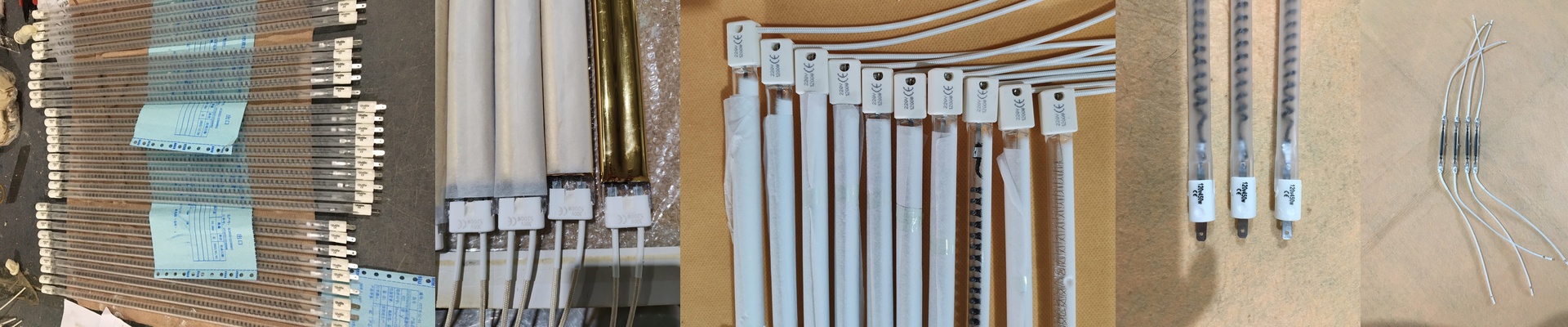
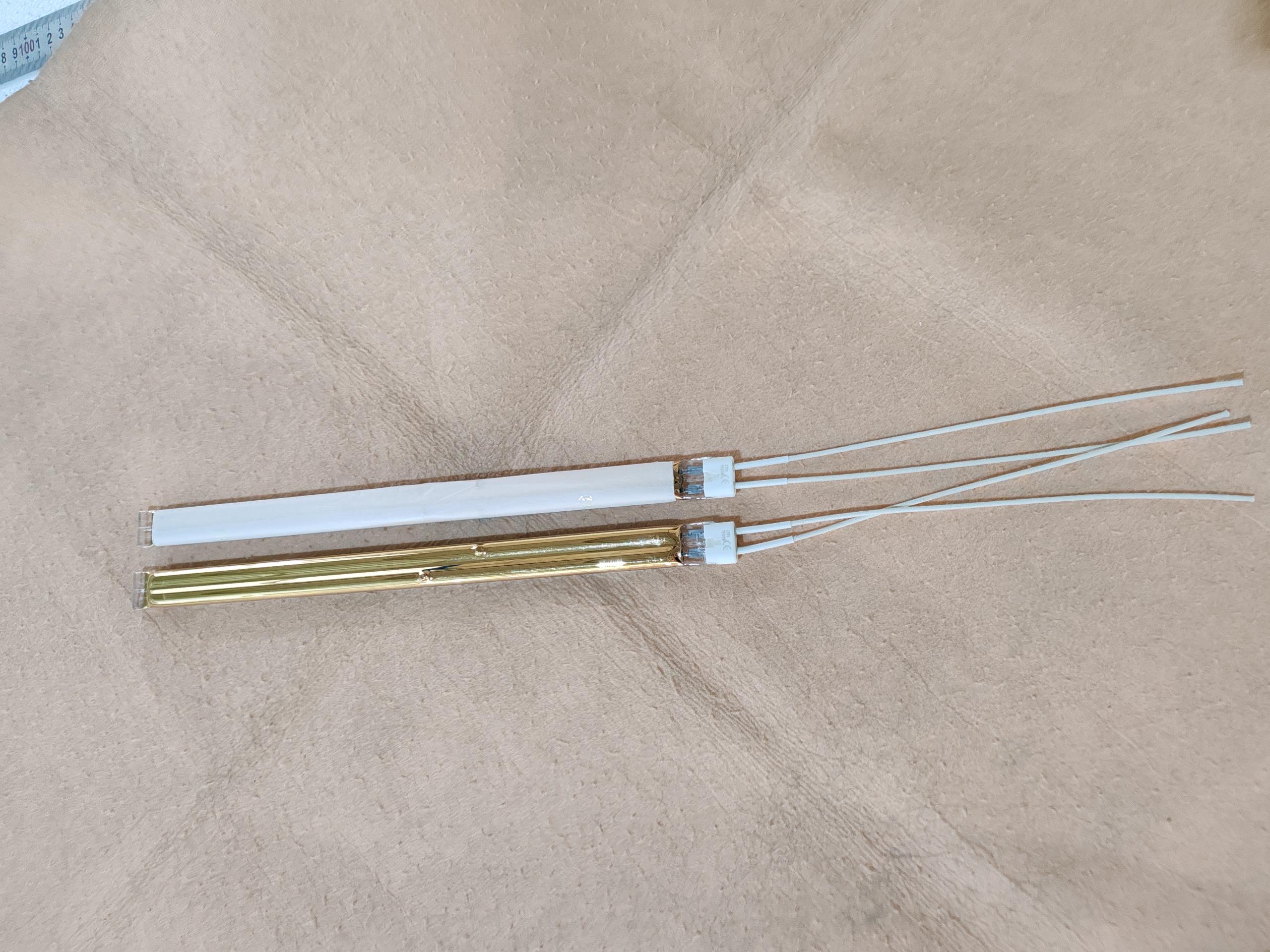
Let’s talk about carbon emitters. Basically, we’re talking about a carbon-fiber heating element tucked inside a quartz tube. The cool thing here is that they don’t behave like those old-school metal coils. Carbon filaments stay cooler but push out way more medium-to-long wave infrared radiation. It’s a huge advantage when you need the heat to actually sink deep into your material instead of just scorching the surface and leaving the inside cold. The Power Side of Things When we’re figuring out the specs, it all comes down to wattage per centimeter. If you go with a high-voltage setup, you can cram more power into a smaller space. That means fewer tubes to deal with in your heating bank, which keeps things clean. But here’s the catch: high-wattage tubes hit hard on the cold start. If your power supply isn’t ready for that initial spike, you’re going to have a bad time. Do yourself a favor and use SCR power controllers. It’s the best way to make sure you don’t fry your filaments the second you flip the switch. Build and Connection That quartz envelope isn’t just for show—it keeps the carbon from oxidizing and dying. Sometimes, we add a thin-film coating to the glass. Depending on what you need, this can either shift the heat spectrum or just stop chemical splashes from ruining the tube. As for the plugs, we stick with R7s or SK15 connectors. Why? Because they just work. If a lamp burns out, you can swap it in a couple of minutes without having to rip apart your wiring or rebuild the chassis. It’s a simple drop-in replacement. The Real-World Trade-offs You’ll see these things everywhere—PET blowing, curing paint, welding plastics. They ramp up to temperature way faster than ceramic heaters. It’s snappy. But, there’s a flip side. Quartz is glass, and glass breaks. If your shop floor is a high-vibration zone or people are tossing things around, youneedprotective guards. Otherwise, one bump and your element is trash. And one last tip: give your workpiece some breathing room. If the emitter is too close, you’ll overheat the substrate before you even know what happened.