How to Actually Shape Carbon Fiber Tubes
If you’ve ever tried to bend a carbon fiber tube, you know the struggle. It’s stubborn. To get it to move without ruining it, you have to play a careful game with the resin’s glass transition temperature—basically the “sweet spot” where the glue softens up but doesn’t actually melt. We use specific heating elements to get the epoxy just pliable enough to bend. Do it right, and you get a perfect curve. Do it wrong, and you’ve just made a very expensive piece of charcoal.
Getting the Heat Right
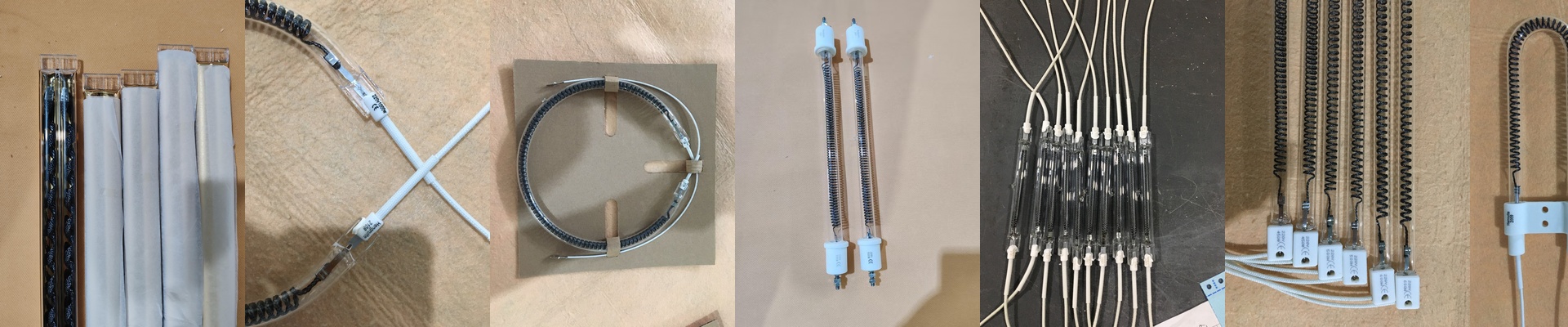
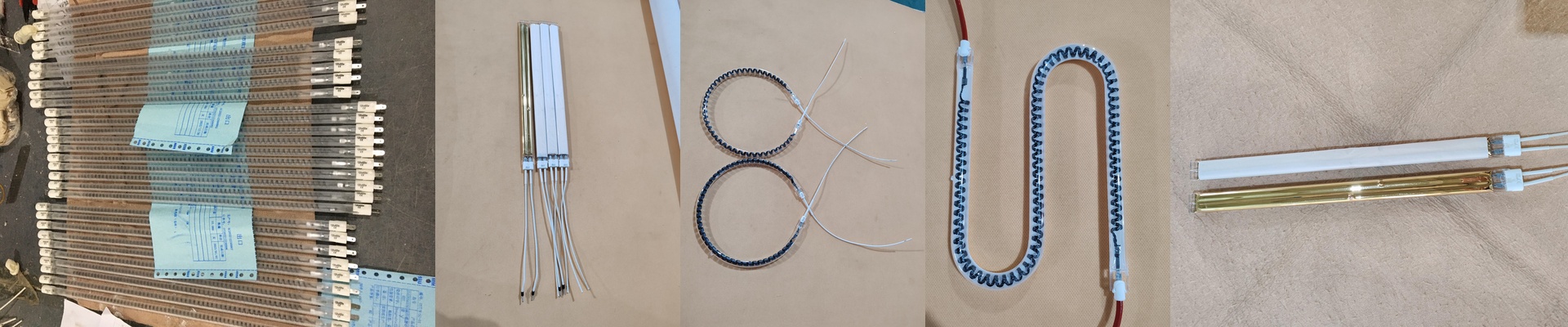
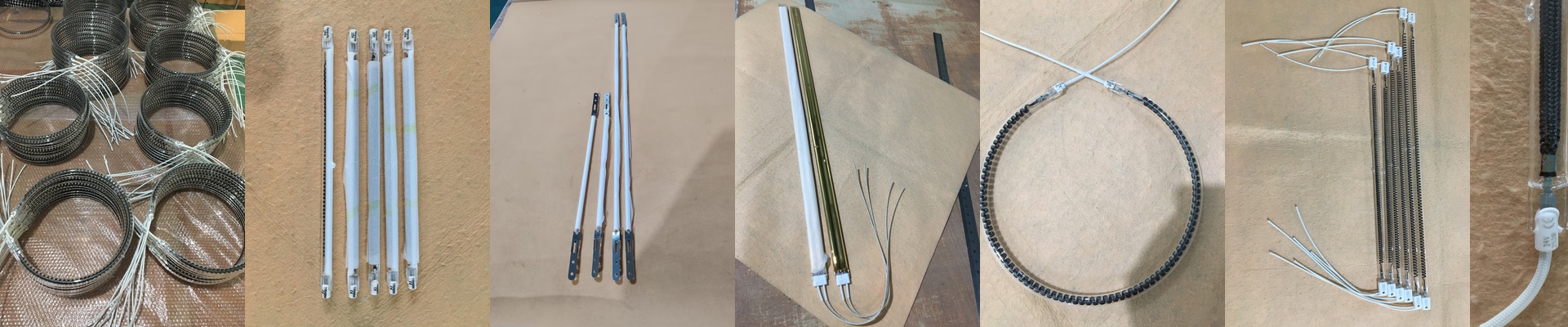
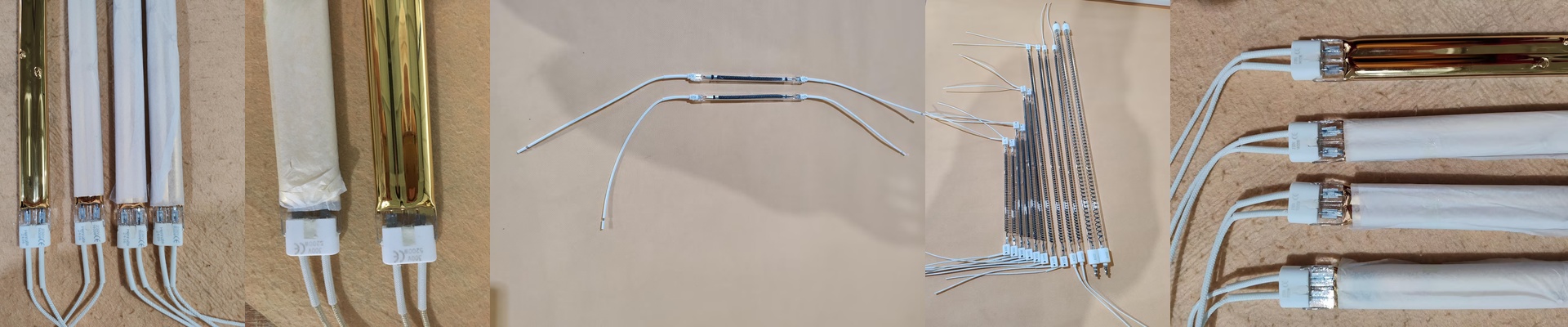
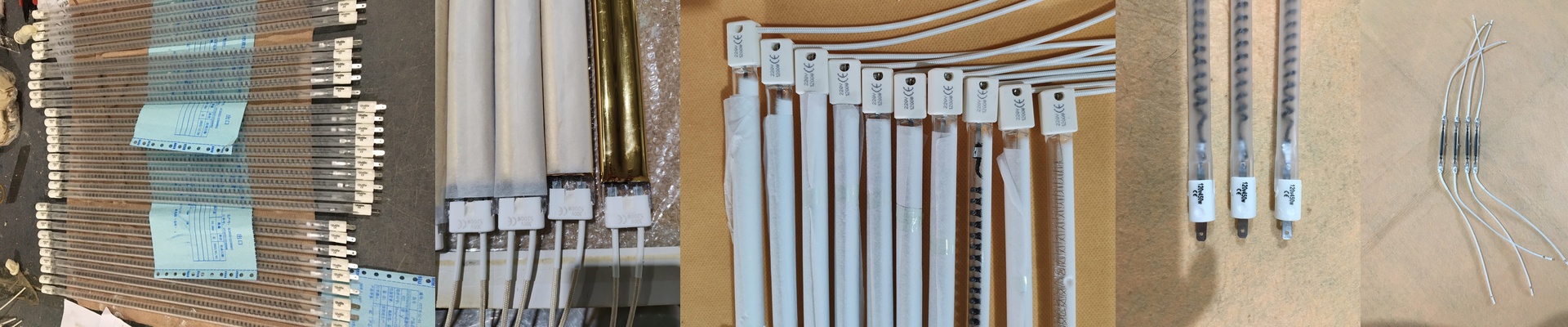
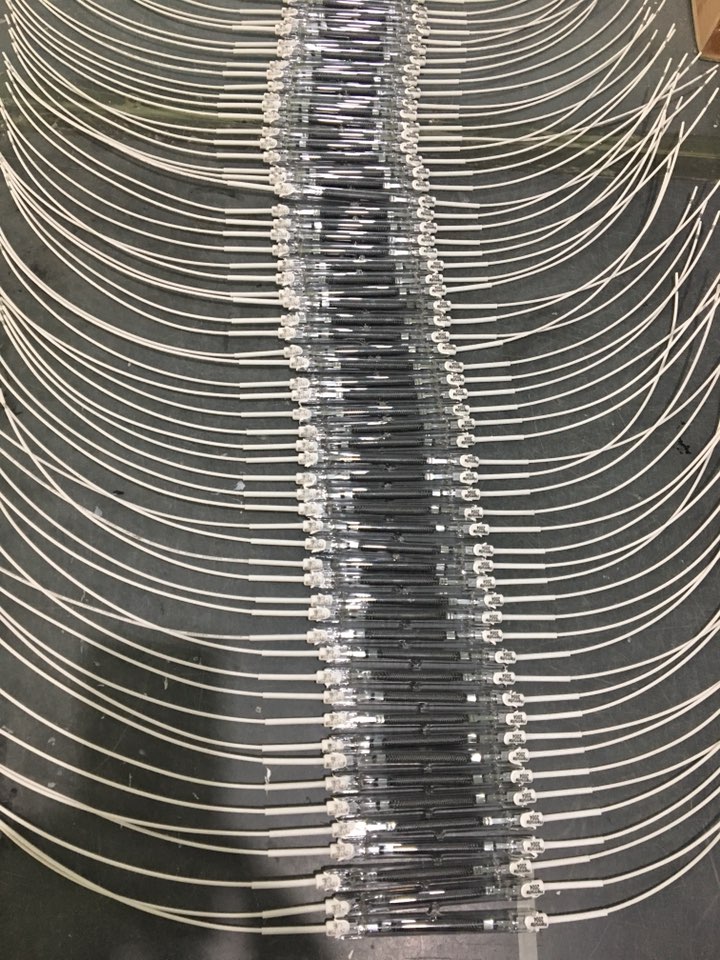
You can’t just wing it with a heat gun. You need energy that hits the tube fast and evenly. Depending on how thick your tube is, we usually go with infrared heaters or induction coils. But here’s the thing: if you’re using those high-wattage quartz lamps, watch your distance. If the lamp is too close, you’ll get “hot spots.” You’ll smell the resin off-gassing, and the part will end up brittle.**Keep your distance.**Calibrate that gap carefully so the heat wraps around the tube instead of scorching it.
The Gear You’ll Need
Carbon fiber conducts electricity, which means a standard oven is usually a bad idea. You want a clean bend, not a burnt mess. I always suggest using silicone-coated mandrels or heat-resistant jigs. Here is the trick: the tube has to stay hot—above that transition temperature—until it’s fully locked into the jig. The second it cools down, the shape freezes. If you let it cool too early, you’re starting over.
The Trade-off: Speed vs. Quality
It’s tempting to crank up the heat to save time. Don’t. If you ramp up too fast, the outside of the tube softens while the core stays rigid. This creates internal stress that can lead to delamination—basically, the layers start peeling apart inside where you can’t see them. If you’re working with thicker walls, you have to be patient. Give it a slower “soak” time so the heat actually reaches the center. I’d recommend wiring your controllers for precise PID loops. It stops the temperature from overshooting and saves you from wasting material.